















Worms Frozen for 42,000 Years in Siberian Permafrost Wriggle to Life

Did you ever wake up from a long nap feeling a little disoriented, not quite knowing where you were? Now, imagine getting a wake-up call after being "asleep" for 42,000 years.
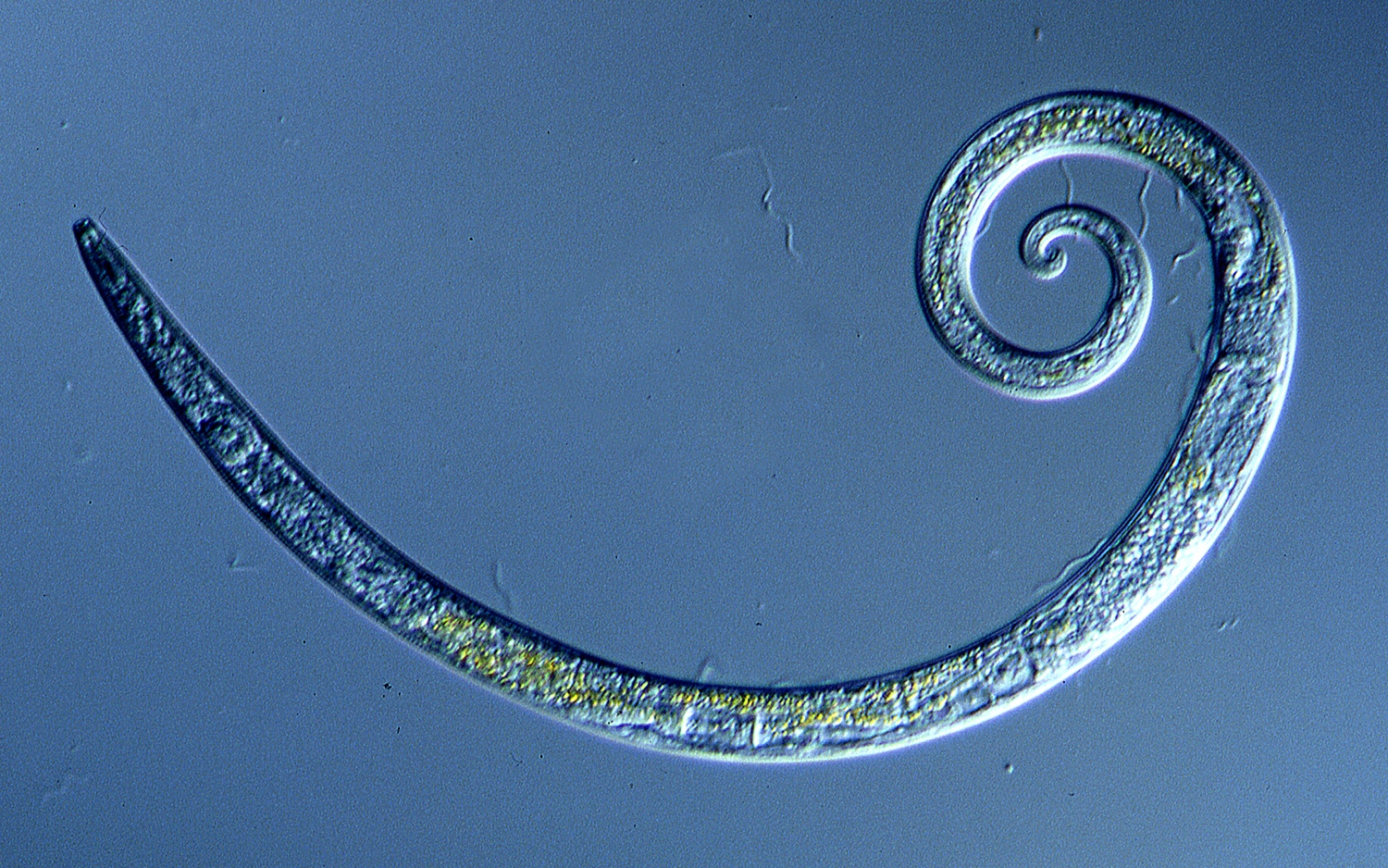
In Siberia, melting permafrost is releasing nematodes — microscopic worms that live in soil — that have been suspended in a deep freeze since the Pleistocene. Despite being frozen for tens of thousands of years, two species of these worms were successfully revived, scientists recently reported in a new study.
Their findings, published in the May 2018 issue of the journal Doklady Biological Sciences, represent the first evidence of multicellular organisms returning to life after a long-term slumber in Arctic permafrost, the researchers wrote. [Weird Wildlife: The Real Animals of Antarctica]
Though nematodes are tiny — typically measuring about 1 millimeter in length — they are known to possess impressive abilities. Some are found living 0.8 miles (1.3 kilometers) below Earth's surface, deeper than any other multicellular animal. Certain worms that live on an island in the Indian Ocean can develop one of five different mouths, depending on what type of food is available. Others are adapted to thrive inside slug intestines and travel on slimy highways of slug poop.
For the new study, researchers analyzed 300 samples of Arctic permafrost deposits and found two that held several well-preserved nematodes. One sample was collected from a fossil squirrel burrow near the Alazeya River in the northeastern part of Yakutia, Russia, from deposits estimated to be about 32,000 years old. The other permafrost sample came from the Kolyma River in northeastern Siberia, and the age of nearby deposits was around 42,000 years old, the scientists reported.
They isolated the worms — all females — from the permafrost samples, finding they represented two known nematode species: Panagrolaimus detritophagus and Plectus parvus. After defrosting the worms, the researchers saw them moving and eating, making this the first evidence of "natural cryopreservation" of multicellular animals, according to the study.
However, the nematodes weren't the first organism to awaken from millennia in icy suspension. Previously, another group of scientists had identified a giant virus that was resuscitated after spending 30,000 years frozen in Siberian permafrost. (Don't panic; amoebas are the only animal affected by this ancient attacker.)
Get the world’s most fascinating discoveries delivered straight to your inbox.
Further study will be needed to unravel the mechanisms in the ancient nematodes that enabled them to survive such lengthy freezing; pinpointing how those adaptations work could have implications in many scientific areas, "such as cryomedicine, cryobiology, and astrobiology," the researchers concluded.
Original article on Live Science.

Mindy Weisberger is a science journalist and author of "Rise of the Zombie Bugs: The Surprising Science of Parasitic Mind-Control" (Hopkins Press). She formerly edited for Scholastic and was a channel editor and senior writer for Live Science. She has reported on general science, covering climate change, paleontology, biology and space. Mindy studied film at Columbia University; prior to LS, she produced, wrote and directed media for the American Museum of Natural History in NYC. Her videos about dinosaurs, astrophysics, biodiversity and evolution appear in museums and science centers worldwide, earning awards such as the CINE Golden Eagle and the Communicator Award of Excellence. Her writing has also appeared in Scientific American, The Washington Post, How It Works Magazine and CNN.