













WWII Shipwrecks Sought in 'Graveyard of the Atlantic'

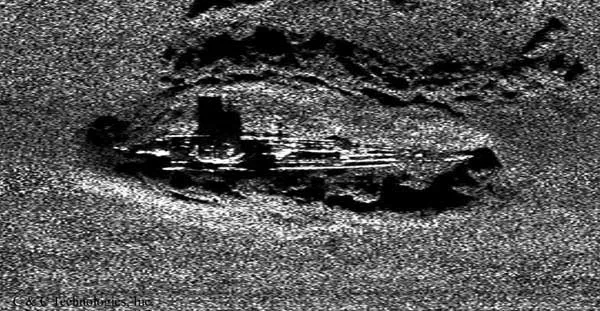
Researchers are on a three-week research expedition to study World War II shipwrecks sunk in 1942 in what's called the "Graveyard of the Atlantic."
The region off North Carolina is home to includes vessels from U.S. and British naval fleets, merchant ships and German U-boats, all sunk during the Battle of the Atlantic.
"The information collected during this expedition will help us better understand and document this often lost chapter of America's maritime history and its significance to the nation," said David W. Alberg, expedition leader and superintendent of the USS Monitor National Marine Sanctuary. "It continues the work conducted by NOAA's Office of National Marine Sanctuaries last summer to research and document historically significant shipwrecks tragically lost during World War II."
The expedition, which began last week and runs through Aug. 24, will also help document the condition of these vessels some 67 years after they were lost. Understanding the wrecks' current condition is a crucial first step in establishing efforts to preserve these historic sites, which serve as "time capsules from one of the darkest times in the nation's history," Alberg said.
Many of the wrecks, some lying as shallow as 130 feet, are popular recreational dive sites. Some have been severely affected by human activity, according to a NOAA statement.
Aboard the NOAA Ship Nancy Foster, scientists will use remote sensing technologies, including sidescan and multibeam sonar systems, in an attempt to locate several previously undiscovered WWII shipwrecks. NOAA and its expedition partners from the University of North Carolina will also deploy an advanced remotely operated vehicle to take high-definition imagery of these shipwrecks.
Then divers will survey and photograph visible sections of a British armed trawler, HMT Bedfordshire, using non-invasive methods. Bedfordshire was sunk by a torpedo fired from the German submarine U-558 on May 12, 1942, resulting in the loss of the entire crew. The survey team will also study marine life found at the site which now serves as a vibrant artificial reef. Consistent with U.S. and international policy, the shipwreck site is considered a war grave and will not be disturbed during the expedition.
Get the world’s most fascinating discoveries delivered straight to your inbox.
- Gallery: WWII Aircraft
- Parachuting Dog Helped Win WWII
- How 'Kilroy Was Here' Changed the World
