













Deadly Cane Toad Is Marsupial's Last Supper

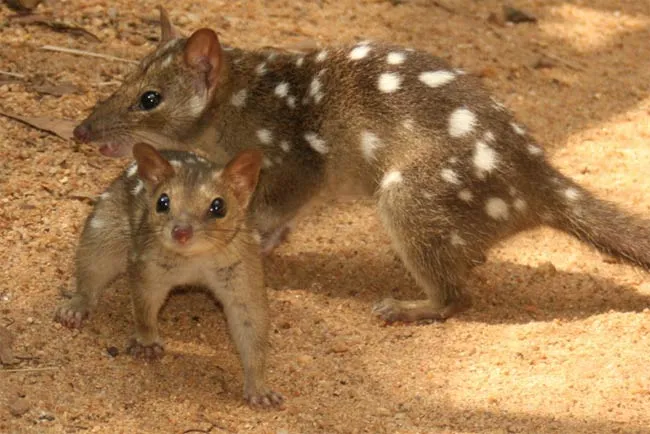
A cat-sized marsupial called a quoll has a habit of feasting on toxic cane toads. The noxious nibbling ends in more than a tummy ache – it actually kills the quoll. Now, scientists have trained the creatures to turn their noses up at the once tempting meals.
While animals tend to have plenty of street smarts, avoiding that which will make them sick, the northern quolls (Dasyurus hallucatus) don't have a chance to pass on their cane-toad knowledge. Once they eat a cane toad, they are dead. The result has led the animal to extinction in many parts of its habitat in northern Australia.
Cane toads were introduced from Hawaii to Australia in 1935, in an effort to control scarab beetles that were pests of sugar cane, according to the Australian Museum. These invasive species are continuing to spread, and scientists predict they will soon invade the Kimberley, one of the quoll's last strongholds.
The results of the new study, detailed today in the Journal of Applied Ecology, could help with quoll conservation.
Back to school
The researchers used "conditioned taste aversion" to turn the quolls anti-toad.
Working with the Territory Wildlife Park captive breeding and reintroduction program, the researchers took a group of 62 young quolls and taught half of them to associate eating a cane toad with feeling sick.
Get the world’s most fascinating discoveries delivered straight to your inbox.
A few days before the quolls were reintroduced to the wild, members of the anti-toad group were fed a small dead cane toad laced with nausea-inducing thiabendazole. The cane toad, which weighed less than 2 grams, was not large enough to kill the quoll but the chemical made them feel sick.
To test whether the taste aversion process worked, both groups of quolls were given a small, live cane toad in plastic container to see whether or not they attacked it. The researchers recorded the behaviors using a hidden camera before fitting each quoll with a radio collar and releasing them into the wild.
Quoll survival
The team found that the nausea chemical made the quolls less likely to attack the toad in the plastic container and once released into the wild, the anti-toad quolls survived up to five times longer than those not trained to avoid cane toads.
"Our results show that this kind of approach works. If you can teach a predator that cane toads make you sick, then that predator will leave them alone afterwards," said study researcher Jonathan Webb of the University of Sydney. "As a result, animals like quolls can survive in the wild even in a toad-infested landscape."
Next, the team hopes to expand their quoll training.
"The next challenge is to see if we can scale up our results to really make a difference to wild populations of endangered predators like quolls, goannas and bluetongue lizards," said study researcher Rick Shine of the University of Sydney. "First, we have to check that the aversion we create to cane toads is long-lasting. If it is, the next step is to refine our delivery methods – for example, perhaps wildlife agencies could aerially deploy 'toad baits' ahead of the cane toad invasion front to educate quolls to avoid attacking cane toads before the toads invade."
- Top 10 Deadliest Animals
- 7 Terrific Toad Survival Tactics
- Amazing Animal Abilities
