
 Live Science Plus



Viagra Is a Miracle Drug, For Premature Babies (Op-Ed)
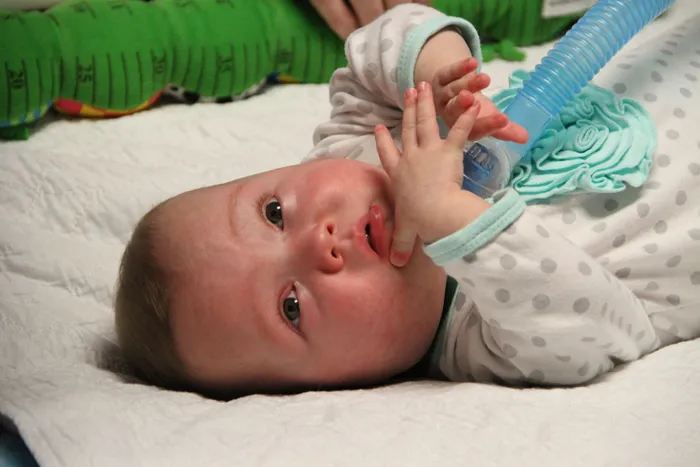
Dr. Edward Shepherd, section chief of neonatology at Nationwide Children's Hospital, contributed this article to Live Science's Expert Voices: Op-Ed & Insights.
Jennifer Tackett was careful to not drink caffeine while she was pregnant, so you can imagine how surprised she was when our team at Nationwide Children's Hospital told her we were going to give the equivalent of a cup of coffee to her premature daughter Autymn.
Autymn was born 11 weeks early and weighed less than a pound. Many people might think caffeine is the last thing a premature baby would need, but caffeine can actually help the lives of babies born prematurely. In fact, it is one of the more common therapies used in preemies because we think it helps stimulate the diaphragm and lungs, and most importantly, it stimulates the brain to remind the baby to breathe.
One in eight babies in the United States is born prematurely , which is defined as before the 37th week of pregnancy. Treating tiny babies usually takes teams of specialists, and innovative approaches. The reality is, there are not many medications made specifically for preemies, so we adapt a variety of medicines from the pediatric and adult worlds and use them in our Newborn Intensive and Special Care Unit.

Caffeine is one example. Another adult drug we use to help premature babies that is surprising to most people is called sildenafil, which is more commonly known as Viagra. It turns out that the intended use for adults is very different than the intended use for babies. One of the big complications that babies can experience is called pulmonary hypertension, which occurs when it's too hard for the heart to pump blood through their lungs. Sildenafil works in a way to relax the lungs so that the heart does not have to work so hard.

We have also used other adult medications to control blood pressure and even heart failure, and modified them for use in preemies. These therapies may sound unconventional, but they are proven to work. It is important to have these tools available because there are more than 450,000 babies born prematurely each year in the United States, and the numbers continue to climb. In the last generation alone, the number of premature births has risen by more than 35 percent.
Many people are surprised by the therapies that can make a dramatic difference in the lives of these babies. But as neonatologists, we are always looking for the best solutions for patients and their families. We dedicate ourselves not only to treating, but ultimately preventing, all complications of prematurity so that our small babies can have big opportunities in their futures.
Follow all of the Expert Voices issues and debates — and become part of the discussion — on Facebook, Twitter and Google+. The views expressed are those of the author and do not necessarily reflect the views of the publisher. This version of the article was originally published on Live Science.