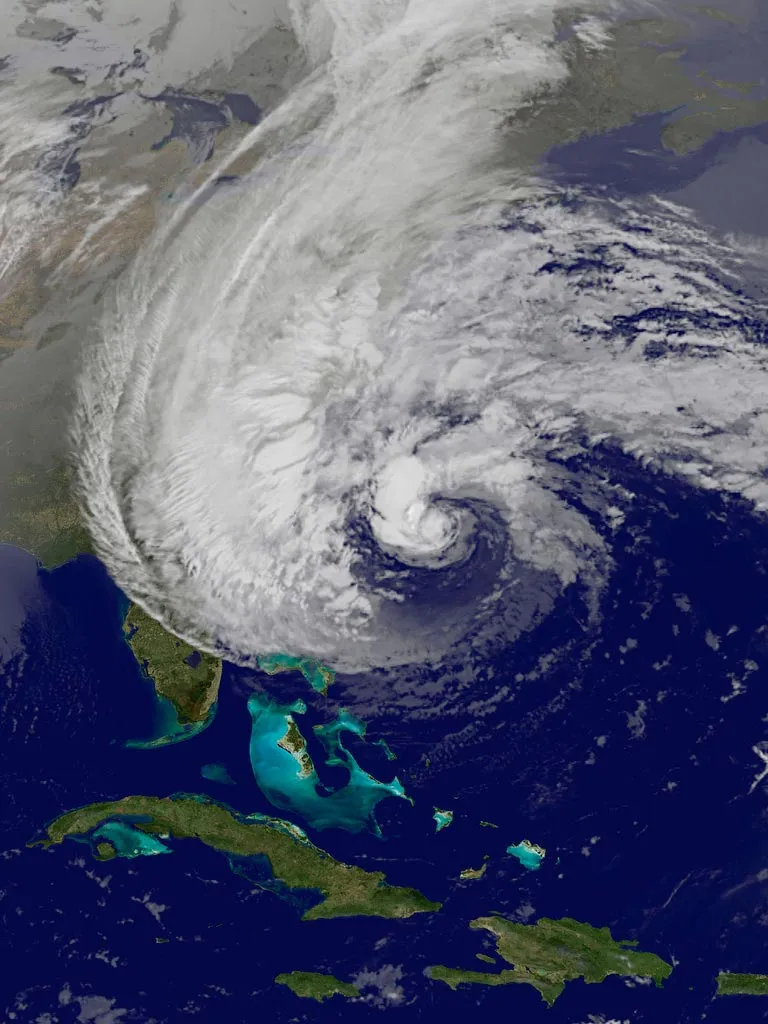
Thinking back over the days leading up to the arrival of Sandy, there were indications that this storm would be one for the ages. It wasn’t just a hunch or a doomsday mood that made the threat from Sandy seem more real, it was the way it was presented by the meteorologists.
What was it about Sandy that made even the most stoic weather professionals seem anxious? Why was this storm so different from the beginning? As it turns out, it wasn’t just one thing. A combination of factors came together over the past week, and each one added to the legend of Sandy far in advance of it actually hitting the coast.
Storm Tracker: Follow Sandy's Long Good-bye
Latest Videos From
It’s worth noting that today’s meteorologists have access to literally dozens of forecast models to help them predict the movement, strength and timing of storms. In fact, one of the big challenges is in deciding which models to trust.
Some models are good at forecasting tropical storms, while others do a better job predicting winter storms and nor’easters. So, imagine the anxious moments when many models began predicting a late-season hurricane moving off the East Coast while an early-season nor’easter was taking shape. Then think of the nervous excitement when the meteorologists realized that most of the models were in agreement, predicting the extremely rare scenario of the hurricane being absorbed into the nor’easter.
To make matters worse, many of the models called for this rarest of storms to do the unthinkable. From early on, the majority of the forecasts predicted Sandy would make a hard left turn into the coast somewhere between D.C. and Boston! The truth is, storms just don’t do that. Sure, hurricanes and nor’easters can hit that region, but they usually skirt the coast or deliver a glancing blow on their way out to sea. Storms of that size and strength don’t make left turns that far north -- ever.
PHOTOS: Sandy's Path of Destruction
You might think that having all of the forecast models in agreement on the formation and track of this superstorm would bring confidence and calm to those asked to present the weather. You might also think that TV meteorologists love the opportunity to hype up an event like this many days in advance.
But, contrary to popular belief, the good meteorologists are not interested in hype. They are real people focused first and foremost on delivering accurate forecasts to protect their viewers. In this case, they knew that predicting an unprecedented event is ultimately a no-win situation. After all, if they are right, very bad things are going to happen to people all over their viewing area. If they are wrong, they risk losing the all-important trust of their viewers.
If you think about it, meteorologists are some of the most versatile performers on television. One day they’re called upon to make the monotony of a drought seem interesting and the next they are asked to calmly deliver life-saving information to millions of skeptical viewers. It’s a tough job, and the best of the best have found a way to convey just the right amount of emotion for each situation. It takes talent, and if you’ve never noticed, that means your TV meteorologist is probably really good at it!
Ultimately, we know what happened. Sandy will certainly be remembered as a storm for the ages. As this devastating weather event winds down, and the massive clean-up and recovery efforts continue, we can also remember that things could have been even worse if not for the accurate forecasts and warnings that were so effectively delivered to us all.
Todd Richards is a meteorologist who currently works for Discovery Communications.
This story was provided by Discovery News.