

-
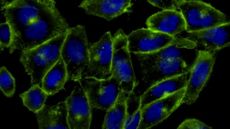 Science history: Scientists use 'click chemistry' to watch molecules in living organisms — Oct. 23, 2007
Carolyn Bertozzi and colleagues laid out a way to make paradigm-shifting "click-chemistry" compatible with living cells, opening up a window into living organisms.
chemistry -
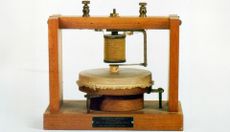 Science history: First two-way phone call across outdoor lines made by Alexander Graham Bell — Oct. 9, 1876
Science history On Oct. 9, 1876, Alexander Graham Bell made a telephone call to his assistant a few miles away — the first demonstration of what would ultimately become a global telephone network.
Science history -
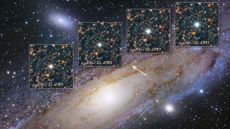 Science history: Edwin Hubble uncovers the vastness of the universe with discovery of 'standard candle' — Oct. 5, 1923
Science history On the night of Oct. 5, 1923, Edwin Hubble observed a strange star that flickered in intensity at regular intervals. The star, dubbed M31-V1, was key to showing that the universe extended far beyond the borders of the Milky Way.
Science history -
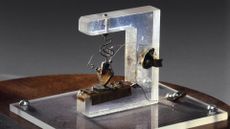 Science history: Invention of the transistor ushers in the computing era — Oct. 3, 1950
On Oct. 3, 1950, three Bell Labs scientists received a patent for a "three-electrode circuit element" that would usher in the transistor age and the era of modern computing.
3 Commentscomputing -
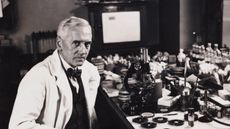 Alexander Fleming wakes up to funny mold in his petri dish, and accidentally discovers the first antibiotic — Sept. 28, 1928
Science history Alexander Fleming was doing experiments with bacteria when he woke up to a strange mold growing in his petri dish. The "mold juice" would usher in the first antibiotic, penicillin, and would revolutionize medical care for bacterial infections.
11 CommentsScience history -
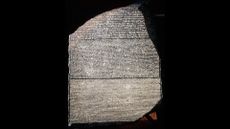 Science history: Rosetta stone is deciphered, opening a window into ancient Egyptian civilization — Sept. 27, 1822
On Sept. 27, 1822, French philologist Jean-François Champollion announced that he had deciphered ancient Egyptian hieroglyphics, using the Rosetta stone. This ushered in a new craze for Egyptology and helped us understand one of the world's longest-running civilizations.
archaeology -
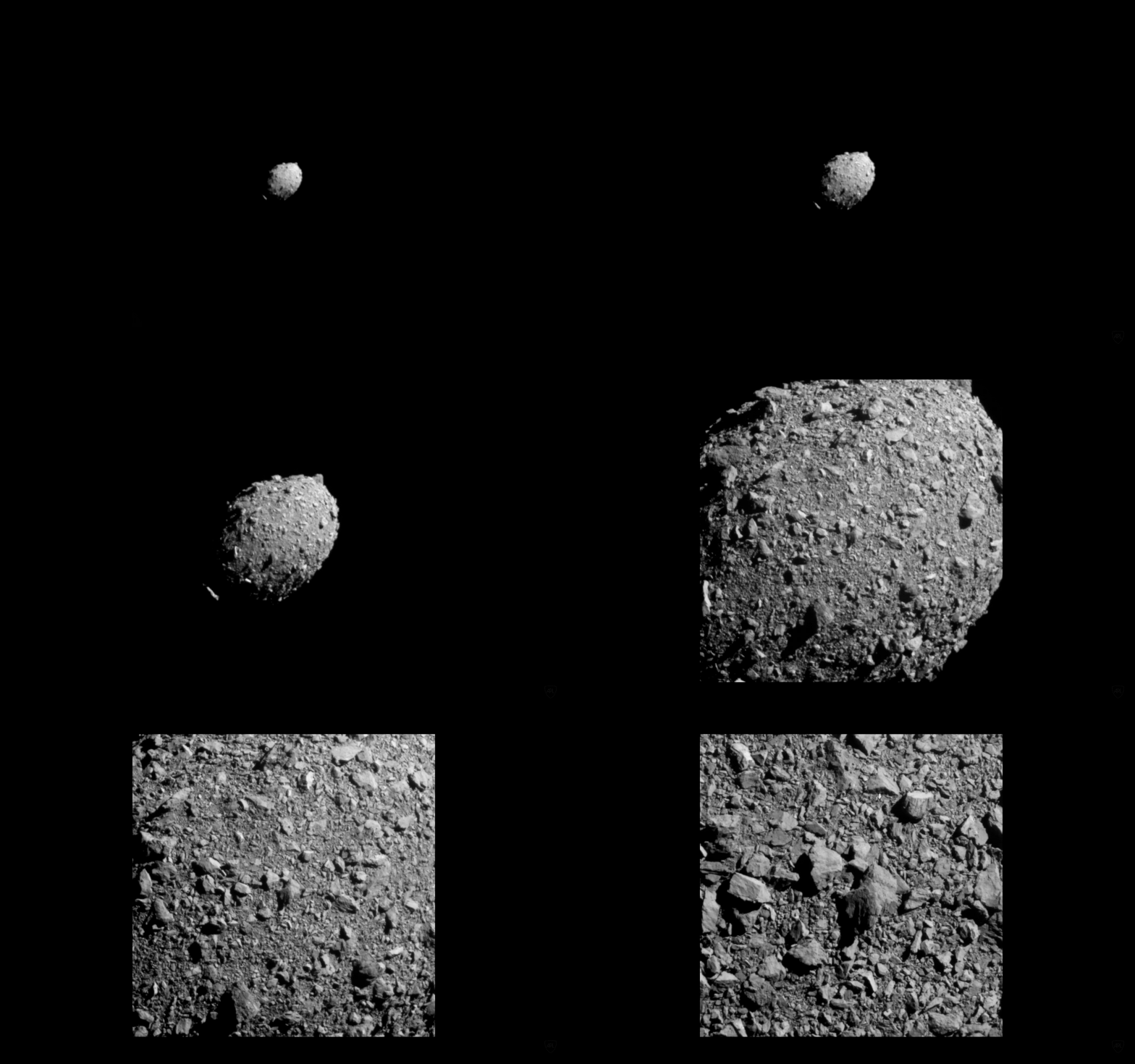 Science history: DART, humanity’s first-ever asteroid deflection mission, punches a space rock in the face — Sept. 26, 2022
On Sept. 26, 2022, NASA's Double Asteroid Redirection Test craft smashed into its target, the hazardous asteroid Dimorphos, and raised hopes that a space rock could be deflected from a collision course with Earth.
asteroids -
 A tragic gene therapy death that stalled the field for a decade — Sept. 17, 1999
Sept. 17, 1999: Jesse Gelsinger died after receiving a gene therapy treatment to treat a liver disease. The death sparked an investigation and caution around gene therapy, which ultimately stalled the field for years.
genetics -
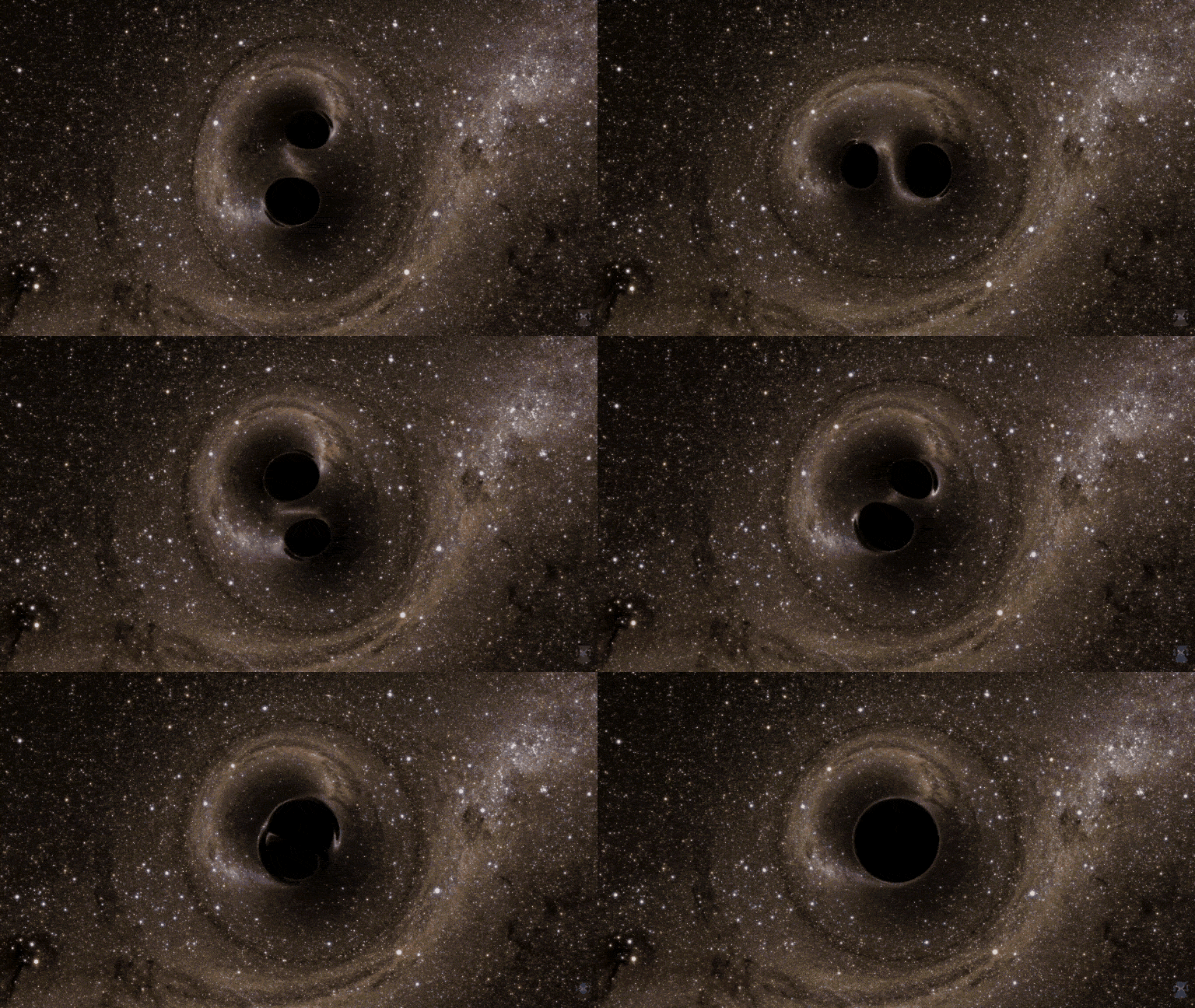 Science history: Gravitational waves detected, proving Einstein right — Sept. 14, 2015
When LIGO detected gravitational waves unleashed from two colliding black holes for the first time in science history, it set off a whole new era in astronomy.
7 Commentsblack-holes


