

-
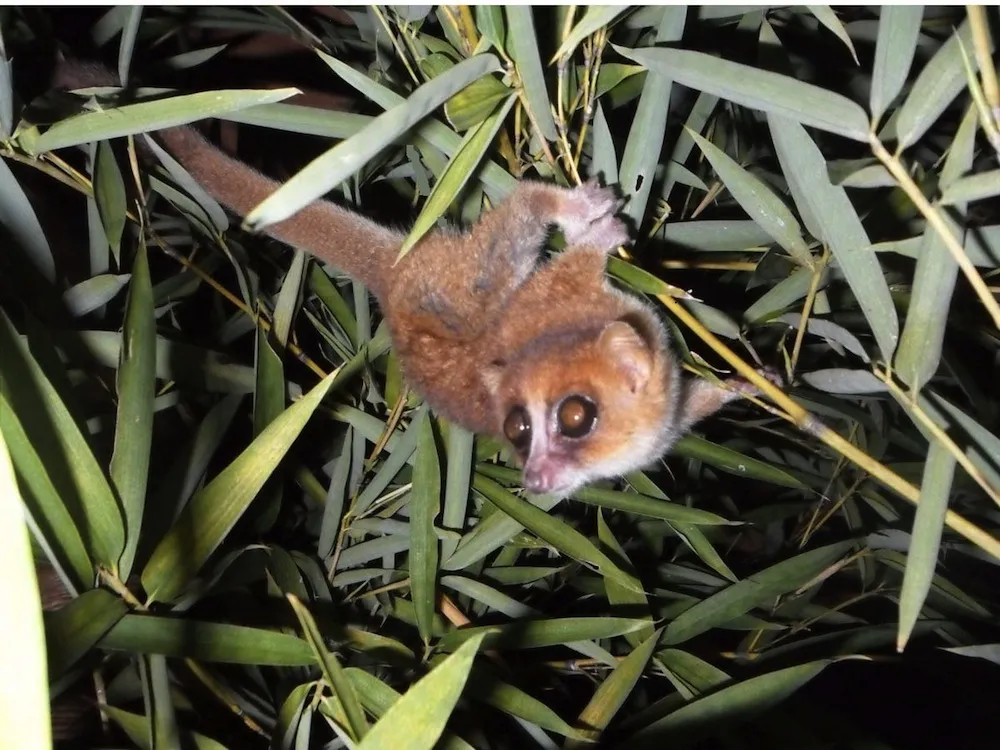
 Photos: 100-Million-Year-Old Tanzania Titanosaur Had Heart-Shaped Tail Bones
Talk about romantic! This teenage titanosaur had heart-shaped tail bones.
dinosaurs -
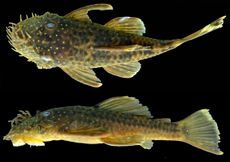 These Newfound Catfish Species Are Either the Ugliest Fish Ever or Super Adorable
With tentacle-covered snouts, claw-like spines that protrude from their heads and bodies covered in armor, these newfound catfish look more myth than reality.
fish -
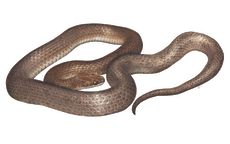 'Mystery Dinner Snake' Found in Belly of Another Snake Finally Identified
A snake pulled from inside another snake's stomach was a species unknown to science.
snakes -
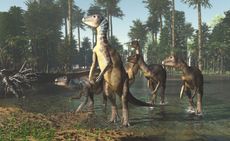 Opal-Filled Fossils Reveal Timid, Dog-Size Dinosaur That Lived Down Under
When Mike Poben, an opal buyer and and fossil fanatic, bought a bucket of opal from an Australian mine, he was surprised to find to find what looked like an ancient tooth in the pile.
extinct-species -
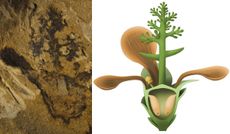 World’s Oldest Flower Unfurled Its Petals More Than 174 Million Years Ago
Dinosaurs that lived during the early Jurassic period could stop and smell the flowers if they so desired, according to a new study that describes the oldest fossil flower on record.
extinct-species -
 'Blind' on Climate, Trump Inspires Name for Sightless, Slimy, Worm-Like Creature
A blind, worm-like amphibian species has a new and presidential name.
animals -
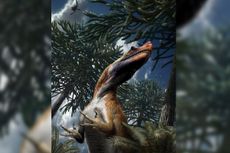 Photos: Carnivorous Dinosaur Discovered in Italian Alps
The newly identified dinosaur Saltriovenator zanellai was found in the Italian Alps.
dinosaurs -
'Miracle' Dinosaur Whose Bones Survived Being Blown Up Discovered in Italian Alps
The four-fingered beast is the largest, oldest predatory dinosaur on record.
dinosaurs -
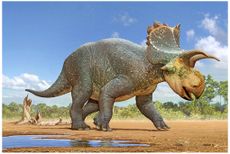 Half-Size, Ruffle-Headed Relative of Triceratops Discovered
If head frills were a fashion statement, a newly identified 73-million-year-old triceratops relative was certainly at the top of its game.
dinosaurs


