-
 REM vs. Non-REM Sleep: The Stages of Sleep
Scientists once thought that sleep was a time when a person's brain and body shut down for the night. But now, researchers know that sleep is a highly active time.
sleep -
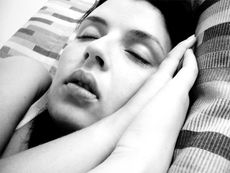 Why Do We Sleep?
Researchers who study sleep now have a few theories about why we spend one-third of our lives in dreamland.
sleep -
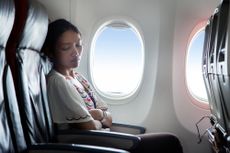 The Science of Jet Lag: 5 Surprising Findings
Nothing can throw off the start of a fun vacation faster than jet lag.
sleep -
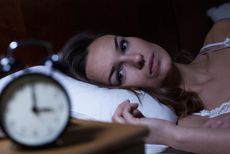 Sleepiness and Snoring Tougher for Women, Study Suggests
Sleep disorders may affect women more severely than men.
sleep -
 Why Sleep Is So Important for People at Risk for Heart Disease
Not getting enough sleep is linked to an increased risk of dying early, a new study finds.
sleep -
Trouble Sleeping? Air Pollution Could Be the Culprit
People in a new study who lived in areas with high levels of air pollution slept worse.
planet-earth -
 Booze snooze: Why does alcohol make you sleepy, then alert?
What's behind this weird effect?
food-drink -
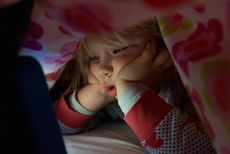 Touch Screens May Be Ruining Toddlers' Sleep
This is the first study to look at the link between toddlers' touch-screen use and sleep, the researchers said.
sleep -
 Scientists Can Now Tell If Someone Is Dreaming from Their Brain Waves
People who are in a deep slumber may not be able to say whether they're dreaming, but their brain waves might.
sleep