


-
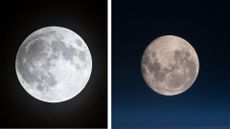 Does the moon look the same from everywhere on Earth?
The moon's orientation changes quite dramatically across time and between places, largely due to differences in perspective.
2 Commentsthe-moon -
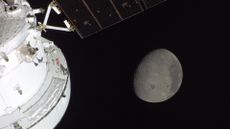 The moon is green and brown? Why scientists are already excited about Artemis II's historic lunar photos
As Earth reels at the beauty of Artemis II's historic lunar flyby photos, geologists working on the mission are excited for big insights about the moon.
7 Commentsthe-moon -
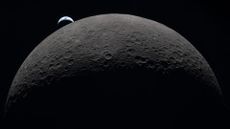 'So much magic': Artemis II shares first images from the far side of the moon, including new 'Earthset' and total eclipse in space
NASA's first set of images captured by the Artemis II crew during their lunar flyby are here, and they're stunning.
the-moon -
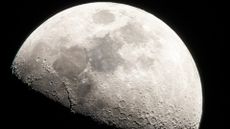 'This generation's moment': How the Artemis missions will reframe humanity's relationship with the moon
INTERVIEW Live Science spoke with Rebecca Boyle, author of "Our Moon" about how the moon has been viewed both culturally and scientifically through history.
INTERVIEW -
 How to catch the full 'Pink Moon' in April followed by a 'Blue Moon' in May
April's full moon, known as the Pink Moon, determines the dates of Passover and Easter. This year, it rises on April 1.
the-moon -
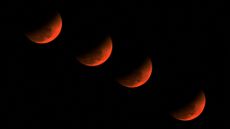 'Blood moon' total eclipse dazzles millions around the world (photos)
Here are the first images of the March 3 'blood moon' total lunar eclipse visible over North America, Australia, and eastern Asia.
the-moon -
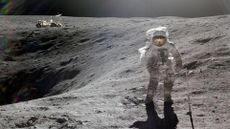 Fresh look at Apollo moon rocks solves decades-old lunar mystery
The lunar rocks collected by Apollo astronauts suggested the moon had a strong magnetic field. A new analysis shows the opposite.
3 Commentsthe-moon -
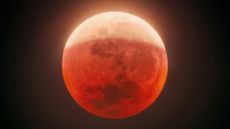 'Blood moon' total lunar eclipse: How to see the March 3 celestial spectacle from anywhere on Earth
The final "blood moon" total lunar eclipse until 2029 is coming to North America this Tuesday (March 3). Here's how to watch it online.
the-moon -
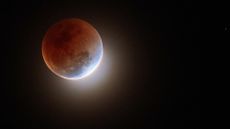 The US will see a rare 'blood moon' eclipse before sunrise this March: Where and when to look
A rare total lunar eclipse will be visible from most of the United States on March 3. Here's where and when to look.
2 Commentsthe-moon


