
-
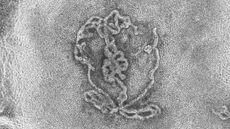 Tiny lab-grown testicles look remarkably like the real thing under the microscope
The first-ever 3D model of testicles, made using mouse cells, could improve our understanding of sex development disorders and male infertility.
reproductive-health -
 One-third of trans people taking testosterone may still ovulate, raising chance of pregnancy
In a small study of transgender men and gender-diverse people who take testosterone, scientists found that one-third of the participants still ovulate and could therefore potentially become pregnant.
reproductive-health -
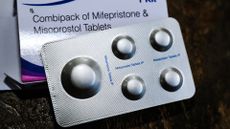 Telehealth abortions are as safe and effective as in-person, large study shows
An analysis of more than 6,000 telehealth abortion recipients in the U.S. suggests that receiving the abortion drugs via a virtual doctor's appointment is as safe and effective as doing so in person.
reproductive-health -
 Chemicals in plastics and cosmetics tied to preterm birth risk
Exposure to common chemicals in plastics during pregnancy has been tied to a risk of preterm birth in a new analysis.
reproductive-health -
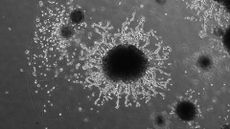 'Mini placentas' may reveal roots of pregnancy disorders like preeclampsia
Tiny models of the human placenta are helping scientists study which proteins and genes are key to maintaining a healthy pregnancy.
reproductive-health -
 Why is it called 'morning sickness' if it can happen any time of day?
Pregnancy sickness can happen at any time of day or night, but its symptoms can often be worse in the morning.
reproductive-health -
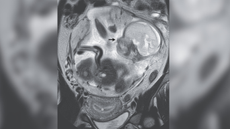 Baby is born alive after growing in mother's abdomen for 29 weeks
Most ectopic pregnancies, in which a fertilized egg implants outside the uterus, take place in a fallopian tube, but in a rare case, a woman experienced one in her abdomen.
reproductive-health -
 Cannabis use in pregnancy linked to small birth size, other poor outcomes
A study suggests that using cannabis in pregnancy may raise the risk of pregnancy outcomes that are linked to placental dysfunction.
reproductive-health -
 New syndrome identified in children exposed to fentanyl in the womb
Doctors have described a potential new syndrome seen in infants whose mothers used nonprescription fentanyl during pregnancy.
reproductive-health


