


What is hantavirus, and how risky is this outbreak?

Hantaviruses are a family of viruses carried by rodents. Hantavirus infections in humans are relatively uncommon, but when they do occur, they can be dangerous, with fatality rates ranging between 1% and 50% depending on the type of hantavirus. No specific treatment exists to cure infections, but prompt medical care can improve patients' chances of survival.
While most hantaviruses cannot pass between people, one specific type, known as the Andes virus, can. The Andes virus is the type of hantavirus that laboratory tests point to being behind this cluster. Health authorities are now working to analyze the virus's DNA to compare its sequence to that of Andes viruses involved in past outbreaks.
The World Health Organization and the U.S. Centers for Disease Control and Prevention have said the risk posed to the public from this cluster remains low, although they continue to monitor the situation.
For more on the Andes virus, you can read health editor Nicoletta's story here. And for more background information on hantaviruses, broadly, you can read this story.

World Health Organization says risk to the public is "low"
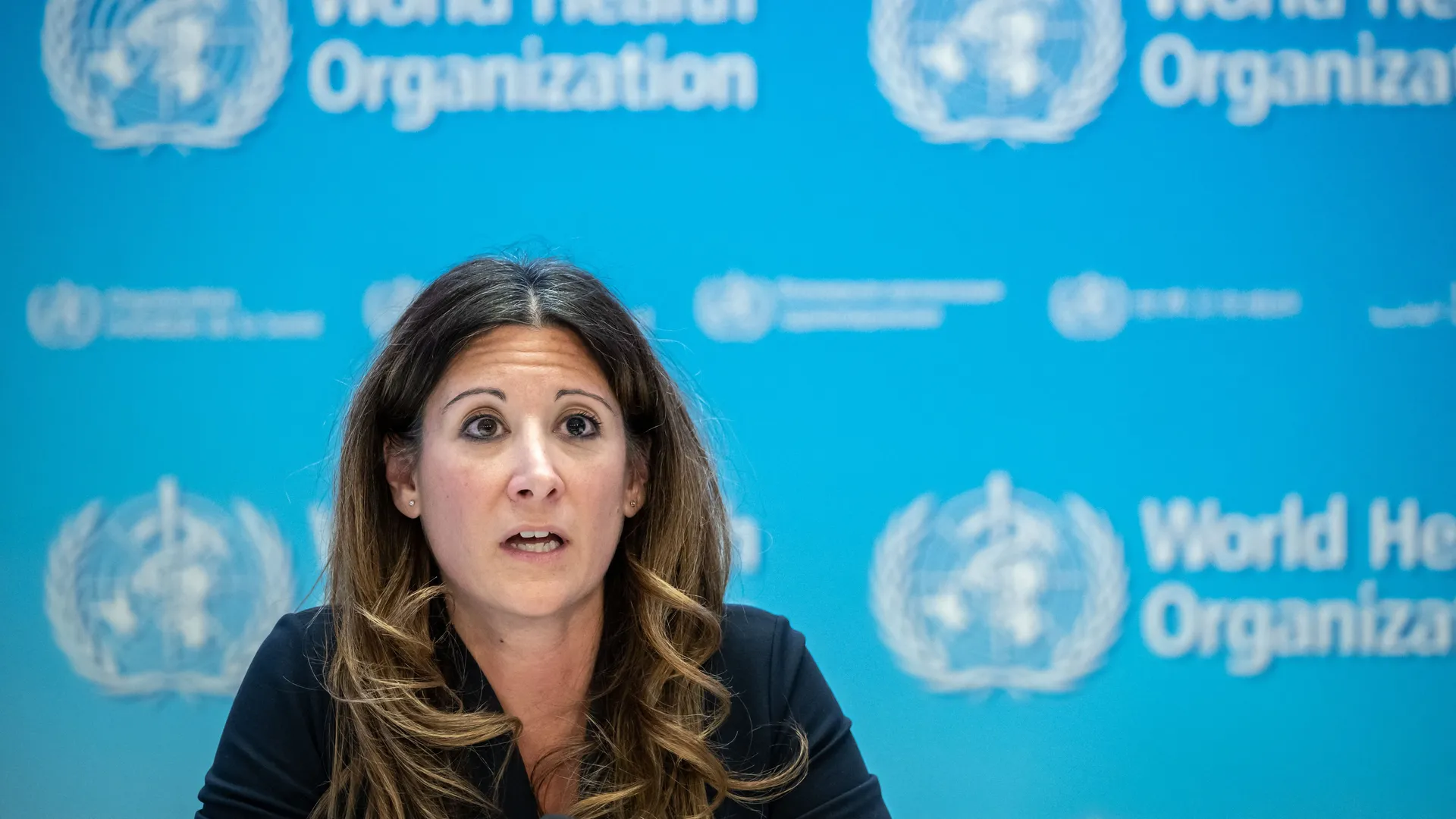
Maria Van Kerkhove at a WHO news conference.
The World Health Organization (WHO) just held a news conference to discuss the hantavirus cases.
The WHO has been working with collaborating centers to identify the type of virus behind the outbreak, as well as investigate suspected and confirmed cases and perform contact tracing. The agency has also been quick to quash fears that the outbreak could spark a global pandemic.
"This is not SARS-CoV-2 [the virus that causes COVID-19]. This is not the start of a COVID pandemic. This is an outbreak that we see on a ship," Maria Van Kerkhove, the WHO's interim director of epidemic and pandemic preparedness and prevention, said at the news conference.
"This is not the same situation we were in six years ago," she continued. "It [the Andes virus] doesn't spread the same way like coronaviruses do. It's very different. It's that close, intimate contact that we've seen, and most hantaviruses don't transmit between people at all."
"The Andes virus, which has been identified here — we've seen some human-to-human transmission," she added. "I want to reiterate [that] the actions that are being taken on board are precautionary to prevent any onward spread, and so there's a lot that is being done right now to be able to try to minimize the risk even further."
"Viruses don't care about politics"

Both Argentina and the U.S. recently withdrew from the World Health Organization (WHO). In the face of this outbreak, "I think they will reconsider their positions," said Tedros Adhanom Ghebreyesus, the WHO's director-general. "Viruses don't care about our politics, they don't care about our borders, and they don't care about all the excuses that we may have."
When asked whether U.S. health authorities are participating in the ongoing investigation, several WHO representatives confirmed that the U.S. Centers for Disease Control and Prevention is providing helpful technical support and expertise and communicating with WHO leaders daily.

Where did the infection come from?
WHO Director-General Tedros Adhanom Ghebreyesus told reporters at the news conference that the WHO is working with health authorities in Argentina to investigate where the first two people to contract the virus got infected. Those passengers, a husband and wife, marked the first two deaths associated with the outbreak.
Prior to boarding, "the first two cases traveled through Argentina, Chile and Uruguay, on a bird-watching trip, which included visits to sites where the species of rat known to carry Andes virus was present," Ghebreyesus said.
The Andes virus is transmitted to humans mainly through contact with the long-tailed pygmy rice rat (Oligoryzomys longicaudatus). People may pick up the virus through exposure to the rat's urine, feces or saliva. For instance, they may accidentally touch the rat's feces and then touch their face, or breathe in viral particles that get released into the air when rodent droppings get disturbed in the environment.
Monitoring of potential contacts
People who have potentially been exposed to the virus are being "actively monitored," according to Dr. Abdirahman Mahamud, director of the World Health Organization's (WHO) Health Emergency Alert and Response Operations. What that looks like depends on the country where the case contacts are currently located; some may be quarantined in facilities, while others may receive a daily visit from healthcare workers, for instance, he said.
The WHO recommends that contacts be monitored for six weeks, as the incubation period — the time between when someone is exposed to the virus and when symptoms begin — of hantavirus infections can be that long. Known cases that are symptomatic are being isolated and cared for in hospitals.
Genetic sequencing underway
Genetic material from the confirmed hantavirus cases is now being sequenced. This will enable experts to compare the genetics of the hantaviruses involved in this cluster to those that caused past outbreaks.
As of yet, there's "no indication" that there's anything particularly unusual about the hantaviruses themselves, but it is notable that the outbreak is taking place on a cruise ship, said Anaïs Legand, the WHO's technical officer of viral hemorrhagic fevers. A ship is a unique environment where people from many places are in close quarters.
Deceased passenger remains on board
The body of the third person to die in the outbreak — a woman who passed away on board May 2 after developing pneumonia — is still being stored on the MV Hondius. WHO officials are in contact with the cruise operators about safe storage and eventual transport of the remains.
Viral videos of distressed passengers
When asked about videos of distressed cruise passengers circulating online, Maria Van Kerkhove, the WHO's interim director of epidemic and pandemic preparedness and prevention, confirmed that WHO officials had seen the videos.
"This is quite frightening for those that are on board," she added, noting that health authorities are coordinating with the ship's captain to ensure those on the ship receive the best medical and psychological care possible.
Additionally, once the medical status of everyone on board is assessed, the WHO will also coordinate with each person's home country to safely repatriate them.
Clarity on cruise itinerary
Various social media posts and videos have been casting suspicion on when the MV Hondius actually departed Ushuaia, Argentina. The WHO's website notes April 1 as the departure date, while the Africa CDC website states March 20. So I reached out to the cruise operator, Oceanwide Expeditions, about the discrepancy.
A spokesperson shared that, from March 20 to March 30, the ship traveled from Ushuaia to Antarctica and back. Then, from April 1 to April 24, it traveled from Ushuaia to the island of St. Helena. Then, between April 24 and May 4, it traveled from St. Helena to Cape Verde.
When asked if any potential hantavirus cases were associated with that first leg of the trip, the spokesperson directed me to the WHO's official statements. The earliest known symptomatic case was on April 6 and involved a man who had boarded the ship April 1.
Both the man and his wife — the second passenger to get sick — had traveled in Argentina, Chile and Uruguay prior to boarding, and officials currently suspect that that's when they got exposed. Both individuals have since died.
Catching a killer — how to trace a rare and deadly virus

Andes virus outbreaks are rare, with only a handful documented since the 1990s. This makes investigations into clusters of cases like those associated with the MV Hondius tricky. However, one outbreak that hit southern Argentina's village of Epuyen in 2018 may prove to be informative.
The Epuyen outbreak infected 34 people and led to 11 deaths due to hantavirus pulmonary syndrome, in which a hantavirus attacks the lungs.
According to a 2020 study published in The New England Journal of Medicine, the Epuyen cases stemmed from three separate superspreader events. The first occurred when the first infected person, or index patient, attended a birthday party with around 100 others.
The 68-year-old man, who was feverish and feeling poorly at the time, attended for about 90 minutes and passed the infection to several people who had been sitting near him. Additional cases followed as several of these individuals or their close contacts attended other events while sick.
In many cases, infected people passed on the virus on the first day they began feeling feverish, the study authors determined. That hints that the infection might be at its most contagious when those early symptoms emerge — meaning the close confines of a ship could be an ideal location for the virus to spread in that time window.
Airline crewmember being tested for hantavirus
Earlier today, the Dutch outlet RTL Nieuws reported that an airline crewmember had been admitted to Amsterdam University Medical Center (UMC) after having brief contact with an infected person from MV Hondius.
The infected person — the woman whose husband was the first to die on board — had felt ill when she disembarked on the island of St. Helena. Her condition worsened during a flight from St. Helena to Johannesburg, South Africa. She then attempted to board a flight from Johannesburg to Amsterdam, but "due to the passenger's health condition at the time, the crew decided not to allow the passenger to board the flight," KLM has said.
The woman subsequently died and her case was later confirmed to be a hantavirus infection.
During her brief time on the Amsterdam-bound plane, the sick passenger interacted with the flight attendant who is now at Amsterdam UMC with mild symptoms of illness. Doctors are expecting to receive the attendant's test results later today, which will reveal if she has a hantavirus infection, CNN reported.
(For background, sustained close contact is typically required for Andes virus infections to transmit between people, so it's unclear whether this brief encounter would be particularly risky.)
Trump admin axed Andes virus research
Ten research centers that made up the Centers for Research in Emerging Infectious Diseases (CREID) were terminated last year after their funder, the National Institutes of Health, deemed their work "unsafe" and "not a good use of taxpayer funding." It turns out that one of those centers had a pilot program aimed at studying the Andes virus, which has now been implicated in the MV Hondius outbreak, Scientific American reported.
The pilot program was aimed at learning more about the inner workings of the Andes virus, including how it spreads from rodents to people. Some $100,000 would have likely been dedicated to this project in Argentina, sources told SciAm.
In the long run, the goal of CREID's many projects was to better understand germs capable of jumping from animals to people in order to respond quickly and effectively to future outbreaks. While the Andes virus pilot program likely wouldn't have stopped this cruise ship outbreak, its loss could very well undermine scientists' broader efforts to understand hantaviruses and the threat they might pose in the future.
As always: Vet your sources
A word of advice from your friendly neighborhood health editor: As investigations into the hantavirus cluster continue, emerging data may be incomplete and the narrative of who did what (and when) could also be fuzzy. A degree of uncertainty is expected in the midst of an unfolding investigation, because if all was known, there would be nothing to investigate.
With that in mind, be wary of bad actors, particularly on social media, who take advantage of uncertainty to sow doubt or stir up conspiracies. I understand the impulse to seek out more information and to pose questions when something is unclear or underexplained — but that is distinct from spreading misinformation and disinformation.
In short, if a given social media user's main goal is to gain views and monetization, rather than to provide clarity and well-sourced expertise, their input is unlikely to serve you.
Arizona Department of Health Services gives a hantavirus update
About half a dozen Americans are among the passengers who have disembarked the MV Hondius amid the outbreak. One of those individuals is now in Arizona.
The Arizona Department of Health Services provided an update Thursday (May 7) at 3 p.m. local time. During a virtual news conference, they said they had received notice on May 5 that an Arizona resident had been on the cruise ship. That individual's county-level health department is now monitoring their symptoms, checking in daily about their body temperature and any other signs of illness.
The person is currently asymptomatic, and based on the information available, it doesn't seem likely that they had much, if any, close contact with the infected individuals on the ship, officials said. The local health department will determine if the person requires testing, and likely, that wouldn't happen unless they develop symptoms, said Kenneth Komatsu, a state epidemiologist with Arizona Department of Health Services. That's in part because an asymptomatic person could very well come back negative on a test, he noted.
If the individual were to eventually develop symptoms, testing, contact tracing and quarantining would follow, along with monitoring of household contacts, Komatsu and other spokespeople suggested.
I asked whether the U.S. Centers for Disease Control and Prevention (CDC) had provided guidance on how the department should handle the situation.
"As CDC is currently working at a fast pace to put out some recommendations and guidance, most jurisdictions that have any individuals potentially exposed, they've been in contact with CDC sometimes two, three times a day to answer our questions," said Dr. Joel Terriquez, medical director of the Bureau of Infectious Disease Services and the Bureau of Immunization Services with the Arizona Department of Health Services.
"Guidance is currently being developed and an official recommendation will be coming out soon," he added. Komatsu also confirmed that public-facing CDC guidance was forthcoming. When asked which CDC department was heading the effort, he pointed to the Division of Global Migration Health within the National Center for Emerging and Zoonotic Infectious Diseases.
The health department emphasized that the risk to Arizonans remains low. "We just want to make sure that the message is clear," Terriquez said. "This situation is very low risk to the general public."
Other cruise passengers in the U.S.

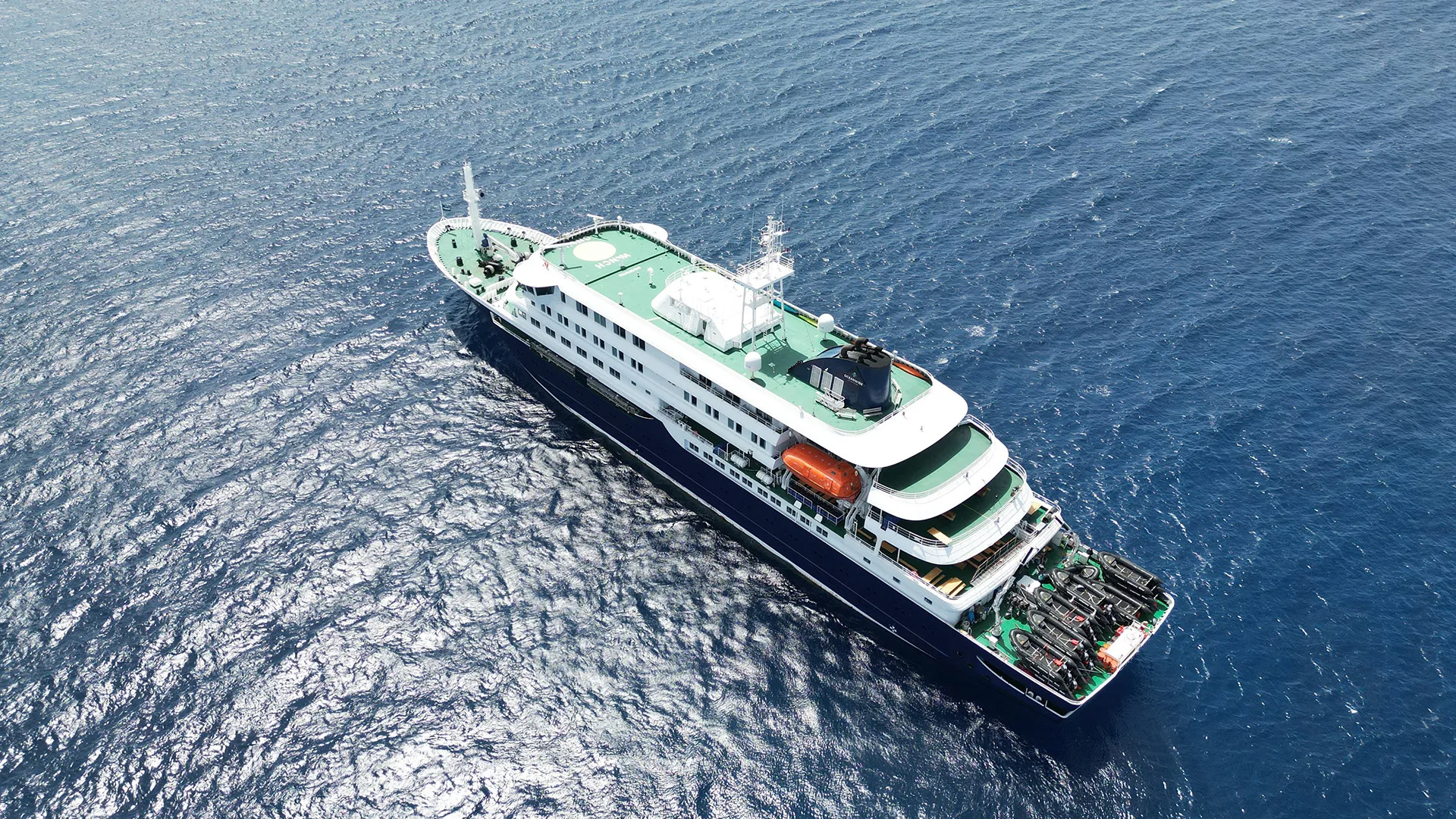
An aerial view of the cruise ship MV Hondius stationary off the port of Praia, the capital of Cape Verde, on May 5, 2026.
In addition to the person in Arizona who recently returned from a cruise on the MV Hondius, several people in Georgia and California are facing the same situation.
On May 7, the Georgia Department of Public Health told Live Science via email that it is "monitoring two Georgia residents who returned home after disembarking from the MV Hondius, the cruise ship at the center of a hantavirus outbreak. The individuals are currently in good health and show no signs of infection. They are following current recommendations from CDC."
Also on May 7, the California Department of Public Health told Live Science via email that the department is coordinating with local health officials to monitor returning travelers, as needed.
"There is no information that the California residents are ill or infected. In order to protect patient privacy, CDPH cannot disclose the travelers' residences or other information. At this time, the risk to public health in California is low," the statement concluded.
Seventeen Americans remain on the MV Hondius, The New York Times reported.
Dutch flight attendant tests negative for hantavirus infection
Good morning, everyone. We're back with some possible glimmers of good news, as the KLM Royal Dutch Airlines flight attendant who had been in contact with a woman who died from a hantavirus infection has tested negative for the virus, Reuters reports.
Both Reuters and the health newsletter Inside Medicine (which got the scoop) cite the World Health Organization (WHO) as their source, although we're still awaiting firsthand confirmation.
“As you know, the incubation period is long and although she is negative for now, she might turn positive in the future,” Tedros Adhanom Ghebreyesus, the WHO's director-general, told Inside Medicine via a text message.
"It's very much, we hope, under control": U.S. sets lowest emergency level response to the virus

President Donald Trump spoke to reporters about the Andes virus cluster as he inspected the painting of the Lincoln Memorial Reflecting Pool basin with Homeland Security Secretary Markwayne Mullin.
Those were the words of President Donald Trump when asked if he'd been briefed on the virus.
"I think we're going to make a full report about it tomorrow," he continued. "We have a lot of people — a lot of great people are studying it. It should be fine, we hope."
The U.S. Centers for Disease Control and Prevention (CDC) has classified the situation as "Level 3," its lowest level of emergency response, ABC News reported Thursday (May 7). That grade of emergency response is typical for this stage of a disease cluster, and it means the agency is actively monitoring the situation.
U.S.' slow hantavirus response offers a troubling glimpse into future pandemic preparedness, experts say
The U.S. Centers for Disease Control and Prevention's (CDC) delayed response to the hantavirus cases suggests the U.S. is "ill prepared" for future health crises, including pandemics, The New York Times (NYT) reports.
“We should be able to deal collectively with a hantavirus outbreak much more quickly and effectively than this is happening,” Stephanie Psaki, a public health expert at Brown University and former coordinator for global health security in the Biden administration, told the NYT. "It can get much harder than this."
President Donald Trump signed an executive order to withdraw the U.S. from the World Health Organization (WHO) on Jan. 20, 2025, and officially withdrew Jan. 22, 2026. Consequently, the CDC is not immediately notified of updates from the WHO relating to emerging health threats, Dr. Daniel Jernigan, former director of the CDC's National Center for Emerging and Zoonotic Infection Diseases, told the NYT. Jernigan resigned from his post in August 2025.
The U.S.' decision to leave the WHO "makes both the United States and the world less safe," WHO officials wrote in a statement published Jan. 24, 2026.
When asked at yesterday's (May 7) news conference on the hantavirus cluster whether U.S. health authorities are taking part in the ongoing investigation, WHO representatives confirmed that the U.S. CDC was working with the WHO daily.
"Viruses don't care about our politics, they don't care about our borders, and they don't care about all the excuses that we may have," said Tedros Adhanom Ghebreyesus, the WHO's director-general.

Where is the cruise ship now?
The MV Hondius is currently about 200 miles (over 300 kilometers) off the west African coast, due west of the Mauritanian port city of Nouadhibou. Sailing northwest, it is expected to dock at Tenerife in the Canary Islands Sunday (May 10).
Health officials on the Spanish island are preparing to perform careful evacuations of the ship's passengers into an isolated, cordoned-off area.
What will happen when the ship arrives in Spain?
The MV Hondius is set to reach the Spanish island of Tenerife Sunday (May 10), the Associated Press reported May 8. The U.S. will send a plane to the Canary Islands to repatriate the 17 U.S. citizens on board the ship.
Measures are being put in place to ensure the ship's passengers do not come into contact with local residents during the evacuations from the cruise ship.
"They will arrive at a completely isolated, cordoned-off area," Virginia Barcones, Spain's head of emergency services, said at a May 7 news conference. "They will board vehicles that are isolated and under guard and will proceed to a section of the airport that will be completely cordoned off. They will board the aircraft and depart."
"I am saying this so that the people of the Canary Islands, the men and women living there, can rest assured that there will be absolutely no possibility of contact at any time," she concluded.
British authorities identify new suspected case

U.K. authorities have identified a new suspected case of hantavirus on the South Atlantic island of Tristan da Cunha, according to a May 8 statement by the U.K. Health Security Agency.
The individual, a British man, likely disembarked from the MV Hondius when it made a stop there on April 15. He is currently in the hospital while his spouse is isolating, U.K. officials said. The island's population is a little over 200 people.
"We shouldn't be alarmist; we should be realistic," hantavirus expert says
This is what Gustavo Palacios, a hantavirus expert and professor of microbiology at the Icahn School of Medicine at Mount Sinai in New York who documented a previous outbreak of the disease, told El País in a story published today.
Palacios led a study of the November 2018 to February 2019 Andes virus outbreak in the village of Epuyén, in Argentina's Chubut province. There were 34 confirmed cases and 11 deaths during that outbreak, with human-to-human transmission occurring during a "superspreader" birthday party that resulted in four generations of infections.
Palacios told El País that these findings were met with skepticism. "It's been a David versus Goliath story, trying to convince the global virology community" that there can be chain infections from the Andes virus, he said in a translated interview.
However, Palacios noted that the conditions of the 2018 Argentine outbreak are "quite different" from the currently unfolding situation.
"We must keep in mind that we know little about the Andes virus because it hasn't been studied much," he said. "We've never seen how it behaves on a ship."
Despite the lack of data, the conditions on the ship are theoretically worse than the 2018 outbreak in Argentina. "A ship is inherently a place that facilitates contagion," Palacios said.
Woman self-isolating in Alicante
A woman is self-isolating in the Spanish city of Alicante after traveling on a flight "close to" a woman who died with a hantavirus infection, Spain's health minister, Mónica García, wrote in a translated statement on X.
The woman "has reported mild symptoms compatible [with the disease] and is being preventively isolated while the National Microbiology Center analyzes the diagnostic samples that will be taken from her," García wrote.
"We reiterate that the risk for the general population remains very low," she concluded.
2 Singapore residents test negative for hantavirus
Two Singapore residents who were on board the MV Hondius have tested negative for hantavirus, Singapore's Communicable Diseases Agency has announced.
The two residents, a 67-year-old and a 65-year-old, had returned to Singapore from St. Helena on the same flight as a person who later died from the virus.
The agency conducted tests "with multiple samples collected from the individuals, and confirmed that hantavirus, including the Andes virus, was not detected," officials wrote.
However, due to the long incubation period of hantaviruses, those who test negative now can turn positive later. This means that the pair will remain in isolation.
"As a precaution, the two individuals will be quarantined for 30 days from the date of last exposure, and testing will be conducted again before release from quarantine," they continued. "They will then undergo phone surveillance for the remaining monitoring period of 45 days from the date of last exposure, which is the maximum incubation period for hantavirus exposure."
The agency says the risk to the general public in Singapore is low.
All passengers left on MV Hondius currently without symptoms, WHO says
That's according to Anais Legand, the World Health Organization's (WHO) technical officer, who is giving an update on how the WHO is running its contact tracing.
"They will be asked to take their temperature every single day for 42 days. They will be asked to check every day for other symptoms like feeling unwell or a headache," Legand said. "They will be provided with someone to contact. If they're not feeling well, it's up to the national authorities where people will go next."
Where did the cruise stop?
An aerial view of the MV Hondius.
Since leaving Ushuaia, Argentina, April 1, MV Hondius has visited numerous islands.
The ship first visited South Georgia and Tristan da Cunha, before sailing on to St. Helena. They stopped at St. Helena April 24, with this being the final destination for some passengers on board.
The ship then continued on to Ascension Island, leaving April 27. The vessel arrived in Cape Verde waters, off the west coast of Africa, on May 3 but was denied plans to dock.
MV Hondius is now sailing to the Canary Islands, a Spanish archipelago off the west coast of Africa, where it is due to arrive by early Sunday.
Is hantavirus on the rise?
The answer is complicated: Cases of hantavirus infection did rise in parts of the Americas in 2025, according to a Dec. 19, 2025 report from the Pan American Health Organization (PAHO) and the World Health Organization (WHO). But the pattern is far from uniform across the rest of the world.
Argentina routinely experiences the highest number of hantavirus cases in the Americas, and hantavirus cases are also rising there. Argentina's ministry of health reported on May 5 that there have been 101 confirmed hantavirus cases since June 2025, according to the Associated Press (AP). That's an increase from the 69 cases (11 confirmed and 58 under investigation) in Argentina in 2024.
"Argentina has become more tropical because of climate change, and that has brought disruptions, like dengue and yellow fever, but also new tropical plants that produce seeds for mice to proliferate,” Dr. Hugo Pizzi, an infectious-disease specialist and epidemiologist at the National University of Córdoba in Argentina, told the AP. "There is no doubt that as time goes by, the hantavirus is spreading more and more."
The joint PAHO and WHO report found that Argentina and Brazil experienced "an increase in [hantavirus disease] lethality" in 2025, compared with recent averages. Bolivia and Paraguay have seen substantial increases in hantavirus infections compared with historical averages.
Between 1993 and 2023, there have been 890 cases of hantavirus disease in the U.S., of which 35% of cases were fatal. (The U.S. first started surveilling hantavirus infections in 1993.) It is unclear whether the incidence is increasing in the U.S., as data covering 2024 and 2025 is currently unavailable, according to the PAHO and the WHO.
The European Center for Disease Prevention and Control reported 1,885 confirmed cases of hantavirus infection across 28 European Union/European Economic Area counties in 2023. Along with 2020, 2023 marked the lowest case rate for the 2019-to-2023 period.
Hantavirus disease cases in East Asia, particularly in China and the Republic of Korea (South Korea), have declined in recent decades, according to the WHO.
Hantavirus evacuation has a short time window due to weather conditions
Spanish officials have told reporters that they have a fairly narrow weather window to get passengers off MV Hondius and onto their flights home.
"The only window of opportunity we have to carry out this operation is around 12 o'clock on Sunday morning and until conditions change from Monday," Alfonso Cabello, spokesperson for the government of the Canary Islands, told reporters today (May 8).
"Otherwise, the ship must leave and no operation could be carried out again in theory ... until the end of May," Cabello added, citing adverse weather conditions such as wind and swell.
If all goes well, the passengers will be flown back to their home countries under quarantine conditions soon after the vessel arrives Sunday (May 10).
US citizens on board will receive repatriation flight
The 17 American citizens who are currently on board the MV Hondius will receive a repatriation flight arranged by the U.S. Department of State, a spokesperson for the department told Reuters today (May 8).
"The Department of State is closely tracking the hantavirus outbreak on a Dutch cruise ship in the Atlantic Ocean and maintaining close contact with the cruise ship staff, Americans on board, and U.S. and international health authorities," the spokesperson said in a statement.
The Department of State is in contact with the Americans on the ship and will provide consular assistance as soon as it docks at Tenerife, Spain, according to the spokesperson.
There is no vaccine for hantavirus, but research is promising
Currently, there is no effective vaccine against any hantavirus, and the future of research into vaccines against the virus family is uncertain, especially in the U.S.
Scientists at the U.S. Army Medical Research Institute of Infectious Diseases have been working on hantavirus vaccines since the 1980s, virologist Jay Hooper told Nature News. Hooper's team has already completed Phase I clinical trials of a vaccine that protects against the Andes virus — the only hantavirus type that has been shown to spread between humans — that has been linked to the MV Hondius cluster. But the team has not identified a region with enough cases to run the full clinical trial that would allow them to meet licensing requirements for a vaccine.
"Right now, we are pushing from the research side, but there is no strong external pull, so progress is slower than it could be. It is frustrating — like pushing a rock up a hill for years," Hooper said.
Scientists at the University of Bath in the U.K. are also working on a vaccine that targets the hantaan hantavirus, which is found primarily in East Asia. To date, they have tested their vaccine in laboratory and animal models, but they have yet to advance to Phase I trials in humans. And scientists at the University of Guelph in Canada are working to develop vaccines that prevent hantavirus cardiopulmonary syndrome caused by the Andes virus and other "New World" types.
But experts told NBC News that hantavirus vaccine research has repeatedly stalled, in part because outbreaks tend to affect impoverished countries where pharmaceutical companies aren't investing their resources.
"Our funding agencies don't put a lot of money into this, because it's likely not to cause the next epidemic or pandemic," Sabra Klein, a molecular microbiologist at the Johns Hopkins Bloomberg School of Public Health, told NBC News.

CDC will escort Americans on MV Hondius to quarantine in Nebraska
The U.S. Centers for Disease Control and Prevention (CDC) has dispatched staff to meet American passengers aboard the MV Hondius in the Canary Islands. From there, the passengers will be escorted back to the U.S. aboard a charter flight to quarantine. "One source said the charter is a specialized aircraft with a biocontainment unit, similar to those used during Covid-19 evacuations," CNN reported. The passengers will then quarantine in Nebraska, which hosts the federally funded National Quarantine Unit and the Nebraska Biocontainment Unit.
"Nebraska Medicine and UNMC [University of Nebraska Medical Center] remain in close coordination with national partners regarding the evolving situation with the hantavirus outbreak on the MV Hondius cruise ship," Nebraska Medicine said in a statement. "We cannot discuss specific communications at this time, but our specialized teams, including the Nebraska Biocontainment Unit and National Quarantine Unit, are staffed and ready, if needed, to safely provide care while protecting our staff and the community."
Other countries are scrambling to contain the outbreak as concerns grow about what will happen when the MV Hondius docks in Tenerife, part of Spain's Canary Islands. The ship is predicted to dock at the port city of Granadilla Sunday (May 10), but Oceanwide Expeditions, the ship's operator, has said this is subject to change. The company also stated that no symptomatic individuals are currently on board and that it has "preparations regarding our point of arrival, quarantine and screening procedures for all guests, and the onward travel plans for all guests and affected crew are being led by organizations from a number of countries."

Spain finds South African exposed to woman who died of hantavirus
In a translated X post, Spain's health minister, Mónica García, announced, "We confirmed that the second person who traveled on the plane at the same time as the Dutch woman from the MV Hondius cruise ship, who later died from hantavirus in Johannesburg, has been located."
According to García, the South African woman is currently asymptomatic in South Africa, after having stayed a week in Barcelona.
"According to the epidemiological investigation carried out, during her stay she stayed alone in a hotel and did not have close contacts," García posted.
Weekend updates
Live Science is signing off for the weekend, but our reporters and editors will continue to track the outbreak as it evolves. If anything major changes, we'll pop on here to let you know — but barring that, we'll be back to blogging at a regular clip on Monday (May 11).
If you have any questions about hantaviruses that you'd like us to address, reach out to [email protected] with the subject line "Reader hantavirus question." (Questions without the appropriate subject line may be missed or deleted.)
WHO Director-General to people of Tenerife
On May 9, Tedros Adhanom Ghebreyesus, the director-general of the World Health Organization (WHO), shared a message with the residents of the Spanish island of Tenerife, where MV Hondius is anticipated to make port Sunday (May 10).
"It is not common for me to write directly to the people of a single community, but today I feel it is not only appropriate, it is necessary," he wrote. "I want to speak to you directly, not through press releases or technical briefings, but as one human being to another, because you deserve that."
"I know you are worried. I know that when you hear the word 'outbreak' and watch a ship sail toward your shores, memories surface that none of us have fully put to rest. The pain of 2020 is still real, and I do not dismiss it for a single moment. But I need you to hear me clearly: this is not another COVID. The current public health risk from hantavirus remains low. My colleagues and I have said this unequivocally, and I will say it again to you now."
Tedros continued by reiterating that there are no symptomatic passengers on board MV Hondius, that a WHO expert is on the ship, and that Spanish authorities have prepared a plan to safely disembark the passengers and crew. He thanked Prime Minister Sanchez for Spain's "act of solidarity and moral duty" in receiving the MV Hondius passengers and crew.
"I intend to travel to Tenerife to observe this operation firsthand, to stand alongside the health workers, port staff, and officials who are making it happen, and to personally pay my respects to an island that has responded to a difficult situation with grace, solidarity, and compassion. Your humanity deserves to be witnessed, not just acknowledged from a distance."
You can read Tedros's full statement on the WHO's social media platforms.
WHO update on May 9 — still eight cases
In a live social media update on Saturday, Maria Van Kerkhove, the WHO's interim director of epidemic and pandemic preparedness and prevention, clarified that the number of confirmed and suspected hantavirus cases associated with MV Hondius is still eight. There had been some discussion of a potential ninth case, but testing has now confirmed that case was negative, she said.
On Friday, the WHO said six of the eight cases have now been confirmed to be hantavirus, while the final two cases are suspected to be.
WHO update on May 9 — repatriation flights planned Sunday and Monday
In the live social media update on Saturday, Maria Van Kerkhove of the WHO said plans are in place to disembark the remaining passengers and crew from MV Hondius on Sunday, and that repatriation flights are planned to start transporting people home Sunday and Monday.
The disembarkment will involve MV Hondius anchoring offshore and small boats taking subsets of the passengers and crew from the ship to land. Everyone will undergo a thorough screening and "exposure assessment" to determine what degree of exposure they likely had to the infected passengers on board. Everyone on board remains asymptomatic as of May 9, Van Kerkhove said.
What will happen to the American passengers now that they're back in the U.S.?

The Davis Global Center at the University of Nebraska Medical Center campus, which holds the National Quarantine Unit, is seen on May 11, 2026 in Omaha, Nebraska.
Good afternoon, everyone. We're back with more updates regarding the cluster of hantavirus cases associated with the cruise ship MV Hondius.
Following their evacuation onto the Spanish island of Tenerife early Sunday (May 10), the ship's passengers are being repatriated via chartered flights. Seventeen American citizens and one British national have been transported to the U.S.
One member of this group has "mild symptoms," according to the U.S. Department of Health and Human Services (HHS), while another has reportedly tested "mildly" positive on a PCR test, which measures the amount of viral genetic material in a sample. These passengers have now been taken to a specialized facility at Emory University in Atlanta, according to the HHS.
Spain's secretary of state for health, Javier Padilla, noted that this passenger had previously had one inconclusive test and one negative test on board the MV Hondius. During the evacuation, though, each passenger was treated as a possible positive case out of caution.
The remaining passengers are being transported to specialized facilities housed at Nebraska Medicine and the University of Nebraska Medical Center. There, they will be evaluated for symptoms and interviewed about their degree of contact with infected passengers on the ship. The Nebraska Biocontainment Unit on-site is equipped to safely treat any passengers with symptoms. Hantavirus infections can be deadly, and they require prompt treatment to improve patients' chances of survival.
"If they weren't in close contact with someone who was symptomatic, then we're going to deem them 'low risk'" in terms of likelihood of exposure, Dr. Jay Bhattacharya, acting director of the U.S. Centers for Disease Control and Prevention (CDC), said in an interview with CNN. "If they were in close contact, we're going to deem them 'medium' or 'high risk.'"
Following that evaluation, passengers will be offered the option of staying in Nebraska or being safely transported to their home state, if "their home situation allows it," Bhattacharya continued. If transported home, those individuals would then be monitored by their state and local health departments with CDC support.
Bhattacharya noted that the protocols being followed in this situation are the same ones employed during a 2018 event in which one person in Delaware tested positive for the Andes virus, marking the first-ever case in the U.S.
Genetics of the virus appear very similar to past outbreaks, Spanish health minister says
"The first genetic analyses of the MV Hondius hantavirus confirm that it corresponds to the Andes variant that is already known and rule out relevant mutations," Spain's health minister Mónica García wrote in a translated statement on X. "Investigation is helping to reconstruct how transmission occurs and to strengthen epidemiological monitoring."
Tentatively, these initial results are good news, suggesting the virus is not rapidly evolving new abilities — gaining mutations that could make it more contagious, for instance.
"I hope it's fine" — President Trump says "we're in very good shape" on hantavirus

President Donald Trump speaks during a Maternal Healthcare Event in the Oval Office of the White House in Washington, D.C., on May 11, 2026.
President Donald Trump was asked about the hantavirus during a maternal healthcare event today (May 11) in the Oval Office.
"Now the one thing with this one is that it's much harder to catch. It's been around a long time; people are very familiar with it," Trump said. "So, I hope it's fine. All I can do is what a president can do, which is actually somewhat limited."
"It seems like it is not easy to spread; in fact, in certain ways, it's very hard to spread," he added. "We've lived with it for years — many years — and we think we're in very good shape."
All about hantavirus
Wondering about the symptoms of hantavirus infections or how best to avoid the illnesses? We've just updated our short guide to hantavirus disease.
It includes details of how hantaviruses spread, where they're found worldwide, how infections manifest, what treatments are available, and how deadly the illnesses are.
For the general public, the risk of infection associated with the MV Hondius disease cluster remains quite low, and no particular precautions are recommended at this time. That said, the above article provides general information about how to avoid infection from both infected rodents and other people.
Cruise passengers now at Atlanta hospital
Two passengers who disembarked MV Hondius are now being treated at Emory University's Serious Communicable Diseases Unit in Atlanta, CBS News Atlanta reported.
The Centers for Disease Control and Prevention (CDC) notified the Georgia Department of Public Health that the passengers, who are a couple, were being transported to the containment unit. Video captured Monday morning showed the two patients arriving at the hospital.
A Health and Human Services official said at a news conference that one person was experiencing symptoms of illness but had so far tested negative for hantavirus. The second person is asymptomatic and so is being monitored for any new symptoms.
"Federal healthcare workers are taking every precaution needed in each of these cases, and there is no risk to the public at this time," the Georgia Department of Public Health said.
16 in Nebraska, two in Georgia
To recap: Eighteen passengers — 17 Americans and one British dual-national — who had been on board MV Hondius have now been transported to the U.S.
Sixteen remain in Nebraska, and all are asymptomatic, although one tested positive for hantavirus. The person who tested positive is in the University of Nebraska Medical Center's biocontainment unit, while the others are in its quarantine unit, CNN reported.
The two people described in our most recent post are now being monitored at Emory University's Serious Communicable Diseases Unit in Atlanta. Neither has tested positive for hantavirus, but one is showing symptoms of illness. Per CNN, the transfer to Emory was a part of a contingency plan acknowledging that the University of Nebraska Medical Center's facilities have limited space to hold people for monitoring.
At least 11 additional people are being monitored in seven states. That includes cruise passengers who disembarked before the ship was isolated at sea, as well as a few people who had possible exposures on an international flight.
That brings the total number of people being monitored in the U.S. to 29.
Reader questions, answered (1 of 3)

We received a few questions from readers! We'll answer them in this and the next couple of posts. If you have a question, email us at [email protected] with the subject line "Reader hantavirus question."
What will happen to the MV Hondius passengers who have now been repatriated?
The answer may differ slightly from country to country, as each is in charge of its own containment protocols, although the World Health Organization (WHO) offers guidance on best practices.
In the U.S., the 18 passengers who were just transported to the country are currently being monitored in specialized centers. Any people who develop symptoms will be provided prompt medical treatment, as early treatment improves patients' chance of survival. After a few days of monitoring, officials will weigh whether those who remain asymptomatic and negative on hantavirus tests should complete their monitoring period at home or in medical facilities. The full monitoring period is 42 days, but it should be noted that it's counted from the last likely point of exposure to the virus.
Reader questions, answered (2 of 3)
What are the symptoms of hantavirus disease, and how can I avoid it?
The answer to those questions and more can be found in this article!
TL;DR, hantaviruses from the Americas — like the hantavirus implicated in this infection cluster — typically cause fever, muscle aches and fatigue at first, as well as chills, headache, dizziness and gastrointestinal issues. The disease can then quickly progress to coughing, shortness of breath, shock and fluid buildup in the lungs, which can ultimately be deadly. Prompt medical treatment is key.
The majority of hantavirus infections are caused by exposure to infected rodents and their pee, poop or saliva. Therefore, precautions that limit your exposure to wild rodents help cut your risk of infection.
Only the Andes virus, a specific type of hantavirus, is known to spread from person to person, and it's implicated in this outbreak. Your chances of encountering someone with an infection are low, but the article linked above describes measures for limiting person-to-person spread, as well.
Reader questions, answered (3 of 3)
Is there anything the general public should be worried about?
In the near term, likely not. From what scientists know about the nature of this virus — and from what we've learned in sequencing its genetic material during this event — the chances of this sparking a large, runaway outbreak are low.
It's worth emphasizing that not all viruses behave the same way, and they don't all carry the same "pandemic potential." Officials have repeatedly emphasized that the risk to the general public is low, adding that "This is not COVID" — and while that's a vague turn of phrase, it rings true in that we know more about this virus than we did about SARS-CoV-2 (the virus that causes COVID-19) when it emerged, and from what we know, the Andes virus isn't nearly as transmissible.
So, I wouldn't recommend being consumed with worry; I would suggest paying attention to the news as it comes and keeping that bigger picture in mind. If anything changes such that it dramatically shifts our impression of this virus for the worse, we'll let you know ASAP.
Now, in the longer term, this event could well raise some alarm bells.
The U.S. has far fewer CDC staff than it used to. It's withdrawn from the World Health Organization. It's axed research funding aimed at better understanding germs that can jump from animals to humans. These changes degrade not only the United States' ability, but the world's ability, to respond quickly to outbreaks. The U.S. has stood as a world leader and major investor in public health for many years, and we're still moving through the transition period of the country stepping down from that role. Scientists have warned that "The Big One," a pandemic to pale COVID-19, could be on its way — and it's that future, big outbreak that I'm personally worried about.
"We expect more cases," says WHO director-general

Spanish Prime Minister Pedro S ánchez (left) and World Health Organization (WHO) Director-General Tedros Adhanom Ghebreyesus (right) speak at a media conference on May 12, 2026 in Madrid.
Dr. Tedros Adhanom Ghebreyesus, the director-general of the World Health Organization (WHO), has just finished a news conference with Spanish Prime Minister Pedro Sánchez in Madrid.
In response to questions from reporters, he said the gap between the first hantavirus case on MV Hondius and its identification means more cases are expected.
"We would expect more cases because, as you may remember, the index case, the first case in the ship, was on April 6," he said at the news conference. "And until the report was confirmed as infectious — that's around April 24 or 25 April — there was a lot of interaction actually with the passengers."
"As you know, the incubation period is six to eight weeks," he continued. "So because of the interaction, while they were still in the ship, especially before they started taking some infectious prevention measures ... we would expect more cases."
Nonetheless, Tedros was careful to reiterate during the conference that there was "no sign that we are seeing the start of a larger outbreak."
A dozen hospital workers quarantined after possible hantavirus exposure
Twelve workers at Radboud University Medical Center (Radboudumc) in Nijmegen, Netherlands, have been placed into precautionary quarantine following improper protocol in the handling of a MV Hondius passenger's blood and urine, hospital officials wrote in a May 11 update.
Workers followed a standard procedure instead of a stricter protocol when taking the passenger's blood, while also not obeying the most recent international regulations in the disposal of the passenger's urine.
The hospital workers have been placed into preventive quarantine for six weeks as a precaution.
"Despite the fact that the chance of actual infection is very small, these measures have a major impact on all those involved," Bertine Lahuis, chair of the executive board of Radboudumc, said in a statement. "We regret that this happened in our umc [university medical center]. We will carefully investigate the course of events to learn from this so that it can be prevented in the future."
"Where is the CDC?" Experts troubled by the U.S. government's hantavirus response
President Donald Trump told reporters yesterday that the U.S. was "in very good shape" on hantavirus.
But public health experts are far from convinced, saying that the U.S. Centers for Disease Control and Prevention (CDC) has been missing in action, the Associated Press (AP) reports.
"The CDC is not even a player," Lawrence Gostin, an international public health expert at Georgetown University, told the AP. "I've never seen that before."
The CDC's actions thus far have drawn concern from some experts. The organization did little to act upon last week's developments until late Friday (May 8), and on Saturday (May 9), CDC officials ducked a direct answer to reporters over whether American passengers evacuated from the cruise ship could leave quarantine when they wanted, the AP reports.
This makes the hantavirus outbreak "a sentinel event" that speaks to "how well the country is prepared for a disease threat. And right now, I’m very sorry to say that we are not prepared," Dr. Jeanne Marrazzo, CEO of the Infectious Diseases Society of America, told the AP.
"I don't think this is a giant threat to the United States," Jennifer Nuzzo, director of Brown University’s Pandemic Center, told the AP. But the situation "just shows how empty and vapid the CDC is right now."
Spain confirms positive hantavirus case
A Spanish MV Hondius passenger that gave a "provisional positive" result yesterday has been confirmed positive for hantavirus, Spain's ministry of health wrote in a translated statement on X.
"The patient presented yesterday with a fever and light respiratory symptoms, although they are currently stable and without evident clinical deterioration," ministry officials added.
What do you mean by "symptoms"?
Contract tracing continues around the world as health officials work to find people potentially exposed to hantavirus by MV Hondius passengers. As that happens, we're likely to hear occasional reports of people experiencing "symptoms" and being admitted to hospitals for testing and treatment.
For clarity: People experiencing "symptoms" in this context may well have a different infection; until it's officially confirmed to be hantavirus, it's not worth getting too worried about. The early symptoms of Andes virus infections are fairly generic: fever, muscle aches, fatigue, chills, headaches, dizziness and gastrointestinal issues. In short, they can be flu-like, as can many other respiratory illnesses in their early stages.
A pertinent example is the KLM flight attendant who was briefly exposed to a confirmed hantavirus case, later developed "symptoms," and went to a hospital to be checked. (And that was a good thing to do, on her part.) She ended up testing negative for hantavirus.
We're likely to see more cases like hers before this situation wraps up, so just keep that in mind when you see a scary headline.
Nonetheless, the long incubation period of the virus means that those who test negative now could test positive days or weeks later; it's for that reason that MV Hondius passengers are being monitored for 42 days from their last exposure. We want people experiencing symptoms, alongside those who suspect they had contact with an infected passenger, to get periodically checked out at hospitals. In the event they do have a hantavirus infection, they'll get prompt treatment and be isolated from others before they continue the chain of transmission.
Where is the MV Hondius now? And who's still on board?
An aerial photo of the MV Hondius.
The MV Hondius cruise ship is currently passing Morocco as it makes its way to its final destination in Rotterdam, Netherlands.
There are currently 25 crew on board and two medical staff from the Dutch National Institute for Public Health and the Environment (RIVM), according to a new update from Oceanwide Expeditions, the cruise company that owns the ship. None of the staff on board are displaying symptoms associated with hantavirus.
"The vessel is expected to arrive in Rotterdam on either Sunday 17 or Monday, 18 May," the company statement says. "Upon arrival, all crew will disembark and follow quarantine procedures outlined by the Dutch authorities and RIVM."
Following disembarkment, there will be rigorous decontamination of the boat. Additionally, according to an update published yesterday (May 11), the body of the third person to die in the outbreak — a woman who passed away on board on May 2 after developing pneumonia — will also be removed from the MV Hondius.
Hantavirus-carrying rats expected to expand range
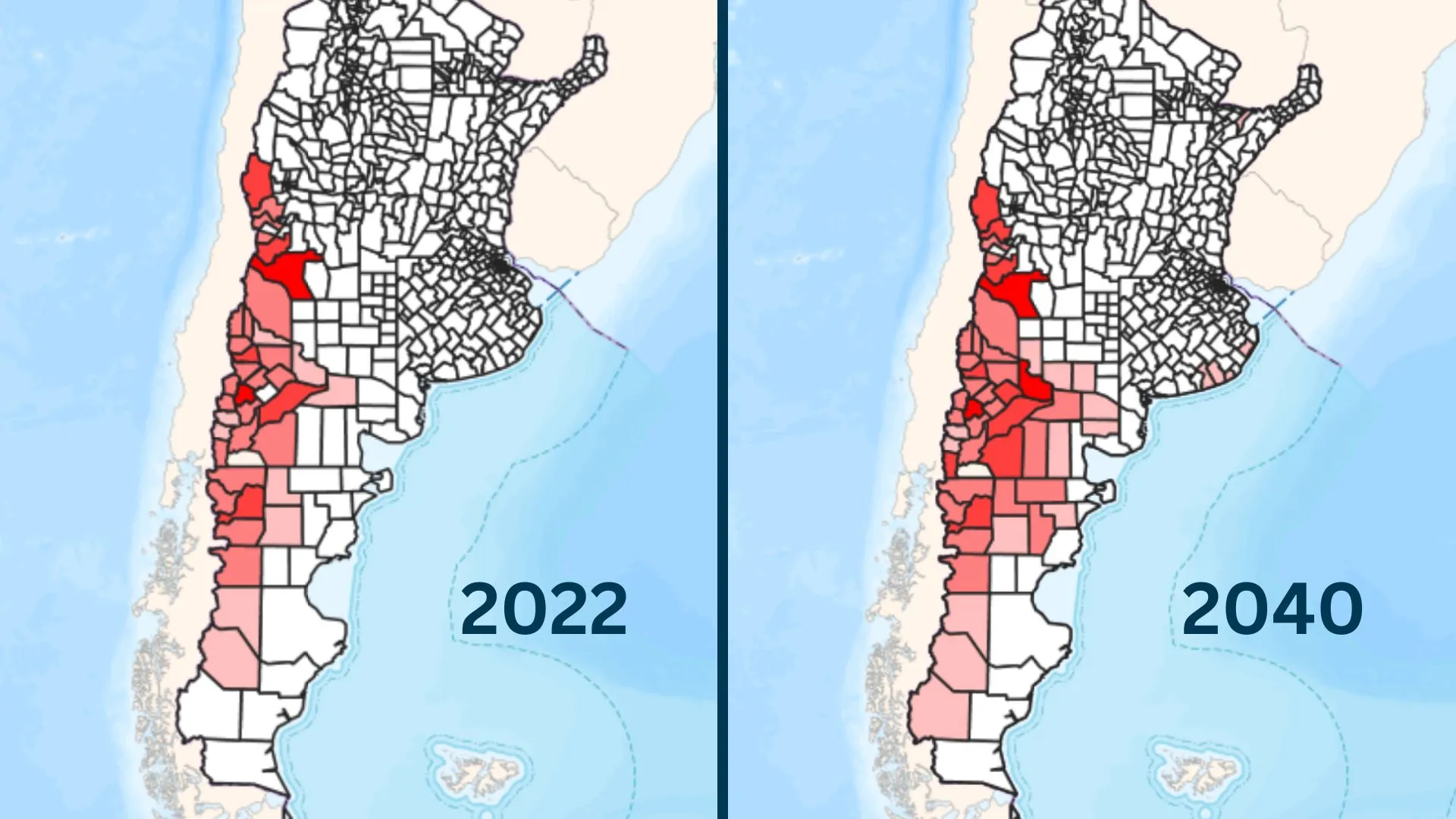
The range of the long-tailed pygmy rice rat in 2022 compared to its projected range for 2040.
The rodent species that carries the Andes virus — the germ implicated in the MV Hondius outbreak — is expected to expand its range in Argentina in upcoming years. That's due, in part, to shifts in weather patterns driven by climate change.
Other rodents that carry viruses capable of infecting people, such as arenaviruses, are also expected to expand their ranges. As these critters seed new territories, the risk of outbreaks caused by these viruses may increase, in turn.
Read more in this news analysis written by Live Science contributor Naomi Mihara.
Illinois investigates unrelated potential hantavirus case
Good morning, everyone. We're tracking the cases of hantavirus associated with the cruise ship MV Hondius and will bring you updates as they arrive.
There have been no new developments on case numbers today — they remain at nine confirmed and two suspected cases reported by the World Health Organization (WHO) yesterday (May 12).
Elsewhere, the Illinois Department of Public Health has announced it is investigating a potential hantavirus case in an Illinois resident in Winnebago County. This suspected case is unconnected to the cluster on MV Hondius, as the individual, who is not seriously ill, is reported to have been potentially exposed to the virus while cleaning a home where rodent droppings were present.
The North American hantavirus is not the same as the Andes virus implicated in the MV Hondius cluster and does not spread between people.
"Typically, we see it [hantavirus] in cases like this one, where someone was cleaning an area where rats may have dwelled, and it may have aerosolized the either urine or feces from the rat that contain[ed] the virus," Dr. Alfredo Mena Lora, an infectious-disease specialist at Saint Anthony Hospital, told ABC7 Chicago.
Between 1993 and 2023, there have been 890 cases of hantavirus disease in the U.S., of which 35% of cases were fatal. (The U.S. started surveilling hantavirus infections in 1993.) It is unclear whether its incidence is increasing in the U.S., as data covering 2024 and 2025 is currently unavailable, according to the Pan American Health Organization and the WHO.
American doctor who tested positive speaks from biocontainment unit
Dr. Stephen Kornfeld, an oncologist and MV Hondius passenger who stepped up to manage the outbreak after the ship's doctor fell ill, spoke to CNN from isolation in the biocontainment unit at the University of Nebraska Medical Center (UNMC).
Kornfeld tested "mildly positive" for hantavirus, according to the U.S. Department of Health and Human Services. (This finding came from a PCR test, which measures the amount of viral genetic material in a sample, and may have returned a result at or just below the threshold of confident detection.)
Kornfeld remains asymptomatic, but he said that in early to mid-April, he and a number of passengers on MV Hondius fell ill with "what felt like a flu," with symptoms that included night sweats, chills, mild respiratory symptoms and fatigue.
"At the time, it felt like this was just some virus," Kornfeld told CNN. "And now, in retrospect, there is a question: Could it have been hantavirus? But it's just speculation; there's no way to really know."
Though he is awaiting further test results and updates from experts at UNMC, establishing a past infection "may not be that straightforward to interpret," Kornfeld added. "So it may never be known if that illness, which others also had, was hantavirus or a typical virus that circulates through a cruise boat."
"Membership in WHO is critical": Emory epidemiologist concerned about United States' outbreak readiness
Throughout this outbreak, public health experts have expressed concern about the United States' response. They've said that the Centers for Disease Control and Prevention has been slow to share information about the outbreak domestically, and that it's not at the helm of the international containment effort, as it usually would be.
I spoke with Emory University epidemiologist Jodie Guest about her assessment of this development and what it reveals about America's overall outbreak preparedness. She said that, in the current outbreak, America's response hasn't placed the general public at increased risk of hantavirus infection, so that's the good news.
But in the long run, she's worried about whether the country will be prepared to surveil and manage outbreaks driven by far riskier pathogens.
In our chat, we also discussed the attributes of the Andes virus that make it less likely to spark a big outbreak, compared to germs like SARS-CoV-2. You can read the interview here.
Dealing with a long incubation period
Symptoms of an Andes virus infection can take a long time to show up following exposure to the germ — about seven or eight weeks, at the longest. That length of incubation is relatively uncommon, though, and more often, people develop symptoms within four to 42 days of exposure. Various factors may affect when a given person becomes symptomatic, Scientific American reported today.
One likely factor is the way the person was exposed — for example, by touching their mouth with hands contaminated with infected rat pee, breathing in bits of infected rat poop, or kissing a person with an active infection. Additionally, the amount of virus, or viral load, someone is exposed to may affect how quickly sickness sets in, with higher viral loads associated with shorter incubation periods.
The Andes virus can circulate in the blood and begin to infect cells without immediately sparking a big immune response, which may help to explain why its incubation period is so long. You can read more about how that lengthy incubation period affects outbreak management at the link above.
Hantavirus outbreak, as told in graphs and maps
CNN has released maps of where MV Hondius stopped along its journey, noting when and where various passengers disembarked and where passengers were recently repatriated. Additionally, a chart details the numbers and nationalities of passengers who disembarked at the island of St. Helena on April 24, before the ship was isolated at sea and the World Health Organization was alerted to the infection cluster.
41 people in 12 U.S. states are being monitored for hantavirus
A total of 41 people are being monitored for hantavirus in the United States, the Centers for Disease Control and Prevention (CDC) said in a Thursday afternoon news conference, according to news reports. That total is up from the previously reported 29.
The individuals being monitored include the 18 MV Hondius passengers who returned to the U.S. on May 11 via a flight from the Canary Islands. They are now at specialized facilities in Nebraska and Georgia, Dr. David Fitter, the CDC's incident manager for the hantavirus outbreak, said during the conference.
According to USA Today, the other two groups of people that Fitter identified were seven passengers who left the ship prior to the World Health Organization being alerted to the outbreak, as well as 16 people who may have been exposed to a symptomatic person on a flight between the island of Saint Helena and Johannesburg. (That symptomatic person was the second known case in the outbreak and died shortly after arrival in Johannesburg.)
Although the CDC has not released specific information about where people in these latter two groups are being monitored, various state health departments have acknowledged that they have residents being monitored for hantavirus. USA Today compiled a map of states that have provided information about individuals who have potentially been exposed to hantavirus and are being monitored. The states include Washington, California, Arizona, Texas, Nebraska, Kansas, Minnesota, Georgia, Virginia, Maryland and New Jersey. There's also a potential case in Illinois that's known to be unrelated to the cruise ship; that individual was exposed to rat droppings while cleaning.
(Note that state health departments have not specified the cities or counties these individuals are in, to maintain their privacy.)
There are currently no confirmed cases of the Andes virus — the type of hantavirus implicated in the outbreak — in the U.S., according to the CDC. There is one person in the U.S. with an inconclusive test result that bears confirmation, the WHO has said. The virus does not pose a pandemic threat, Reuters reported, and health officials and experts have emphasized the general public's risk of infection is low. Given the virus's long incubation period, however, more cases might emerge in the next month.
'Not a major transmission crisis at all': Leading epidemiologist weighs in

Renowned epidemiologist Michael Osterholm — whom Live Science has previously interviewed about infectious disease risk and pandemic preparedness — says this outbreak is unlikely to spark the world's next pandemic.
In an interview with Center for Infectious Disease Research and Policy (CIDRAP) News, Osterholm emphasized that "respiratory person-to-person transmission is not new with the Andes hantavirus." It's been observed in at least three prior outbreaks since 1996. That said, in the grand scheme, this form of transmission is a relatively rare occurrence.
"There have been over 100 cases of hantavirus in Argentina this past year and no reports of person-to-person transmission. It’s a rare phenomenon, but it happens," Osterholm said. When person-to-person spread does happen, it likely involves superspreaders who, for whatever reason, transmit the bug at high rates, he went on.
He pointed to a case in 2018 in which a woman traveled to Argentina and then back home to Delaware, carrying the Andes virus with her. This was the first confirmed case of the Andes virus in the United States. Over 50 people potentially got exposed, but none fell ill — she wasn't a superspreader. Instances like hers raise the idea that not everyone has the same risk of spreading the virus to others, Osterholm said.
Later in the interview, he noted that people are currently focused on the 42-day incubation period of the virus. But, he said, the median incubation period is 18 days, meaning about half the cases would be anticipated in the first 18 days after exposure. Based on the timeline of the cruise, that hints there's unlikely to be many more additional cases related to exposure on board the ship.
"I believe the current outbreak is not a major transmission crisis at all," Osterholm said. You can read the full interview at the link above.
Scientists to investigate outbreak's original source
A study involving 20 countries is being launched to better understand how long Andes virus persists in the human body following infection and how long people remain contagious, ABC reported Friday.
Additionally, the World Health Organization is collaborating with partners in Argentina to investigate the movements of the first cases prior to boarding MV Hondius in order to pinpoint a potential source of infection. Argentine scientists will also head to Ushuaia, the port city where the ship departed, next week to collect and test samples.
Local officials in Ushuaia haven't detected any confirmed hantavirus cases there in the past or during this current outbreak, so they aren't convinced the exposure occurred nearby, according to ABC.