
-
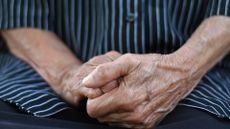 'The limits of human longevity have still not been reached,' study suggests
A new study, analyzing 450 regions in western Europe, focused on where the oldest people end up residing across the continent.
aging -
Lifespan may be 50% heritable, study suggests
A new study suggests that lifespan might be 50% heritable — although for now, it's hard to know if the finding applies across diverse populations.
aging -
 Can AI detect cognitive decline better than a doctor? New study reveals surprising accuracy
Designed to assist rather than replace doctors, a new autonomous tool scans clinical notes to highlight patients who may need urgent follow-up for cognitive decline and potential dementia.
3 Commentsaging -
 Gray hair may have evolved as a protection against cancer, study hints
Aging comes with graying hair, which may be a sign of the body lowering its risk of cancer, a study suggests.
6 Commentsaging -
 Aging and inflammation may not go hand in hand, study suggests
Declining immune responsiveness with age may be driven by changes in immune cells — not by inflammation, as previously thought.
4 Commentsaging -
 'Aging clocks' can predict your risk of disease and early death. Here's what to know.
"Biological aging tests," also called aging clocks, can predict your risk of age-related disease, disability, early mortality and more — but are they ready for prime time?
aging -
 Special protection may help human eggs stay fresh as the body ages
A new study suggests that the mitochondria in human egg cells don't accumulate DNA mutations with age, which sets them apart from other tissues in the body.
aging -
 Aging: What happens to the body as it gets older?
Discover interesting facts about what happens to the body as it ages.
2 Commentsaging -
 Brain scans could reveal your true biological age
A study suggests that a single brain MRI can be used to predict a person's rate of aging across their whole body, which researchers say could change how we predict and prevent chronic disease.
2 Commentsaging


