
-
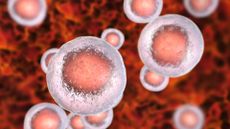 New immunotherapy could make blood more 'youthful,' mouse study hints
In mice, a new type of immunotherapy appeared to partly turn back the clock of "immune aging."
aging -
 Worldwide, the life-span gap between the sexes is shrinking
An analysis of mortality data from more than 190 countries suggests the male-female life-span gap is narrowing.
aging -
 Why multitasking is challenging for kids and older adults
A professor of developmental psychology explains why our ability to multitask changes as we age.
aging -
 Why do wrinkles form?
Wrinkles are caused by a loss of structural components in the skin, but what drives this process?
aging -
 Do ears and noses get bigger with age?
Ears and noses do increase in size as we get older, but it's due to how aging affects our tissues, rather than the growth of new tissue.
aging -
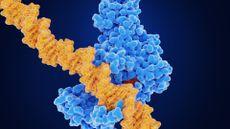 Sped-up 'biological aging' linked to worse memory
A new study suggests that a person's epigenetic "clock" may be a better predictor of how much their memory function has declined over time than their actual age.
aging -
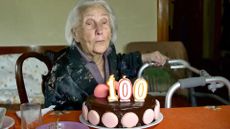 Scientists find 10 'markers' in blood that predict people's chances of reaching 100
A recent study pinpoints measurable differences in the blood of people who survived to age 100 and those who died younger.
aging -
 Why does hair turn gray?
Hair grays because pigment-producing cells get stuck within the hair follicle, research suggests.
aging -
 'Biological aging' speeds up in times of great stress, but it can be reversed during recovery
Stressful medical experiences, such as undergoing major surgery or giving birth, can accelerate age-related changes in cells that then disappear during recovery.
aging


