
-
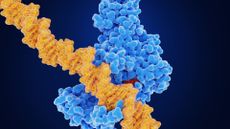 Sped-up 'biological aging' linked to worse memory
A new study suggests that a person's epigenetic "clock" may be a better predictor of how much their memory function has declined over time than their actual age.
aging -
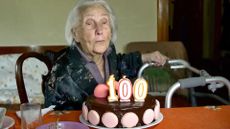 Scientists find 10 'markers' in blood that predict people's chances of reaching 100
A recent study pinpoints measurable differences in the blood of people who survived to age 100 and those who died younger.
aging -
 Why does hair turn gray?
Hair grays because pigment-producing cells get stuck within the hair follicle, research suggests.
aging -
 'Biological aging' speeds up in times of great stress, but it can be reversed during recovery
Stressful medical experiences, such as undergoing major surgery or giving birth, can accelerate age-related changes in cells that then disappear during recovery.
aging -
 Mysterious 'cryptic' molecules made by zombie cells may drive aging, scientists say
Aging cells undergo a mysterious process called "cryptic transcription," and scientists now think they know why.
aging -
 Extreme longevity: The secret to living longer may be hiding with nuns... and jellyfish
Some people live to be well beyond 100. But what genes and environmental factors contribute to such extreme longevity, and what can we learn from other long-lived animals?
aging -
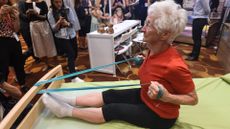 We're nowhere near reaching the maximum human life span, controversial study suggests
Human longevity records may be broken in the next few decades, a new modeling study suggests.
aging -
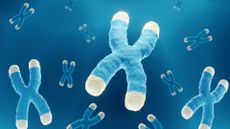 Telomeres: What are they, and how do they impact aging?
Telomeres are sections of DNA that are found at the ends of chromosomes and seem to play a role in aging.
aging -
 What are 'Blue Zones,' and do they really hold the secrets to a longer life?
Blue Zones were proposed as regions with some of the oldest people in the world, though recent studies cast some doubt on the idea. Do these regions still hold insights about longevity?
aging


