

-
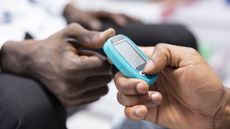 What is type 5 diabetes? Newly recognized form of the disease gets name
First spotted decades ago but largely forgotten, a newly named form of diabetes stems from undernutrition and is thought to affect millions.
2 Commentshealth -
 What's the strongest muscle in the human body?
Several muscles can claim the crown, depending on how you measure strength.
2 Commentsanatomy -
 Years of repeated head impacts raise CTE risk — even if they're not concussions
Years of hits in sports like football and soccer, even without concussions, can trigger neuron loss and inflammation in the brain, a study finds.
health -
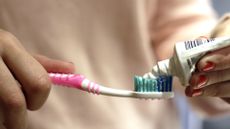 Why does your breath sometimes stink even after brushing your teeth?
You might brush twice a day but still struggle with stinky breath. Why is that?
health -
 Acne drug Accutane may restore sperm production in infertile men, early study hints
Accutane, a decades-old acne treatment, could help men with infertility produce motile sperm and avoid invasive sperm retrieval surgery, a study finds.
reproductive-health -
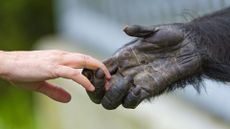 Do humans and chimps really share nearly 99% of their DNA?
The frequently cited 99% similarity between human and chimp DNA overlooks key differences in the genomes.
primates -
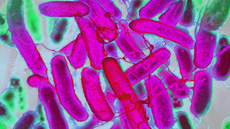 Caffeine may help bacteria resist antibiotics, study finds
A laboratory experiment suggests caffeine may boost E. coli’s antibiotic resistance. However, whether this discovery applies to real-world infections in people is not yet known.
medicine-drugs -
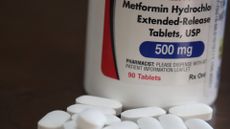 Metformin may prevent severe morning sickness
Taking the diabetes drug metformin before pregnancy may reduce the risk of debilitating morning sickness by 70%, early data hint. But a clinical trial is still needed to confirm this finding.
reproductive-health -
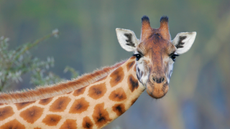 Why do giraffes have spots?
Giraffes' distinctive spots are more than just for show. So why do these tall animals have them?
land-mammals -
 Which animals can count and understand simple math?
Many animals have a sense of quantity, but they don't count or do math the way humans do.
animals -
 Scientists finally work out how Tylenol works — 130 years after we started using it
According to a new study in rats, a key byproduct of acetaminophen, called AM404, may block pain at the source before it has a chance to reach the brain.
health -
 Iron deficiency in pregnancy can cause 'male' mice to develop female organs
Low iron levels can flip the genetic switch on a mouse's sex during development, causing XY embryos to grow female features. But it's not clear whether the effect applies to humans.
3 Commentsreproductive-health -
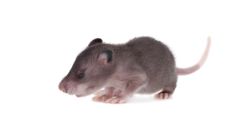 Which animal has the best sense of smell?
There are multiple contenders for the title of best smeller, but no clear winner just yet.
animals -
 Does time 'go slower' when you're exercising?
Studies find that people's perception of time really does warp during exercise, and the distraction of racing a rival does not fix this distorted perception.
exercise -
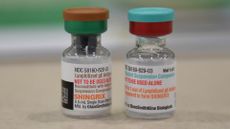 Shingles vaccine may directly guard against dementia, study hints
The lower incidence of dementia seen in adults who received the shingles vaccine is likely not just a correlation, scientists say, based on new results of an observational study.
2 Commentsalzheimers-dementia -
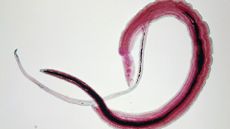 Parasitic worm raises risk of cervical cancer
A parasitic worm may raise the risk of cervical cancer through several mechanisms, scientists have found, although HPV remains the primary driver behind the disease.
2 Commentscancer -
 Why is yawning contagious?
Scientists have identified some reasons why yawns spread from person to person.
4 Commentshuman-behavior -
 Study of 9,000 twins reveals genetics influences how much you enjoy music
Genes affect different aspects of music enjoyment — from the emotional reactions that compositions evoke to the social connection music can foster.
neuroscience -
 Why do we get a 'second wind' of energy at the end of the day?
That second wave of energy is a normal part of the human circadian rhythm, but lifestyle factors also play a role.
sleep -
 Origins of schizophrenia linked to epigenetics of the placenta
Epigenetic changes in the placenta may shape how the fetal brain develops and thus influence the risk of psychiatric disorders.
genetics -
 Man gets sperm-making stem cell transplant in first-of-its-kind procedure
A man in his early 20s received a transplant of his own sperm-producing stem cells, which had been frozen since his childhood, in an attempt to regain fertility. Doctors are waiting to see if the treatment works.
reproductive-health -
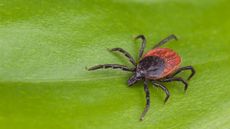 Multiple species of ticks in the US can transmit red meat allergy, CDC reports reveal
A single bite from one of several tick species can trigger a months-long meat allergy.
spiders-arachnids -
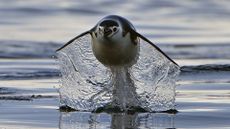 Why don't all birds fly?
Why don't some birds, like penguins, ostriches and kiwis, take to the skies?
birds -
 Why do cats make a weird face after smelling something?
"Stink face" seems silly to us, but for cats it's a serious way to gather social information through smell.
cats


