

-
 Does estrogen protect against dementia? And if so, who should take it?
Analysis Recent research hints that systemic hormone replacement therapy for menopause may reduce the risk of dementia. But more data is needed to reach a definitive conclusion, experts told Live Science.
Analysis -
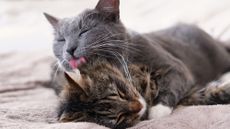 Why do cats lick each other?
Life's Little Mysteries Cats lick each other for multiple reasons, and some are more mysterious than others.
3 CommentsLife's Little Mysteries -
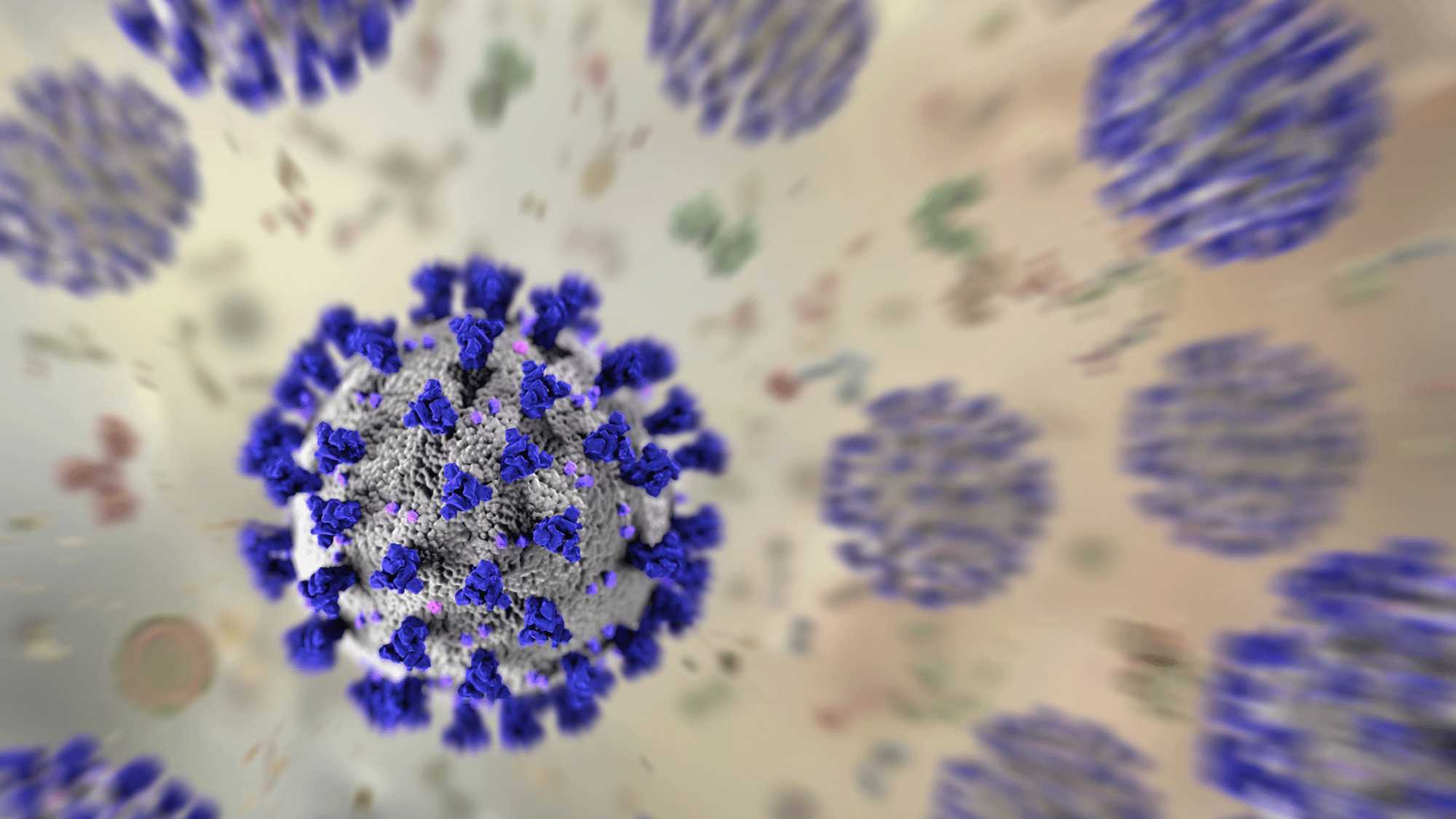 Severe COVID-19 may wake up dormant viruses and lead to lasting physical disability, study finds
Nearly half of hospitalized COVID-19 patients had a dormant virus flare back to life, and one family of viruses found in the majority of people was tied to lasting symptoms from long COVID.
viruses-infections-disease -
 What's the difference between sweet potatoes and yams?
Life's Little Mysteries Here are the main differences between yams and sweet potatoes and how to tell them apart.
2 CommentsLife's Little Mysteries -
 'Poop pills' may ease insomnia by reprogramming the gut microbiome, early study hints
Reprogramming the gut microbiome with fecal microbiota transplants could reduce the amount of time people with insomnia spend awake.
sleep -
 Cells from your mother likely infiltrated your brain in the womb, and they could survive for decades, study reveals
Maternal cells that infiltrate children's brains during pregnancy take on different jobs in the brain and may persist into old age.
genetics -
 Heart issues tied to 'microdamage' in the brain might raise risk of memory loss, study hints
When the heart's pumping function gets weaker, areas of the brain linked to memory show early signs of damage, a study finds.
heart-circulation -
 Has there ever been a period in human history without war?
Life's Little Mysteries Humans have fought countless wars over the millennia. Has there ever been a time when we weren't fighting?
Life's Little Mysteries -
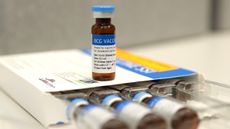 Century-old tuberculosis vaccine could help treat diabetes, trials hint. How?
Repeated doses of a tuberculosis vaccine lowered insulin needs in patients with two forms of diabetes, new trial data show. But more research is needed to prove the benefit.
medicine-drugs -
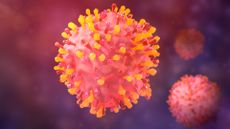 A cheap arthritis drug shows promise treating RSV in early study
An arthritis drug reduces the amount of RSV in human respiratory cells, but experts say it's too early to say if it will actually treat the common infection.
medicine-drugs -
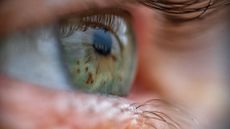 A new test could flag people at risk for anemia by filming their eyeballs — no needles required
A new needle-free technology isn't ready to replace blood draws, but it could serve as a screening tool to flag people who need a full-blown blood test.
heart-circulation -
 Are we more closely related to cats or dogs?
The answer of whether humans are more closely related to cats or dogs depends on how you look at the question.
cats -
 Sperm quality is at its peak in the summer, study finds
Seasonal shifts in behavior — not temperature — may subtly influence sperm motility. Whether this variation in sperm quality influences fertility remains to be seen.
reproductive-health -
 Synesthesia isn't just in your mind. The body reacts as if the colors were real.
Pupil size in people with synesthesia changed depending on how bright or dark the perceived colors were.
health -
 Should compulsive shopping and gaming be considered an addiction? Psychiatrists are considering expanding the definition.
Mental health professionals recognize problematic gambling as an addiction. Should the same apply to excessive gaming, compulsive sexual behavior and problematic social media use?
health -
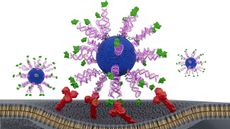 Cancer vaccine shows promise against HPV-related throat tumors in early study
If proven effective in humans, the vaccine could complement standard therapies for HPV-driven cancer, as well as inform the design of therapeutic vaccines for other diseases.
cancer -
 Men develop cardiovascular disease 7 years before women
Men's heart health tends to decline earlier in life, and the difference is driven largely by coronary heart disease, which appears roughly a decade sooner in men than in women.
2 Commentsheart-circulation -
 Wegovy now comes in pill form — here's how it works
The pill version of Wegovy seems to work just as well as the injectable form, but there are some key differences between the two formulations, experts say.
medicine-drugs -
 Why is flu season so bad this year?
Flu season in the U.S. is particularly bad this year, and a new branch of the flu family tree may be to blame.
flu -
 DNA from ancient viral infections helps embryos develop, mouse study reveals
A stretch of viral DNA in the mouse genome gives cells in early-stage embryos the potential to become almost any cell type in the body.
genetics -
 It matters what time of day you get cancer treatment, study suggests
Giving immunotherapy earlier in the day can significantly extend patients' survival, compared to giving treatment later in the day, a new study of lung cancer shows.
cancer -
 5 genetic 'signatures' underpin a range of psychiatric conditions
A study suggests psychiatric disorders can share the same genetic signatures and that they may stem from shared biological mechanisms.
9 Commentsgenetics -
 What was the loudest sound ever recorded?
Determining the "loudest recorded sound" depends on how you define sound and on which measurements you choose to include.
6 Commentsphysics-mathematics -
 Injecting anesthetic into a 'lazy eye' may correct it, early study suggests
Temporarily shutting down a "lazy eye" triggers a burst of neuronal activity that reverses the condition in animal experiments, a study shows.
neuroscience


