













13 Animal-to-Human Diseases Kill 2.2 Million People Each Year
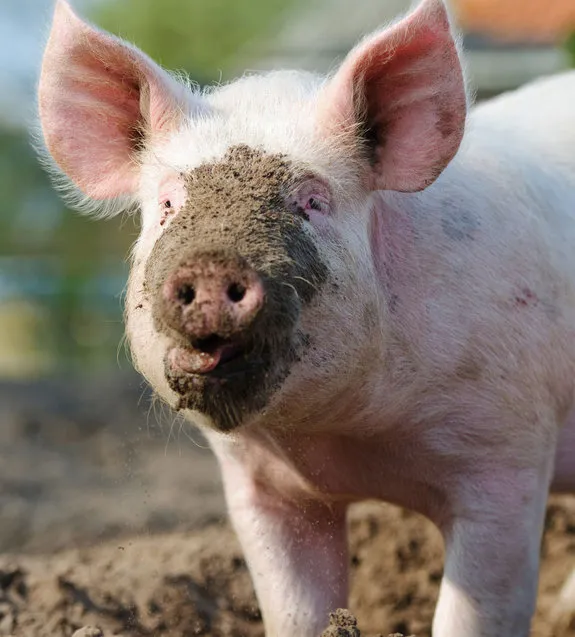
Diseases that can be transmitted between animals and humans, such as bird flu and tuberculosis, can wreak havoc on the health of both organisms. Now researchers have found 13 so-called zoonoses are responsible for 2.2 million human deaths every year.
The study, detailed this week in the report "Mapping of Poverty and Likely Zoonoses Hotspots," shows the vast majority of these illnesses and deaths occur in low- and middle-income countries. For instance, Africa's Ethiopia, Nigeria and Tanzania, along with India, had the highest rates of associated illness and death.
"From cyst-causing tapeworms to avian flu, zoonoses present a major threat to human and animal health," lead study author Delia Grace, a veterinary epidemiologist and food safety expert with the International Livestock Research Institute (ILRI) in Kenya, said in a statement. "Targeting the diseases in the hardest-hit countries is crucial to protecting global health as well as to reducing severe levels of poverty and illness among the world's 1 billion poor livestock keepers."
The new global zoonosis map, an update of one published in the journal Nature in 2008, also revealed the northeastern United States, Western Europe (particularly the United Kingdom), Brazil and parts of Southeast Asia may be hotspots of "emerging zoonoses." An emerging zoonosis is a disease that is newly infecting humans, has just become virulent, or has just become drug-resistant. [10 Deadly Diseases That Hopped Across Species]
Animal-human disease
About 60 percent of all human diseases and 75 percent of all emerging infectious diseases are zoonotic, according to the researchers. Most human infections with zoonoses come from livestock, including pigs, chickens, cattle, goats, sheep and camels.
Out of 56 zoonoses studied, the researchers found 13 that were most important in terms of their impact on human deaths, the livestock sector and the severity of disease in people, along with their amenability to agriculture-based control.
Get the world’s most fascinating discoveries delivered straight to your inbox.
These were, in descending order: zoonotic gastrointestinal disease; leptospirosis; cysticercosis; zoonotic tuberculosis (TB); rabies; leishmaniasis (caused by a bite from certain sandflies); brucellosis (a bacterial disease that mainly infects livestock); echinococcosis; toxoplasmosis; Q fever; zoonotic trypanosomiasis (sleeping sickness), hepatitis E; and anthrax.
They found many livestock were infected with these zoonoses in poor countries, where:
- 27 percent of livestock showed signs of current or past infection with bacterial food-borne disease that causes food contamination (a type of zoonotic gastrointestinal disease)
- 12 percent of animals have recent or current infections with brucellosis
- 10 percent of livestock in Africa are infected with trypanosomiasis
- 7 percent of livestock are currently infected with TB
- 17 percent of smallholder pigs show signs of current infection with cysticercosis
- 26 percent of livestock show signs of current or past infection with leptospirosis
- 25 percent of livestock show signs of current or past infection with Q fever
Dependence on livestock
Nearly three-quarters of rural poor people and about one-third of the urban poor depend on livestock for food, income, manure and other services, the researchers say.
As such, the loss of one milking animal can devastate these households, though even worse, the researchers point out, is the loss of a loved one to a zoonotic disease.
The new map of hotspots will give researchers and officials places on which to focus their efforts. The highest zoonosis burden, they found, occurs in just a few countries, particularly Ethiopia, Nigeria and India. These three countries also have the highest number of poor livestock keepers and the highest number of malnourished people.
"These findings allow us to focus on the hotspots of zoonoses and poverty, within which we should be able to make a difference," Grace said in a statement.
Follow LiveScience on Twitter @livescience. We're also on Facebook & Google+.
Jeanna Bryner is managing editor of Scientific American. Previously she was editor in chief of Live Science and, prior to that, an editor at Scholastic's Science World magazine. Bryner has an English degree from Salisbury University, a master's degree in biogeochemistry and environmental sciences from the University of Maryland and a graduate science journalism degree from New York University. She has worked as a biologist in Florida, where she monitored wetlands and did field surveys for endangered species, including the gorgeous Florida Scrub Jay. She also received an ocean sciences journalism fellowship from the Woods Hole Oceanographic Institution. She is a firm believer that science is for everyone and that just about everything can be viewed through the lens of science.