













First-Ever 5,000-Year Record of Hurricanes Compiled

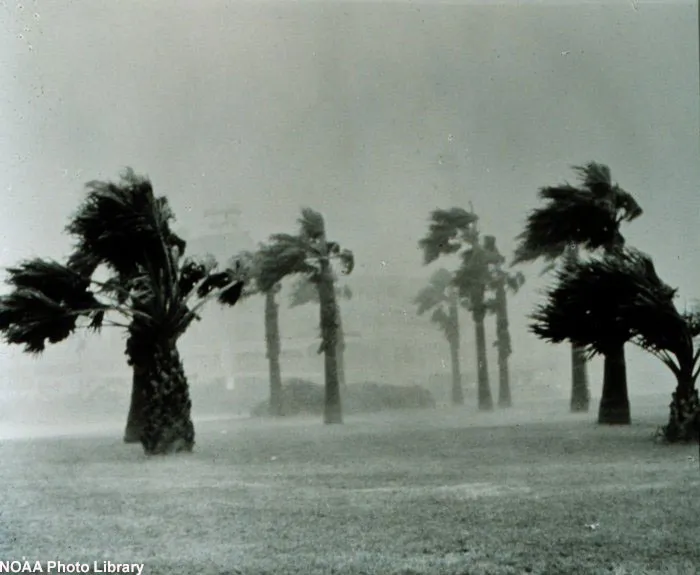
Hurricane researchers have put together the longest-ever record of hurricane strikes--going back 5,000 years--in the Atlantic, and it shows that the El Niño weather pattern plays a critical role in ramping up and tamping down intense hurricanes.
Hurricane records extend only as far back as historical texts and modern meteorological techniques have been collecting information about them, which is to say, not very far.
To extend the record past these limited sources, two geologists from the Woods Hole Oceanographic Institute in Massachusetts, in 2003, began digging up sediment cores from the bottom of Laguna Playa Grande on the Puerto Rican Island of Vieques, which is very vulnerable to hurricane strikes.
Laguna Playa Grande is usually protected and separated from the ocean during storms, but when an intense hurricane strikes, storm surges carry sand from the ocean beach over the dunes and into the lake.
Clues in the dirt
When scientists examined the sediment cores from the lake, the coarse-grained beach sand, as well as bits of shell, stood out from the lake’s normal finer-grained silt--a tell-tale signal that a hurricane struck the island at that point in history.
The 5,000-year record the researchers lifted from the dirt showed large and dramatic fluctuations in hurricane activity, with long stretches of both intense storm activity and quiet periods. The research was detailed in the May 24 issue of the journal Nature.
Get the world’s most fascinating discoveries delivered straight to your inbox.
To make sure the lulls weren’t just a result of hurricanes veering away from the island, they checked their records with previous studies of hurricane history in New York and the Gulf Coast and found that the variability in hurricane activity matched in all three places.
The team also compared their data to existing records of El Niño and other global and regional climate influences and found that the number of intense hurricanes (those with wind speeds above 111 mph) increased during years when El Niño was weak.
El Niño, characterized by warmer-than-normal waters off the Pacific coast of South America, can fuel winds that shear off the tops of hurricanes, preventing them from intensifying.
“The processes that govern the formation, intensity and track of Atlantic hurricanes are still poorly understood,” said Jeff Donnelly, one of the two scientists on the team. “Based on this work, we now think that there may be some sort of basin-wide ‘on-off switch’ for intense hurricanes.”
- 2007 Hurricane Guide
- When a Hurricane Approaches, Should I Open the Windows or Tape Them?
- New View on Hurricanes Could Yield Better Predictions
