















Hundreds of Oil-Covered Penguins Surface in South America

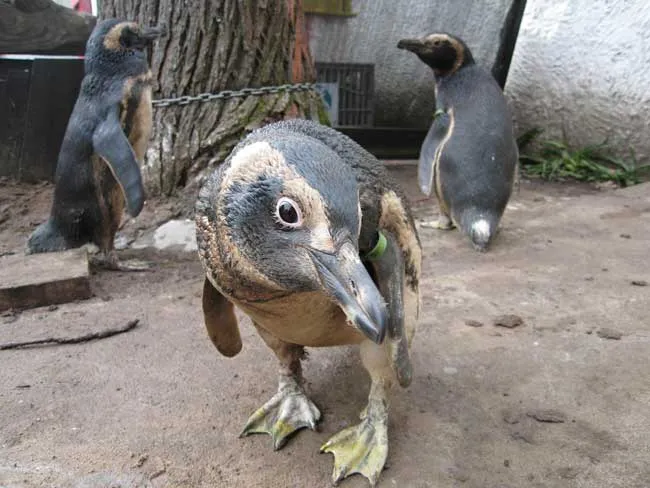
Hundreds of oil-covered Magellanic penguins have surfaced off the Atlantic coast of South America in the past few weeks, according to an animal welfare organization. Magellanic penguins are medium-sized South American penguins. The species is classified as "near threatened" because of its vulnerability to oil spills, which kill tens of thousands of the animals yearly off the coast of Argentina. Oil spills harm numerous types of marine life, including seabirds. Oil interferes with their waterproofing abilities. This forces penguins, which are birds, out of the frigid waters in a state of hypothermia, leading to dehydration and sometimes starvation. A continuous stream of oil from spills has created a chronic problem across South American waters and other parts of the world, said Rodolfo Silva of the International Fund for Animal Welfare, one of the agencies helping to treat the penguins. This week, 36 Magellanic penguins were being treated at the Society for the Conservation of Biodiversity in Maldonado (SOCOBIOMA) center in Uruguay, where more than 40 of the penguins surfaced. "After being stabilized and fed, the washing process is in full motion right now, and we expect to be able to release them back to the ocean in about 15 days or so," said Lourdes Casas of SOCOBIOMA.
- All About Penguins
- Video: Nature Presents—The End of the Earth
- Rare and Exotic Birds Image Gallery
Get the world’s most fascinating discoveries delivered straight to your inbox.

Robin Lloyd was a senior editor at Space.com and Live Science from 2007 to 2009. She holds a B.A. degree in sociology from Smith College and a Ph.D. and M.A. degree in sociology from the University of California at Santa Barbara. She is currently a freelance science writer based in New York City and a contributing editor at Scientific American, as well as an adjunct professor at New York University's Science, Health and Environmental Reporting Program.