


-
 Undetected brain infections may explain some SIDS cases
A new study points to brain infection and inflammation as a possible explanation for some cases of sudden infant death syndrome, or SIDS.
health -
 Scientists debunk myth that human brains are 'underdeveloped' at birth
Newborns' brains may look relatively smaller than those of other primate babies, but it's not because they're "underdeveloped" by comparison.
primates -
 RSV drug shortage prompts CDC to adjust recommendations
A new antibody shot called Beyfortus was recently approved to protect babies from RSV, but it's in short supply this season.
medicine-drugs -
 RSV: Symptoms, treatments, antibodies and vaccines
In healthy children and adults, RSV typically causes mild, cold-like symptoms, but it can cause more serious disease in infants, young kids and older people.
viruses-infections-disease -
 Why do some animals adopt other animals' young?
Adoptions in the animal kingdom may confer an evolutionary advantage, but other factors — such as empathy, the urge to care for babies and inexperience — could also contribute.
primates -
 'Powerful' new RSV prevention drug should be available to all infants this fall, CDC says
Come fall, a new antibody drug should be available to protect U.S. newborns and infants younger than 8 months from severe RSV infections.
medicine-drugs -
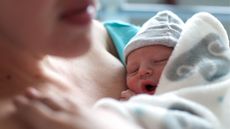 Controversial 'vaginal seeding' shows promise in small trial, but questions remain
"Vaginal seeding" may help restore the gut microbiome of cesarean-born babies, a small trial suggests. However, the practice isn't currently recommended by leading experts and previous studies have warned of its potential safety risks.
reproductive-health -
 Critically endangered hammerhead shark found dead on US beach was pregnant with 40 pups
The 14-foot great hammerhead washed ashore on a beach in Alabama. Researchers have since dissected the expectant mother but are unsure exactly what killed her.
sharks -
 In rare cases, COVID-19 infection in pregnancy can cause brain damage to fetuses
In rare cases, COVID-19 can cause fetal brain damage during pregnancy, a case report suggests.
viruses-infections-disease


