

-
 Psychedelic drug ayahuasca could treat PTSD, early studies hint. But exactly how it works isn't clear.
Using methods such as brain scans and symptom tracking, scientists are beginning to study whether a complex psychedelic brew known as ayahuasca can help rewire the brain's response to trauma.
health -
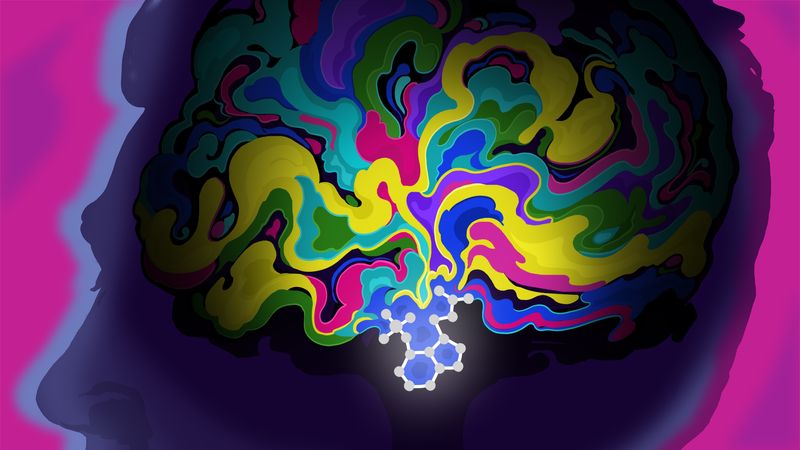 Psychedelics may rewire the brain to treat PTSD. Scientists are finally beginning to understand how.
Science Spotlight New research shows MDMA and psilocybin may restore neural flexibility in people with PTSD, thereby helping the brain unlearn fear and relearn safety.
8 CommentsScience Spotlight -
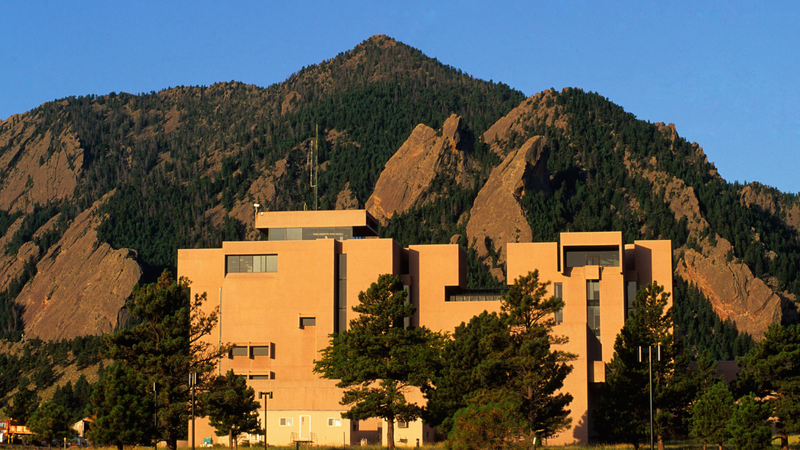 Forced closure of premier US weather-modeling institute could endanger millions of Americans
From high-wind forecasts and wildfire behavior to floods, aviation hazards, air quality and space weather, science developed at the National Center for Atmospheric Research informs decisions that aim to reduce risk.
5 Commentsplanet-earth -
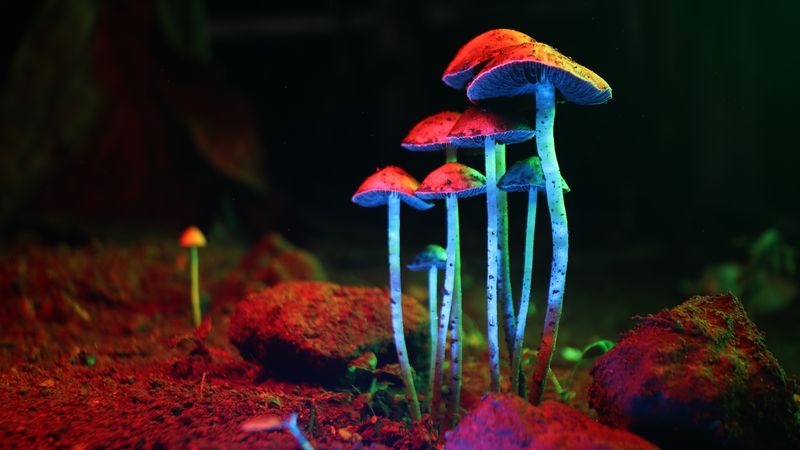 'I was floored by the data': Psilocybin shows anti-aging properties in early study
The psychedelic psilocybin, found in magic mushrooms, slows certain hallmarks of aging in human cells and older mice, a lab study suggests.
9 Commentsaging -
 Ketamine may treat depression by 'flattening the brain's hierarchies,' small study suggests
Ketamine leads to increased communication between areas of the brain that don't typically engage with each other, new research suggests.
neuroscience -
 1 psychedelic psilocybin dose eases depression for years, study reveals
Half a decade after receiving a psychedelic treatment for depression, two-thirds of patients in a new study remained in remission.
5 Commentsneuroscience -
 Bear hair and fish weirs: Meet the Indigenous people combining modern science with ancestral principles to protect the land
Science Spotlight The Heiltsuk of British Columbia are using a mix of traditional principles and modern implementation to protect salmon and bears in their territory.
Science Spotlight


