













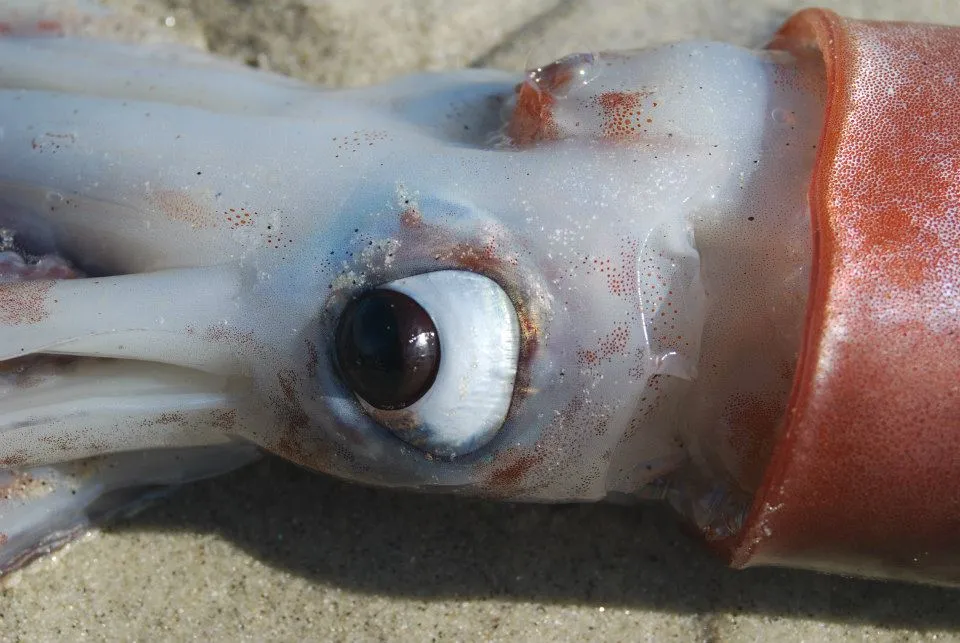
Monterey

On October 9, Humboldt squid began washing ashore en masse along coastline in Monterey County, Calif.
Mysterious Phenomenon
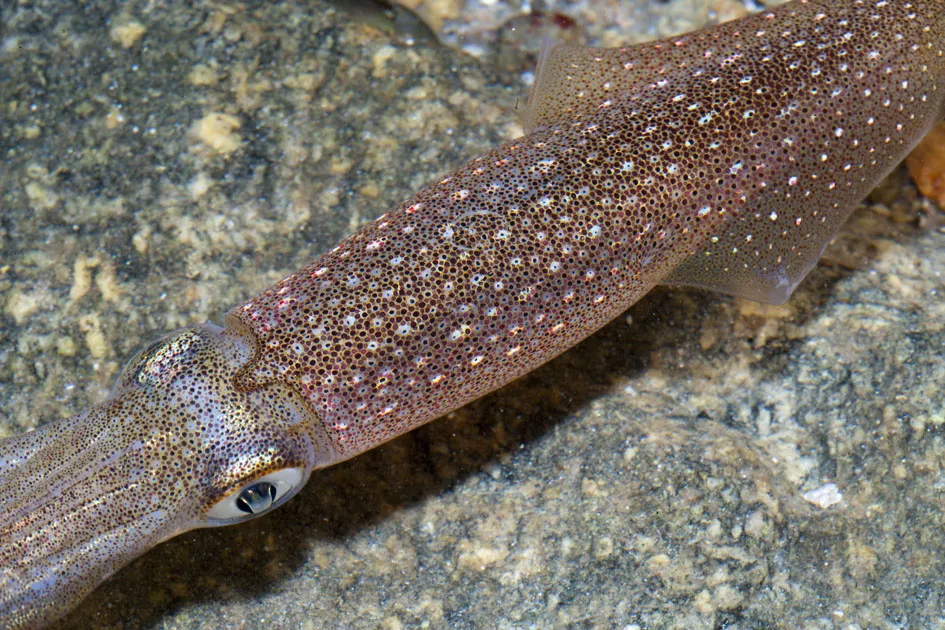
Scientists had noticed such strandings in many squid species for decades, but why they happened was a mystery
Humboldt Squid Stranding
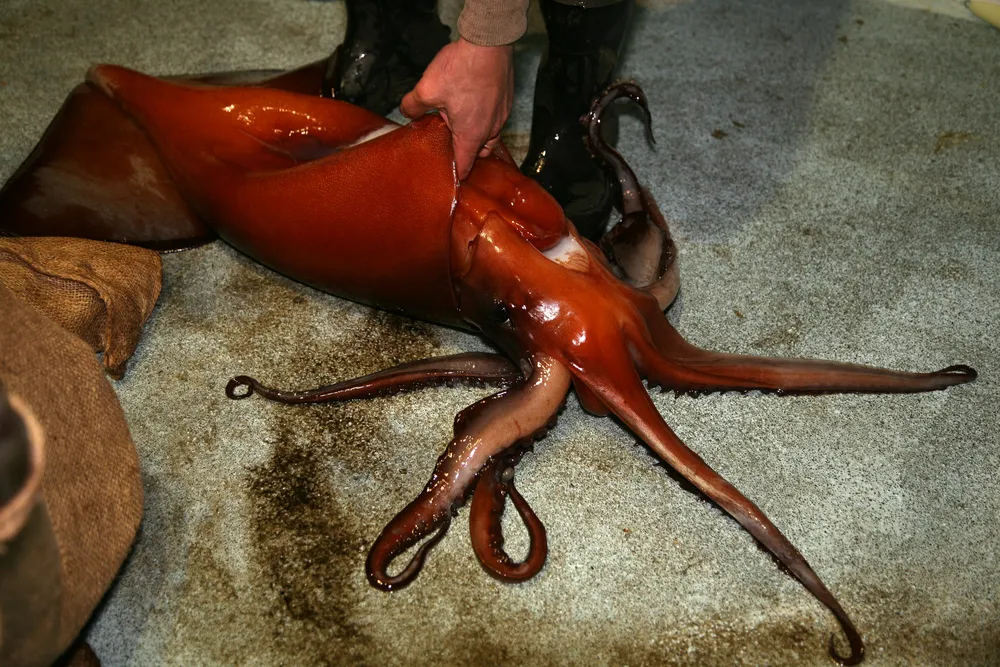
While Humboldt squid (or jumbo squid) can reach 5 feet (1.5 meters) in length, the squid washing ashore in Monterey Bay are mostly juveniles about 1-foot (0.3 meters) long.
Losing Their Way

Researchers have noticed that schools of squid tend to beach en masse when they are invading a new territory, possibly because they get lost.
Toxic Waters

But during the most recent strandings, scientists noticed that the squid beached in 3-week cycles during red tides, or poisonous algal blooms
Potent Poison

The algae release a toxic chemical called domoic acid, which causes brain cells to fire like crazy.
Drunken Squid
The timing of the red tides suggests that the squid may be intoxicated and disoriented by the neurotoxin.
Get the world’s most fascinating discoveries delivered straight to your inbox.
Newcomers To Monterey Bay

These squid haven't been seen in the Monterey Bay for a few years, which means the current crop of squid beaching themselves are unfamiliar with the area.
Dead Set For the Beach

Sometimes people will toss squid back into the water after a stranding, only to have them turn around and head right back for the beach, researchers say.
Mysterious but Normal

Beach strandings have occurred for decades and, though mysterious, probably aren't a sign of bigger problems in the environment, scientists say.
Scientists Clean Up

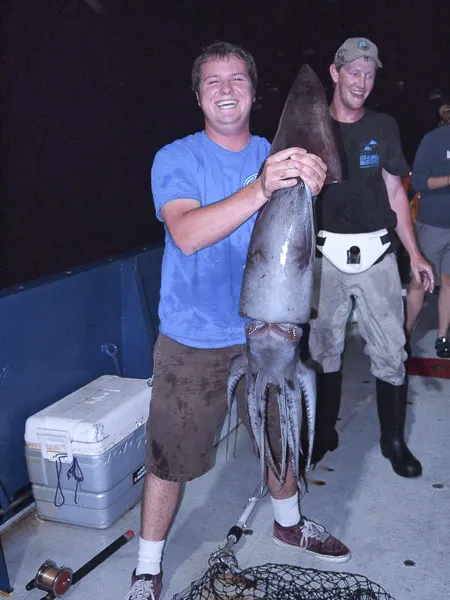
Here, marine biologist William Gilly holds a squid after a mass stranding

Tia is the editor-in-chief (premium) and was formerly managing editor and senior writer for Live Science. Her work has appeared in Scientific American, Wired.com, Science News and other outlets. She holds a master's degree in bioengineering from the University of Washington, a graduate certificate in science writing from UC Santa Cruz and a bachelor's degree in mechanical engineering from the University of Texas at Austin. Tia was part of a team at the Milwaukee Journal Sentinel that published the Empty Cradles series on preterm births, which won multiple awards, including the 2012 Casey Medal for Meritorious Journalism.