













Nokia Envisions Magnetic Tattoo to Feel Smartphone Vibrations

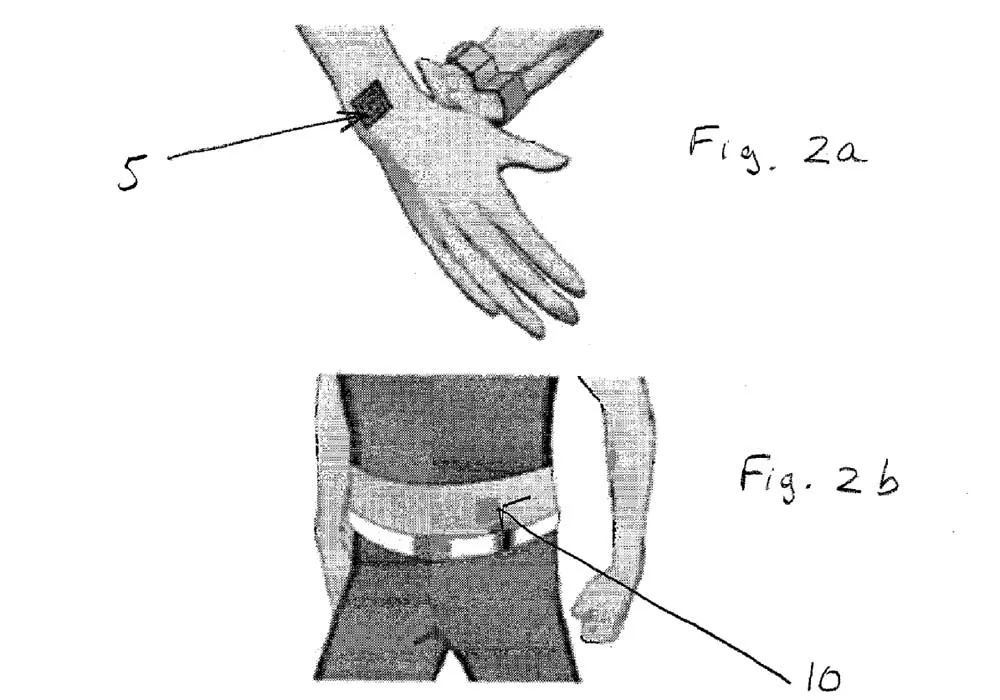
Today's best smartphones still can't alert human owners about an incoming call or text without either annoyingly loud rings or vibrations that can go unnoticed. That's why Nokia would let smartphone owners feel the vibrations on their skin through a magnetic tattoo.
The touch-based twist on cellphone alerts surfaced in a Nokia patent filing reported by UnwiredView.com. If the tattoo idea ever became reality, it could mean an end to the days when a silenced cellphone means missing calls and text messages during a movie or music concert.
Smartphone owners could specify their mobile devices to send out patterns of magnetic pulses as shorthand Morse code for different phone alerts, according to the Nokia patent filing. A series of short, strong pulses might let the owner know about messages from a certain friends, while a weaker series of long pulses might signal that the phone's battery is running low.
The skin tattoo's ink could contain permanent magnets ranging from iron to magnetite. It could even use rare earth elements — such as neodymium — used as powerful magnets for hybrid car motors and computer hard drives.
If smartphone users don't like the idea of a magnetic tattoo etched into their skin, Nokia's patent allows for other choices such as a temporary magnetic spray, stamp, sticky decal or perhaps a wristband.
Nokia even envisions the possible use of paramagnetic materials that act as magnets only in the presence of an outside magnetic field. Such tattoos could prove a better choice for people with medical implants or others who have extra sensitivity to magnetic materials.
This latest example of haptic feedback technology — based on the sense of touch — also represents another way of connecting human bodies to everyday gadgets. Past ideas for merging humans and mobile devices have included turning human skin into multitouch controllers.
Get the world’s most fascinating discoveries delivered straight to your inbox.
This story was provided by InnovationNewsDaily, a sister site to LiveScience. Follow InnovationNewsDaily on Twitter @News_Innovation, or on Facebook.
