














Doctors Shy to Tell Parents Their Kid Is Overweight

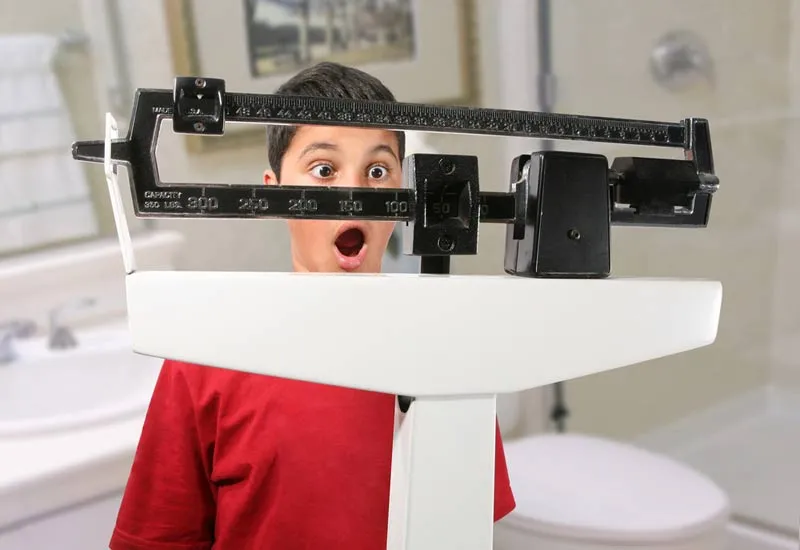
No parent wants to hear their child called fat, unless perhaps that assessment is coming not from the schoolyard but rather their family pediatrician.
However, doctors and other health professionals might be reticent to warn parents their child is overweight, according to a study published Dec. 5 in the journal Archives of Pediatrics & Adolescent Medicine. Less than a quarter of parents of overweight children recall ever being told their child had a weight problem, the study found.
The finding is worrisome, the researchers said, particularly in this era when approximately 17 percent (or 12.5 million) of U.S. children and adolescents are obese, according to data from the U.S. Center for Disease Control and Prevention. Even for parents of children who are clearly obese, only about half recall a doctor ever mentioning a weight concern.
Blind to the epidemic
The research was conducted by doctors at the University of North Carolina at Chapel Hill School of Medicine. Culling through national data collected from 1999 to 2008, a team led by associate professor Eliana Perrin analyzed the records of nearly 5,000 children ages 2 to 15 who had a body mass index (BMI) at or above the 85th percentile. By standard medical definition, children with a BMI between the 85th and 95th percentile are overweight and children with a BMI above the 95th percentile are obese.
Only 22 percent of parents with overweight or obese children remember a doctor or health professional stating that their child is too heavy. That percentage is increasing, though, rising steadily from about 19 percent in 1999 to 29 percent in 2008.
Perrin said her team could not pinpoint the reason why, even today, perhaps only a third of parents, at best, are getting the message about obesity. She said it could be doctors are hesitant to discuss the matter because of obesity's stigma. Some health professionals might be unfamiliar with BMI charting and the related definitions of overweight and obesity. Or, some doctors might not be diligent enough to make the message clear, particularly to parents who might not want to hear.
Get the world’s most fascinating discoveries delivered straight to your inbox.
Hope for improvement
That message is crucial, however, for three basic reasons, the scientists said: Various studies have shown that parents underestimate the severity of their child's weight problem; parents would more likely believe their child is too fat and be more likely to improve their child's weight if a doctor said so; and maintaining a healthy weight as a child is easier than doing so later in life, especially if the adult has a lifelong history of being overweight. [3 Steps to Cut Childhood Obesity]
One bit of good news from the study, the scientists said, is those populations most at risk for childhood obesity — African-American and non-black-Hispanic children and the poor on public health insurance — were more likely to be warned about being overweight or obese.
"While we've done better in recent years, clearly there's more work to be done," Perrin said.
Christopher Wanjek is the author of the books "Bad Medicine" and "Food At Work." His column, Bad Medicine, appears regularly on LiveScience.

Christopher Wanjek is a Live Science contributor and a health and science writer. He is the author of three science books: Spacefarers (2020), Food at Work (2005) and Bad Medicine (2003). His "Food at Work" book and project, concerning workers' health, safety and productivity, was commissioned by the U.N.'s International Labor Organization. For Live Science, Christopher covers public health, nutrition and biology, and he has written extensively for The Washington Post and Sky & Telescope among others, as well as for the NASA Goddard Space Flight Center, where he was a senior writer. Christopher holds a Master of Health degree from Harvard School of Public Health and a degree in journalism from Temple University.