

-
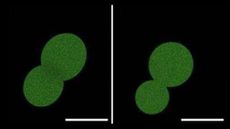 Scientists just created the most lifelike cell ever made in a lab — here's what it could accomplish
SpudCell is a new cell-like platform that can feed, grow and divide like a normal cell — but it's not yet a perfect re-creation of the real thing.
health -
 Rise in cancer in younger adults may be explained by faster 'biological aging,' early study hints
Researchers report that younger adults with older‑than‑expected biological ages are more likely to develop early‑onset lung, gastrointestinal and uterine cancers, but more research is needed.
2 Commentscancer -
 Common asthma drug helps fight hard-to-treat cancers, including aggressive breast cancers, early study finds
Scientists found that blocking a protein best known for its role in asthma enhances cancer immunotherapy in preclinical models.
cancer -
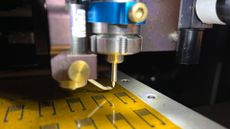 Scientists invent artificial neurons that 'talk' to real brain cells, paving way to better brain implants
Engineers have found a way to fine-tune tiny artificial neurons to fire like real brain cells.
neuroscience -
 Antiseptic-tolerant germs spread through the air in hospitals, early study hints
Trace amounts of antiseptic chemicals in hospital rooms may be driving tolerance and resistance in bacteria, a study finds.
medicine-drugs -
 Risk of death from pregnancy in the US is 44 times higher than that from abortion, new analysis reveals
A figure commonly used to compare the risk of death from pregnancy compared with the risk of death from abortion might be based on outdated data, a new study suggests.
reproductive-health -
 Tiny improvements in sleep, nutrition and exercise could significantly extend lifespan, study suggests
Combining small improvements to several areas of well-being could lead to bigger health gains than improving just one in isolation, a new study suggests.
health -
 Color blindness linked to lower bladder cancer survival, early study hints
People with color blindness may be less able to spot an early sign of bladder cancer, making them likelier to be diagnosed later, a study suggests.
5 Commentscancer -
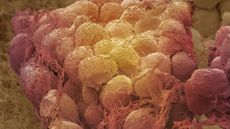 Weight loss may 'rejuvenate' fat tissues, clearing away aged cells
Weight loss is known to improve health in obesity. A new study provides clues to how: by rejuvenating fat tissue and changing fat cells' metabolism.
health -
 Drug slashes migraine days by half in early trial — and it may work with completely 'new mechanism'
The obesity drug liraglutide cut migraine days in half in a small trial, though more research is needed to exclude the placebo effect, researchers said.
medicine-drugs -
 The brain might have a hidden 'off switch' for binge drinking
Flipping the switch on fewer than 500 neurons dramatically reduces the alcohol consumption of mice. This novel finding could lead to new targets for therapeutics.
neuroscience -
 People's mental health often improves after weight-loss surgery. A study pinpoints the real reason why.
Feeling less stigma — not losing weight — was linked to better mental health and eating behaviors after bariatric surgery.
human-behavior -
 Can weight loss drugs help you drink less alcohol?
There is growing evidence that Ozempic and other GLP-1 receptor agonist drugs might help people drink less alcohol, but more research is needed.
food-drink -
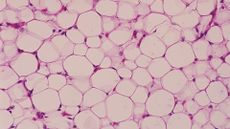 Scientists describe new type of fat in human bellies
Scientists have pinpointed and described unusual subtypes of fat cells that may help scientists explain why gut fat is linked to poor health. The research could open up new avenues for medical treatments.
anatomy -
 Man nearly guaranteed to get early Alzheimer's is still disease-free in his 70s — how?
A man who should have developed early-onset Alzheimer's disease due to a genetic mutation is still symptom-free in his 70s. Scientists are trying to understand why.
2 Commentsalzheimers-dementia -
 People who can't 'see with their mind's eye' have different wiring in the brain
People with aphantasia still generate brain activity when attempting to visualize, but that image may be getting lost in translation, a new study suggests.
9 Commentsneuroscience -
 Sperm cells carry traces of childhood stress, epigenetic study finds
Fathers exposed to high stress in childhood had different epigenetic markers that may affect their offspring, though more research is needed.
reproductive-health -
 Ozempic-like drugs may treat alcohol addiction, study finds
A study using Swedish patient data found anti-obesity drugs were linked with fewer hospitalizations related to alcohol use, adding to a body of work suggesting these drugs could potentially be used to manage addiction.
health -
 Fat cells have a 'memory' of obesity, study finds
Most people who lose weight through dieting will see it creep back up, leading to a cycle of "yo-yo dieting" that's hard on the body. A new study suggests fat cells keep a memory of previous weight gain, which may help to explain why this happens.
health -
 'Tour de force' study may explain why trauma can lead to PTSD
Stress can shape how memories are formed, a study in mice suggests. The findings could point the way to future treatments for PTSD and anxiety.
neuroscience


