

-
 East Asians who can digest lactose can thank Neanderthal genes
Unique versions of the lactase gene found in the genomes of East Asian people may have increased in prevalence within the population over time because they bolstered immune responses against pathogens, new data reveal.
neanderthals -
 When is cancer considered cured, versus in remission?
Experts explain the difference between what it means to experience cancer remission versus being cured of the disease.
cancer -
 'In that moment, that was everything to me': Patient describes joy of regaining vision in 1 eye after new stem cell therapy
A first-of-its-kind stem cell transplant has changed the life of a man who was left blind in one eye following a firework accident.
7 Commentssurgery -
 The rare genetic disorder that causes severe itchiness and liver failure
Patients with PFIC develop liver failure as a result of a buildup of a digestive fluid known as bile.
genetics -
 CDC data reveal plummeting rate of cervical precancers in young US women — down by 80%
New CDC data on falling rates of precancerous cervical lesions in the U.S. underscore the benefits of HPV vaccination.
cancer -
 New stem cell therapy could repair 'irreversible' and blinding eye damage, trial finds
A new therapy repairs corneal damage to a patient's eye using stem cells from their other, healthy eye.
surgery -
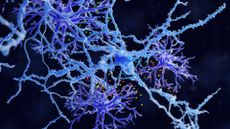 Scientists discover never-before-seen type of brain cell
A new study has pinpointed cells in the brains of mice that have the unique ability to proliferate and may help to repair damaged tissue. Scientists now need to determine if similar cells exist in human brains.
neuroscience -
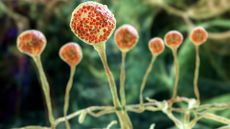 The deadly 'black fungus' infection that decimates flesh
Most people are exposed to the fungi that cause mucormycosis regularly, but in certain individuals, these microbes can cause a potentially deadly infection.
viruses-infections-disease -
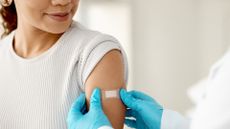 Is it too late to get a flu shot?
Is it ever too late in the season to get a flu shot? Here's what experts have to say.
viruses-infections-disease -
 Can you forget your native language?
Linguists give the lowdown on whether it is possible to forget your native language.
neuroscience -
 Norrie disease: The rare genetic disorder that makes people go blind and deaf
Only around 500 cases of Norrie disease, a genetic condition, have been reported worldwide.
genetics -
 'Speech gene' seen only in modern humans may have helped us evolve to talk
A specific gene variant seen in people is likely one of many that contributed to the development of language in modern humans, scientists say. And it changes how mice squeak.
2 Commentsneanderthals -
 US abortion bans have driven a surge in infant deaths, study finds
Researchers estimate that recent abortion bans have driven a rise in infant death rates in affected states, especially among Black children and kids with congenital anomalies.
reproductive-health -
 Scientists reveal surprising factor that may prolong pregnancy
New research suggests that people who are exposed to higher levels of air pollution and extreme temperatures during pregnancy have longer pregnancies than people who are not exposed to these conditions.
reproductive-health -
 Sex leaves 'microbial traces' on genitalia, even when a condom is used — scientists call it the 'sexome'
A new study has revealed that, during sex, male and female partners leave unique microbial "imprints" on each other, even when they use a condom.
sex -
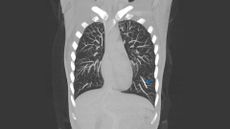 'Wandering' contraceptive implant travels to woman's lung in rare case
A woman's contraceptive implant ended up in her lung; doctors believe the device migrated because it wasn't inserted in her upper arm properly.
reproductive-health -
 New 'Camp Hill' virus discovered in Alabama is relative of deadly Nipah — the 1st of its kind in the US
A new virus related to the deadly Nipah and Hendra viruses has been detected in shrews in the U.S. However, scientists say there is currently "no evidence" that it has infected humans and the risk of it doing so is "likely low."
viruses-infections-disease -
 People with this rare genetic condition can't repair damage to their DNA
LIG4 syndrome is an exceptionally rare disorder caused by a genetic mutation that prevents the body from repairing damaged DNA.
genetics -
 'Ancient' part of the brain tells you when to stop eating, study suggests
Neurons found in one of the oldest regions of the brain may control when we stop eating a meal, new research in mice hints.
neuroscience -
 US reports 1st outbreak of 'highly pathogenic' H5N9 virus in poultry. Should we worry?
Nearly 119,000 birds have been culled at a farm in California after a bird flu called H5N9 was detected among the poultry.
3 Commentsflu -
 FDA approves ketamine-like nasal spray for depression — here's everything you need to know
A nasal spray that contains esketamine — a potent derivative of ketamine — can now be taken on its own to treat adults with severe depression, the FDA says. Here's what that means.
medicine-drugs -
 What is alkaptonuria? The rare disease that turns your pee black
Alkaptonuria is an unusual disorder caused by a defect in protein metabolism.
viruses-infections-disease -
 Can cold weather make you sick?
Exposure to low temperatures for prolonged spells can trigger an array of different health conditions, some of which may be life-threatening.
viruses-infections-disease -
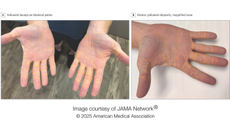 'Carnivore diet' caused yellow lumps to grow on man's hands and feet
Eight months spent following a "carnivore diet" caused a man to grow big, yellow bumps on his hands, feet and elbows.
viruses-infections-disease


