

-
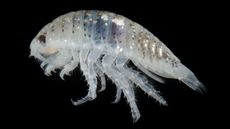 Swarms of 'mini-shark' beach bugs are on a foot-biting rampage in California
Local news reports suggest that unusually large swarms tiny foot-biting isopods on beaches around San Diego are leading to a greater number of toes being chomped on.
insects -
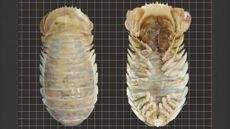 Creepy deep-sea 'vanilla Vader' woodlouse is 25 times bigger than a land louse
Scientists have identified a woodlouse relative — a 10-inch-long, creamy yellow critter called Bathynomus yucatanensis from deep in the Gulf of Mexico.
insects -
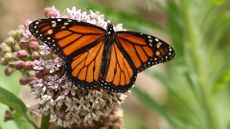 Monarch butterflies teetering ‘on the edge of collapse,’ added to endangered species list
The migratory monarch is threatened by habitat loss, pesticide and herbicide use, and climate change.
insects -
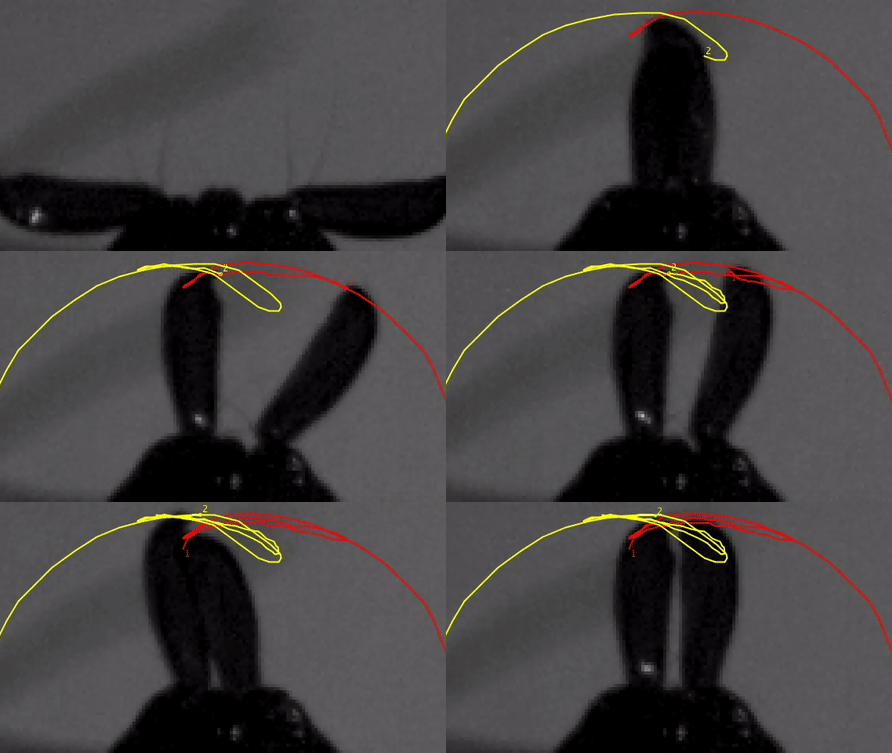 Trap-jaw ants' lightning-fast bite should rip their heads apart. Here's why it doesn't.
A unique "dual spring" powers the ant's jaws.
insects -
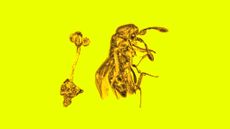 Amber tomb of 'dancing' wasp and delicate flower also hides a gruesome secret
About 30 million years ago, resin hardened around a flower and a parasitic wasp, preserving clues to their relationship in an ancient ecosystem.
insects -
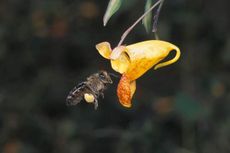 Scientists Finally Figure Out How Bees Fly
A longstanding puzzle is resolved as exotic flight mechanisms are revealed.
insects -
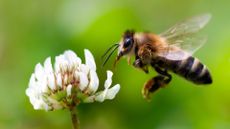 Do bees really die if they sting you?
Here's the science behind whether all bees die after stinging humans.
insects -
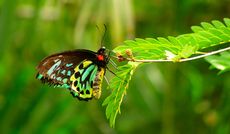 What's the difference between a moth and a butterfly?
Though related, there are key differences between them.
insects -
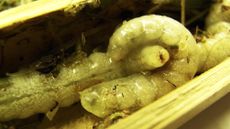 Cannibal wasp babies eat their siblings, because nature is brutal
When food starts running low in wasp larvae nurseries, the babies resort to cannibalism in order to survive.
insects


