













Plague Evolution: How a Mild Stomach Bug Became a Worldwide Killer

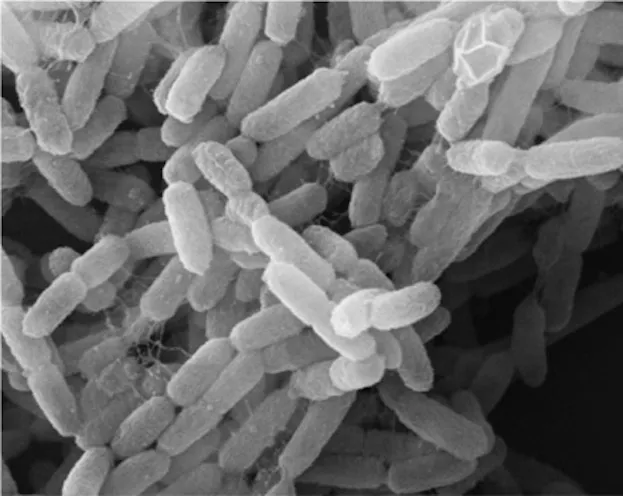
The Black Death — the dreaded plague that killed millions of people during the Middle Ages — only reached pandemic status after the bacteria that cause it acquired two pivotal mutations, a new study finds.
With the first of those mutations, ancient strains of plague bacteria (Yersinia pestis) gained the ability to cause pneumonic plague — a respiratory form of the disease that spreads easily when people infected with it sneeze around others, researchers found.
Only later did the plague genome acquire the second mutation, which gave it the ability to cause the fast-killing disease known today as bubonic plague, the researchers said in their study, published online today (June 30) in the journal Nature Communications.
Evolutionarily speaking, plague is a young pathogen, only about 5,000 to 10,000 years old, said Wyndham Lathem, senior author of the new study and an assistant professor of microbiology at Northwestern University Feinberg School of Medicine in Chicago. [Pictures of a Killer: A Plague Gallery]
Today's plague bacteria evolved from an older species called Yersinia pseudotuberculosis. These bacteria are still around today, and cause mild gut infections, Lathem said. The researchers wanted to know how today's plague bacteria, which infect the respiratory system, evolved from these older, gut-infecting relatives, Lathem told Live Science.
The researchers aligned the two genomes, as well of genomes of ancestral plague, and found a key difference: The ancestral strains lacked the gene for a certain protein, called PLA protease.
"If we take the most ancestral [sample] that is known to exist, and we give it the gene for PLA, it can suddenly cause pneumonic plague indistinguishable from modern [Y.] pestis," Lathem said.
Get the world’s most fascinating discoveries delivered straight to your inbox.
Further analysis of the strains showed that plague acquired the PLA gene sooner than the researchers had previously thought, Lathem said.
What's more, the researchers found that no additional genetic changes needed to happen in order for the bacteria to cause pneumonic plague. Although the modern strains have other genetic differences from the ancestral strains, those changes are dispensable, meaning "they're irrelevant," he said.
Plague pandemic
However, one more genetic change — a single amino acid mutation in the PLA gene — gave the plague the ability to cause pandemics, the researchers found.
Earlier studies had shown that this amino acid mutation slightly changes the activity of PLA, but that work had been done only in test tubes, Lathem said. In the new research, the researchers tested whether this mutation made a difference in the bacteria's ability to cause plague in animals, Lathem said.
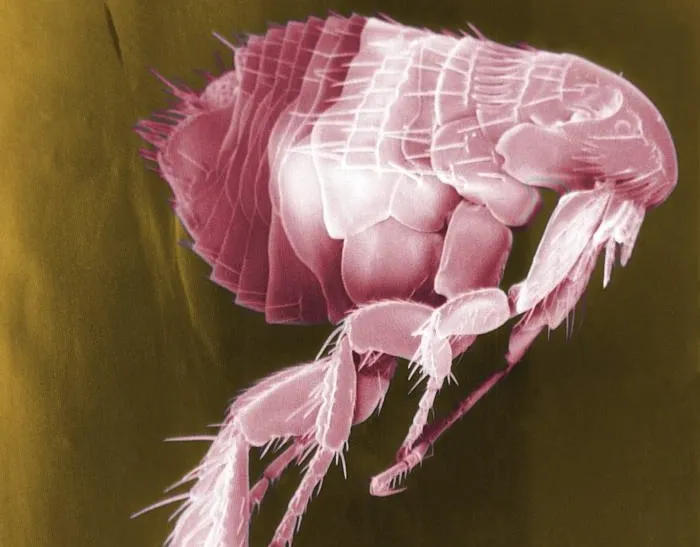
They found that plague bacteria with the amino acid change had the ability to cause the invasive infection associated with bubonic plague today. Before the amino acid mutation, the bacteria would have had a much more difficult time moving into a person's bloodstream and causing a body-wide infection, the researchers said.
"It turns out that the ancestral variant of PLA reduces the ability of the bacteria to get into the deeper tissues by about 100 times compared to the modern variant," Lathem said. "This single amino acid change was necessary for Yersinia pestis to cause modern bubonic plague." [7 Devastating Infectious Diseases]
Before the amino acid change, plague could have caused localized outbreaks. But with the new mutation, it could infect people at a fast and furious pace, causing pandemics, the researchers said.
It's unclear when the amino acid change happened, but it was sometime before the first reported plague pandemic, which struck the Byzantine Empire in the 6th century A.D., Lathem said.
By understanding the evolution of Yersinia pestis, researchers may be better able to predict how other diseases may change, the researchers said. Moreover, plague still infects about seven people annually in the United States, typically in the semirural areas of New Mexico, Arizona, Colorado and California, according to the Centers for Disease Control and Prevention.
"It still endemic here in the United States," Lathem said. "It's still circulating out here in the wild."
Follow Laura Geggel on Twitter @LauraGeggel. Follow Live Science @livescience, Facebook & Google+. Original article on Live Science.

Laura is the managing editor at Live Science. She also runs the archaeology section and the Life's Little Mysteries series. Her work has appeared in The New York Times, Scholastic, Popular Science and Spectrum, a site on autism research. She has won multiple awards from the Society of Professional Journalists and the Washington Newspaper Publishers Association for her reporting at a weekly newspaper near Seattle. Laura holds a bachelor's degree in English literature and psychology from Washington University in St. Louis and a master's degree in science writing from NYU.