













What Is Mustard Gas?
Mustard gas, or sulfur mustard (Cl-CH2CH2)2S, is a chemical agent that causes severe burning of the skin, eyes and respiratory tract. It can be absorbed into the body through inhalation, ingestion or by coming into contact with the skin or eyes.
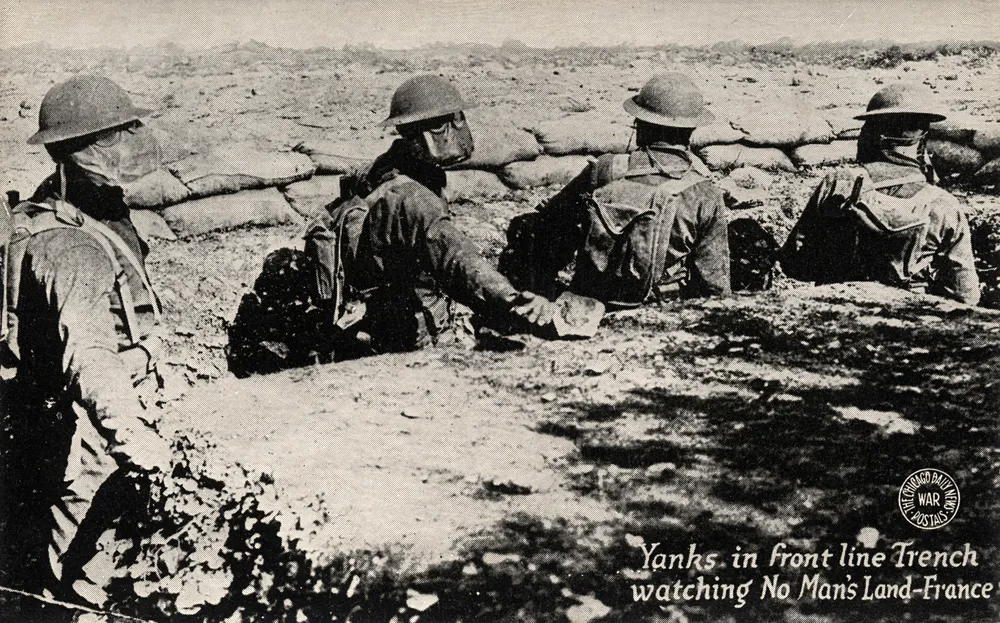
First used during World War I, the gas is effective at incapacitating its victims en masse. Sulfur mustard is generally colorless in its gaseous state, though it may have a faint yellow or green tint. It's most easily recognized by its trademark "mustardy" odor, though some compare its smell to that of garlic, horseradish or sulfur.
The gas is a vesicant, or blister-agent, causing redness and itching of the skin that results in yellow, pus-filled blisters. Because mustard gas strips away the mucous membranes of the eyes, nose and respiratory tract, victims may also experience irritation of the eyes, temporary blindness, runny nose, cough, shortness of breath and sinus pain. The digestive tract is also affected, resulting in abdominal pain, diarrhea, fever and vomiting.
Unlike chemical nerve agents such as organophosphates or sarin gas, which immediately incapacitate victims, mustard gas victims typically don't exhibit symptoms of poisoning until 12 to 24 hours after exposure. However, higher concentrations of the gas can cause symptoms to develop within one to two hours.
Exposure to mustard gas is usually not lethal and most victims recover from their symptoms within several weeks. Some, however, remain permanently disfigured as a result of chemical burns or are rendered permanently blind. Others develop chronic respiratory diseases or infections, which can be fatal. And because mustard gas damages the DNA in human cells, recovered victims are at greater risk for developing certain cancers. Pregnant women exposed to the gas have an increased risk of delivering a baby with birth defects or cancer.
In 1993, the United Nations adopted the Chemical Weapons Convention to ban the use of mustard gas and other chemical agents in warfare, though mustard gas has been linked to conflicts as recent as the ongoing civil war in Syria.
Follow Elizabeth Palermo on Twitter @techEpalermo or on Google+. Follow LiveScience @livescience. We're also on Facebook & Google+.
Get the world’s most fascinating discoveries delivered straight to your inbox.