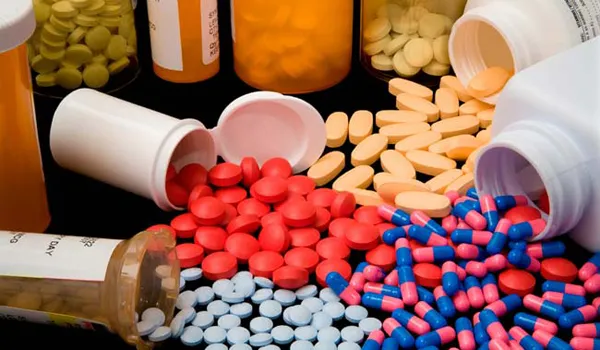
Placing those old unused prescriptions that have piled up in your medicine cabinet in the trash is the least harmful way to get rid of them, a new study suggests.
Take-back and incineration programs are expensive, create emissions, and not many people know about them or use them, so that's not the best choice, the study found. And flushing old drugs down the toilet introduces harmful chemicals directly into the water supply and the environment.
"National policy seems to be changing to support take-back programs, and we don't know if that's justified," study researcher Sherri Cook, of the University of Michigan, said in a statement.
Latest Videos From
The study, published April 11 in the journal Environmental Science & Technology, found that dumping old or unneeded medications in the trash can may be the best way to reduce the environmental impact of the 200 million pounds of pharmaceuticals that go unused in the U.S. each year.
To avoid the risks of abuse and accidental poisoning, as well as other problems that unused, unwanted or expired pharmaceuticals pose, they shouldn't be kept in homes. If thrown away or flushed down a toilet, however, antibiotics, hormones and other drugs can get into lakes, rivers and other water supplies, where they can affect humans and animals, the researchers said.
While some places in the United States have recently started take-back programs, in which pharmacies collect unneeded drugs and incinerate them with other medical waste, this burning and transportation produces greenhouse gases and other pollution. In most cases today, the FDA recommends throwing old pills away, but only if you don't have access to a take-back program.
The new evaluation shows that, considering the impacts of each drug disposal method, trash disposal may be the best option in the U.S. Flushing unwanted drugs puts more drug compounds into the environment. Incineration of drugs taken back to a pharmacy could significantly reduce releases to the environment, but the authors note that take-back programs often have limited participation and could have major financial costs.
"Nobody has ever added up all the emissions associated with disposing of medication," study researcher Steve Skerlos, also of the University of Michigan, said in a statement. "When you look at the available evidence to support take-back, it just doesn't add up."
A national program to take back and incinerate old drugs could cost $2 billion each year. A national participation rate of 50 percent in a take-back program, considered to be a high level of participation, would reduce releases of drugs by 93 percent, which is only five percent more than 100 percent participation in trash disposal.
The researchers encourage policymakers to focus on getting more people to get rid of medicines by trash, rather than take-back. "Trashing unused medications reduces the consumer's inconvenience relative to take-back, and if there is a clear message perhaps we could increase the percentage of people putting them in the trash," Cook said.
When discarding pills in the trash, the FDA recommends mixing them with an unpalatable substance such as coffee grounds in a plastic bag. This helps to deter would-be abusers from picking them out of the garbage.

 Live Science Plus