Livescience Livescience
Sign in
  • View Profile
  • Sign out
  • Animals
    • Aquatic animals
      • Fish
      • Sharks
      • Mollusks
      • Octopuses
      • Squids
    • Reptiles, amphibians, insects and arachnids
      • Reptiles
      • Snakes
      • Turtles and tortoises
      • Lizards
      • Amphibians
      • Alligators and crocodiles
      • Spiders and other arachnids
      • Insects
    • Mammals
      • Bears
      • Cats
      • Dogs
      • Elephants
      • Primates
      • Dolphins
      • Orcas
      • Whales
    • Birds
    • Extinct species
      • Dinosaurs
      • Mammoths
  • Archaeology
    • Human evolution
      • Neanderthals
    • Regions
      • The Americas
      • Ancient China
      • Middle East
    • Cultures
      • Romans
      • Vikings
      • Ancient Egyptians
  • Health
    • The human body
      • Aging
      • Allergies
      • Anatomy
      • Exercise
      • Food and drink
      • Genetics
      • Heart and circulation
      • Immune system
      • Medicine and drugs
      • Neuroscience
      • Reproductive health
      • Sex
      • Sleep
      • Surgery
    • Viruses, infections and disease
      • Alzheimer's and dementia
      • Bacterial and fungal infections
      • Cancer
      • Coronavirus
      • Flu
      • HIV
    • Human behavior
      • Arts and entertainment
      • Conspiracies and paranormal
      • Education
      • Psychology
    • Mathematics
    • Particle physics
    • Quantum physics
    • Chemistry
  • Planet Earth
    • Earth science
      • Earthquakes
      • Volcanoes
      • Weather
      • Geology
    • Climate change
      • Fossil fuels
      • Nuclear energy
      • Renewable energy
      • Antarctica
      • Arctic
    • Nature
      • Plants
      • Rivers and oceans
      • Evolution
  • Space
    • Astronomy
      • Asteroids
      • Black holes
      • Comets
      • Cosmology
      • Meteoroids
      • Exoplanets
    • The solar system
      • The sun
      • The moon
      • Mercury
      • Venus
      • Mars
      • Jupiter
      • Saturn
      • Uranus
      • Pluto
    • Space exploration
      • Extraterrestrial life
      • Stargazing
      • NASA
      • Space photo of the week
  • Technology
    • Artificial intelligence
    • Communications
    • Computing
    • Mixed reality
    • Quantum computing
    • Electric vehicles
    • Engineering
    • Electronic engineering
    • Robotics
    • Products
      • Health and fitness
      • Optics
      • STEM toys and games
      • Tech and gadgets
    • By type
      • News
      • Features
      • Opinion
      • Interviews
    • More
      • About us
      • Newsletters
      • Follow us
      • Archive
  • home
  • Animals
    • View Animals
    • Aquatic animals
      • View Aquatic animals
      • Fish
      • Sharks
      • Mollusks
      • Octopuses
      • Squids
      • Reptiles
      • Snakes
      • Turtles and tortoises
      • Lizards
      • Amphibians
      • Alligators and crocodiles
      • Spiders and other arachnids
      • Insects
      • Bears
      • Cats
      • Dogs
      • Elephants
      • Primates
      • Dolphins
      • Orcas
      • Whales
    • Birds
    • Extinct species
      • View Extinct species
      • Dinosaurs
      • Mammoths
  • Archaeology
    • View Archaeology
    • Human evolution
      • View Human evolution
      • Neanderthals
      • The Americas
      • Ancient China
      • Middle East
      • Romans
      • Vikings
      • Ancient Egyptians
  • Health
    • View Health
      • Aging
      • Allergies
      • Anatomy
      • Exercise
      • Food and drink
      • Genetics
      • Heart and circulation
      • Immune system
      • Medicine and drugs
      • Neuroscience
      • Reproductive health
      • Sex
      • Sleep
      • Surgery
      • Alzheimer's and dementia
      • Bacterial and fungal infections
      • Cancer
      • Coronavirus
      • Flu
      • HIV
    • Human behavior
      • View Human behavior
      • Arts and entertainment
      • Conspiracies and paranormal
      • Education
      • Psychology
    • Mathematics
    • Particle physics
    • Quantum physics
    • Chemistry
  • Planet Earth
    • View Planet Earth
      • Earthquakes
      • Volcanoes
      • Weather
      • Geology
    • Climate change
      • View Climate change
      • Fossil fuels
      • Nuclear energy
      • Renewable energy
      • Antarctica
      • Arctic
      • Plants
      • Rivers and oceans
      • Evolution
  • Space
    • View Space
    • Astronomy
      • View Astronomy
      • Asteroids
      • Black holes
      • Comets
      • Cosmology
      • Meteoroids
      • Exoplanets
    • The solar system
      • View The solar system
      • The sun
      • The moon
      • Mercury
      • Venus
      • Mars
      • Jupiter
      • Saturn
      • Uranus
      • Pluto
    • Space exploration
      • View Space exploration
      • Extraterrestrial life
      • Stargazing
      • NASA
      • Space photo of the week
  • Technology
    • View Technology
    • Artificial intelligence
    • Communications
    • Computing
    • Mixed reality
    • Quantum computing
    • Electric vehicles
    • Engineering
    • Electronic engineering
    • Robotics
    • Products
      • View Products
      • Health and fitness
      • Optics
      • STEM toys and games
      • Tech and gadgets
      • News
      • Features
      • Opinion
      • Interviews
      • About us
      • Newsletters
      • Follow us
      • Archive
  • Sign up for our newsletters Newsletter
  • RSS
    Trending
    • Ebola outbreak
    • James Webb finds megastructures
    • Why kids eat their boogers
    • What counts as 'close contact'?

    When you purchase through links on our site, we may earn an affiliate commission. Here’s how it works.

    CRISPR

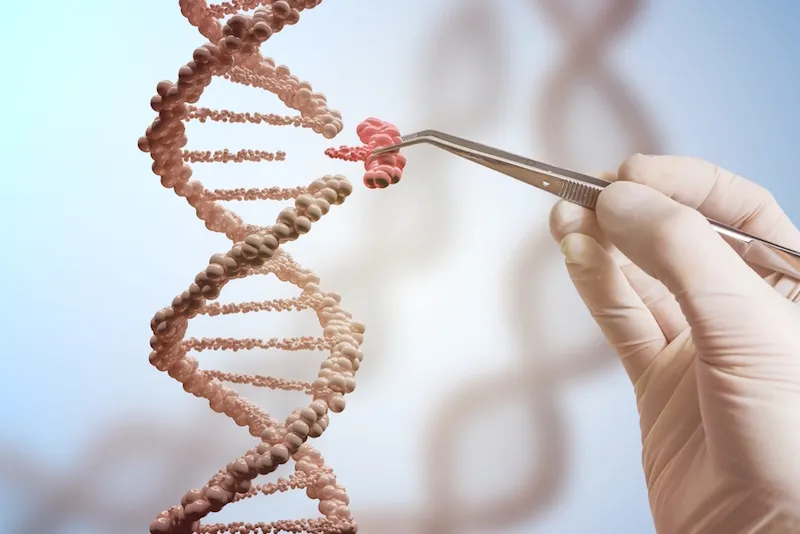
    An diagram shows the concept of editing a gene.
    (Image credit: vchal/Shutterstock)
    By Jeanna Bryner
    published 21 February 2018
    Red Cas9 nuclease protein, CRISPR
    Powerful DNA 'Editing' Has Arrived, Are We Ready for It?

    Opinion CRISPR/Cas is a new technology that allows unprecedented control over the DNA code. The gene editing technique also raises concerns.

    Opinion
    • DNA helix, genetics
      Genetically Modified Humans? How Genome Editing Works

      Chinese scientists have edited the genomes of human embryos for the first time, confirming a storm of rumors and igniting an ethical debate, news outlets reported yesterday.

      By Tanya Lewis Published 24 April 15

    • Engineering DNA, genetics
      Are Tools for Tweaking Embryonic Cells Ethical? (Op-Ed)

      Opinion A group of leading biologists earlier this month called for a halt to the use of a powerful new gene editing technique on humans.

      By Shouguang Jin Published 27 March 15

      Opinion
    1 2 3 4 5 6 7 8 9
    Useful links
    Feed your curiosity
    • Life's Little Mysteries
    • Earth from space
    • Diagnostic dilemmas
    • Astonishing artifacts
    Grow your knowledge
    • Jaw-dropping James Webb Space Telescope images
    • Amazing women in science and math
    • Explore the periodic table of elements
    • Uncanny facial reconstructions from history
    Science in your life
    • Science quizzes and games
    • Beginner's guide to wildlife photography
    • The best telescopes for spotting stars and planets
    • Mind-blowing science facts
    Ls Logo

    Live Science is part of Future US Inc, an international media group and leading digital publisher. Visit our corporate site.

    Add as a preferred source on Google Add as a preferred source on Google
    • Accessibility Statement
    • Contact Future's experts
    • About Us
    • Terms and conditions
    • Privacy policy
    • Cookies policy
    • Advertise with us
    • Web notifications
    • Careers
    • Editorial standards
    • How to pitch a story to us

    © Future US, Inc. Full 7th Floor, 130 West 42nd Street, New York, NY 10036.

    Please login or signup to comment

    Please wait...