

-
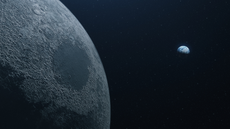 A SpaceX rocket will hit the moon at 5,000 mph tonight. Here's what to expect.
An upcoming collision of a Falcon 9 rocket part with the moon may be visible from Earth with telescopes, new research suggests. Here's what scientists and skywatchers are hoping to see.
the-moon -
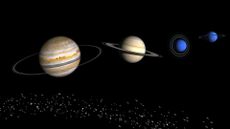 2 vanished 'super Earths' once orbited near Uranus and Neptune, new study hints
Our solar system may have hosted up to six giant planets in its first hundred million years, a new study suggests. The findings paint a more crowded picture of the early outer solar system than previously thought.
planets -
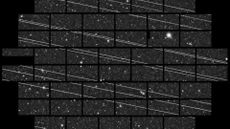 The night sky could get three times brighter as new satellites launch
Extremely bright satellites and megaconstellations could make the night sky up to three times brighter than it is now, a new study warns. This would seriously hinder astronomical imaging devices, like the enormous camera at the Vera C. Rubin Observatory.
astronomy -
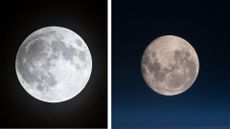 Does the moon look the same from everywhere on Earth?
The moon's orientation changes quite dramatically across time and between places, largely due to differences in perspective.
2 Commentsthe-moon -
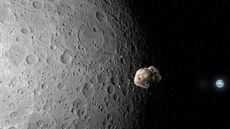 Asteroid 2024 YR4's collision with the moon could create a flash visible from Earth
If the building-size asteroid 2024 YR4 crashes into the moon in December 2032, the impact will produce a bright flash that may be visible to the naked eye, a new study finds.
3 Commentsasteroids -
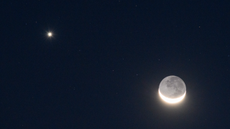 Why is Venus so bright?
The "morning star" is bright because of several factors, including having an atmosphere filled with sulfuric acid.
2 Commentsvenus -
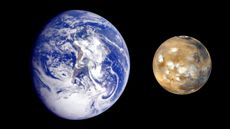 Time moves faster on Mars, posing new challenges to crewed missions
Clocks on Mars tick faster by about 477 microseconds each Earth day, a new study suggests. This difference is significantly more than that for our moon, posing potential challenges for future crewed missions.
33 Commentsmars -
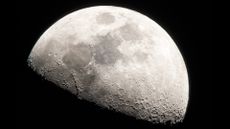 Scientists finally find explanation for lopsided cloud that follows Earth's moon through space
The moon's oddly skewed dust cloud may be caused by an extreme day-night temperature difference, a new study suggests.
the-moon -
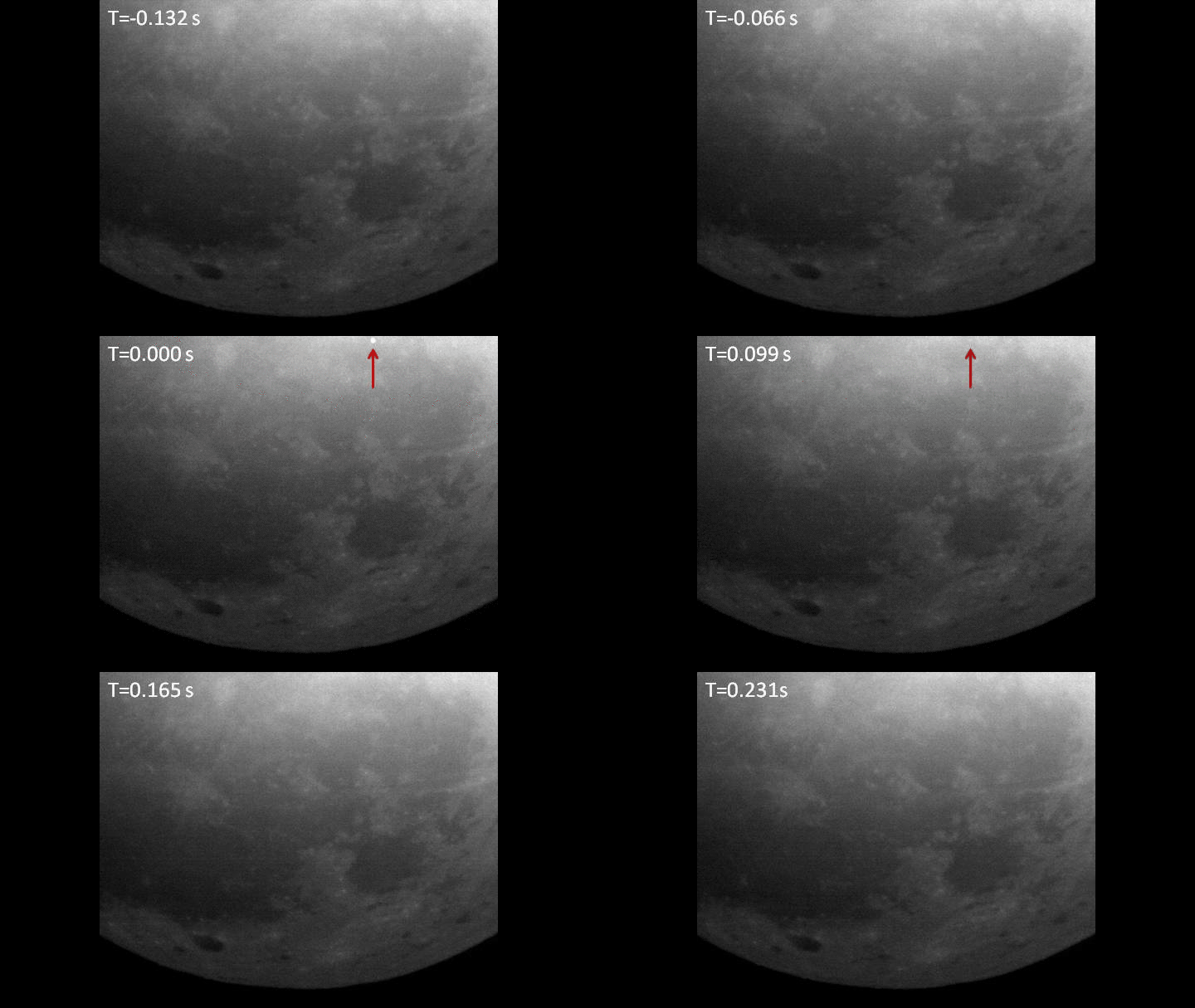 What are the mysterious lights sometimes seen on the moon?
Earth's moon is occasionally illuminated by flickers, glows or beams of light. What are these mysterious lights?
2 Commentsthe-moon -
 $100,000 quadrillion asteroid Psyche may be the product of metal volcanoes, study hints
The metal-coated asteroid Psyche may have had eruptions of molten iron and nickel on its surface. This situation was more likely if the space rock is made of the same chemicals as metal-rich meteorites, a new study suggests.
3 Commentsasteroids -
 Skyscraper-size spikes of methane ice may surround Pluto's equator
Giant, ridge-like structures of methane ice, known as "bladed terrain," may be much more abundant along Pluto's equator than previously realized, a new study suggests.
pluto -
 Scientists detect gargantuan 'pimple' that has plagued a star for at least 7 years
A transiting exoplanet has revealed a huge "spot" near the pole of its tiny M-dwarf parent star. The spot has been around at least 7 years and occupies 7% of the sun's surface.
astronomy -
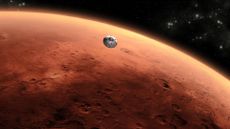 Mystery of Mars' missing water could be solved by the planet's tipsy tilt
Mars has lost immense amounts of water over it lifetime, and scientists aren't sure exactly how. New research hints that the planet's violently varying tilt may be a key factor.
mars -
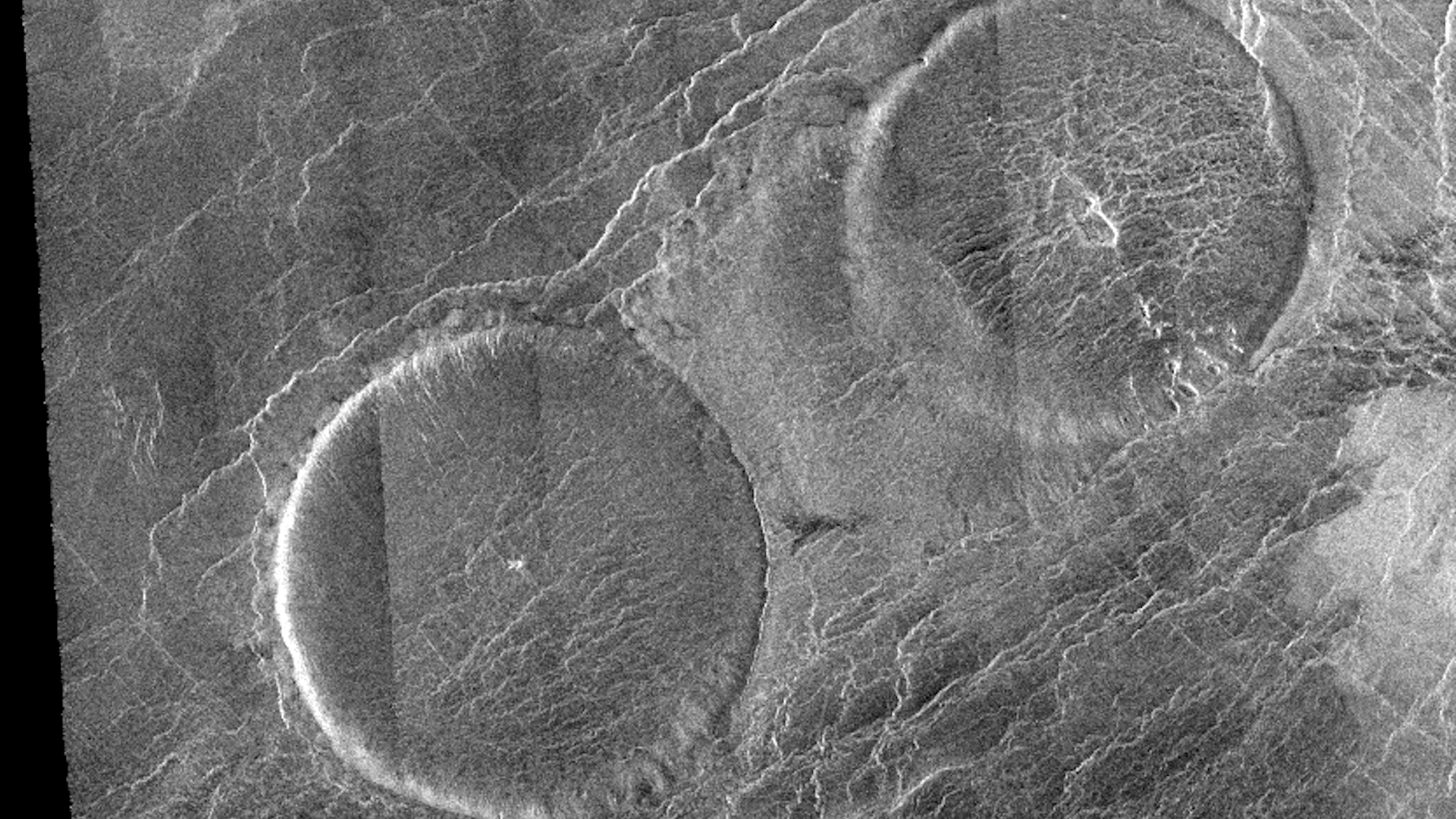 Hold the syrup: Weirdly perfect 'pancakes' on Venus may prove the planet is buckling
A study suggests that Venus' volcanic "pancake domes" push the planet's crust down, forming bulges toward the surface. This could explain a decades-old mystery.
venus -
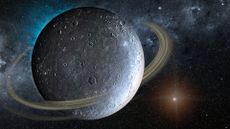 Earth's moon could've had Saturn-like rings, new study hints
A new study implies that in the past, moons in our solar system may have had rings just like planets do — deepening the mystery of why no ringed moons exist today.
the-moon -
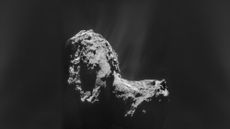 Comets played a 'major' role in making life on Earth possible, new study hints
A reanalysis of the data from the "rubber-ducky" comet 67P, collected nearly a decade ago, suggests comets may have deposited a lot more water on Earth than scientists previously thought.
comets -
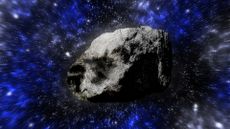 'God of chaos' asteroid may be transformed by tremors and landslides during 2029 flyby of Earth, study finds
When the 'God of chaos' asteroid Apophis makes an ultraclose flyby of Earth in 2029, our planet's gravity may trigger tremors and landslides that totally change the asteroid's surface.
asteroids -
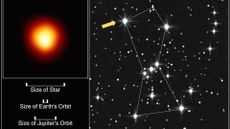 Betelgeuse, Betelgeuse? One of the brightest stars in the sky may actually be 2 stars, study hints
Betelgeuse, one of the brightest stars in the sky, may have a secret sunlike companion that drives the star’s mysterious six-year-long "heartbeat," new research suggests.
astronomy -
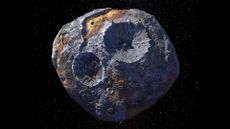 $100,000 quadrillion asteroid Psyche may be rusting, James Webb telescope reveals
A new James Webb Space Telescope analysis of the giant, metal-rich asteroid Psyche reveals signs of hydration in the form of rust. This could help pin down the mysterious rock's origins.
asteroids -
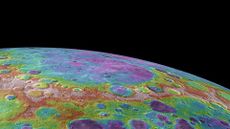 9-mile-thick layer of solid diamonds may lurk beneath Mercury's surface, study hints
New simulations suggest that a 9-mile-thick layer of solid diamonds may lurk deep below the surface of Mercury. The gems almost certainly can't be mined for bling — but they may help solve some of the planet's biggest mysteries.
mercury -
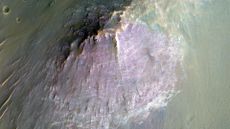 The speed of sound on Mars is constantly changing, bizarre study finds
New research shows that the speed of sound on Mars varies considerably by location and temperature. The findings could help scientists understand sounds picked up by Martian rovers, as well as make future crewed ventures safer.
mars -
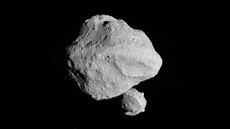 'Dinky' asteroid imaged by NASA has ultra-rare double moon, study confirms
Researchers have proposed a model for how a double moon named Selam formed around the tiny asteroid Dinkinesh. This is the first 'contact binary' moon ever discovered, scientists say.
asteroids -
 Scientists grow diamonds from scratch in 15 minutes thanks to groundbreaking new process
Scientists have used a new technique to synthesize diamonds at normal, atmospheric pressure and without a starter gem, which could make the precious gemstones easier to grow in the lab.
chemistry -
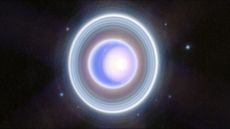 Uranus and Neptune aren't made of what we thought, new study hints
A study suggests the ice giants Uranus and Neptune aren't quite as watery as previously thought. They may also contain huge amounts of frozen methane, potentially solving the puzzle of how they formed.
planets


