
-
 Astronauts may finally start cleaning their space underwear (with microbes)
Bacterial compounds could provide antimicrobial protection in undergarments shared by astronauts during spacewalks.
space-exploration -
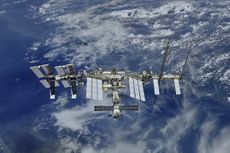 Russia wants to build its own space station to replace the ISS, state officials say
Russia is building modules for a new space station, which could potentially replace the International Space Station by the year 2025, officials said.
space-exploration -
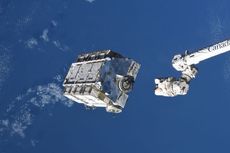 Space station tosses 2.9-ton hunk of space junk overboard. It will stay in orbit for years.
The International Space Station discarded a 2.9-ton pallet of used batteries on Thursday morning (March 11), the most massive object it has ever jettisoned.
space-exploration -
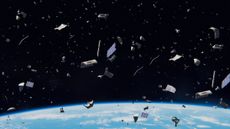 How do tiny pieces of space junk cause incredible damage?
Space junk moves at 10 times the speed of a bullet from an average gun.
space -
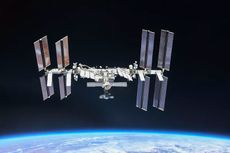 The International Space Station can't last forever. Here's how it will eventually die by fire.
What goes up must come down — including, sadly enough, the International Space Station.
space-exploration -
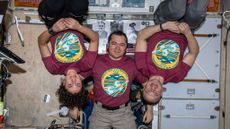 Without gravity, the fluid around an astronaut's brain moves in weird ways
The fluid that cushions the human brain redistributes in the skull during spaceflight, according to a new study.
health -
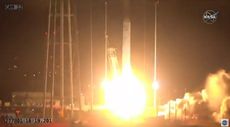 New space toilet reaches the final frontier
A robotic Cygnus spacecraft successfully blasted off from Virginia today (Oct. 1) carrying nearly 4 tons of gear, including a new space toilet, to the International Space Station.
space -
Small air leak on space station traced to Russian service module
Investigators have traced the source of the leak to the "main work area" of the Zvezda Service Module, the heart of the Russian part of the station, NASA officials announced Tuesday (Sept. 29).
space-exploration -
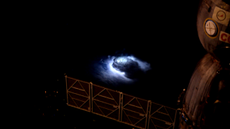 Lightning Bolts Create Glowing Auroral 'Elves' and Brilliant Gamma-Ray Flashes
Dark fluffy thunderclouds don't just fuel dramatic storms, they also produce some of the most energetic flashes of light on the planet.
space


