Livescience Livescience
Sign in
  • View Profile
  • Sign out
  • Animals
    • Aquatic animals
      • Fish
      • Sharks
      • Mollusks
      • Octopuses
      • Squids
    • Reptiles, amphibians, insects and arachnids
      • Reptiles
      • Snakes
      • Turtles and tortoises
      • Lizards
      • Amphibians
      • Alligators and crocodiles
      • Spiders and other arachnids
      • Insects
    • Mammals
      • Bears
      • Cats
      • Dogs
      • Elephants
      • Primates
      • Dolphins
      • Orcas
      • Whales
    • Birds
    • Extinct species
      • Dinosaurs
      • Mammoths
  • Archaeology
    • Human evolution
      • Neanderthals
    • Regions
      • The Americas
      • Ancient China
      • Middle East
    • Cultures
      • Romans
      • Vikings
      • Ancient Egyptians
  • Health
    • The human body
      • Aging
      • Allergies
      • Anatomy
      • Exercise
      • Food and drink
      • Genetics
      • Heart and circulation
      • Immune system
      • Medicine and drugs
      • Neuroscience
      • Reproductive health
      • Sex
      • Sleep
      • Surgery
    • Viruses, infections and disease
      • Alzheimer's and dementia
      • Bacterial and fungal infections
      • Cancer
      • Coronavirus
      • Flu
      • HIV
    • Human behavior
      • Arts and entertainment
      • Conspiracies and paranormal
      • Education
      • Psychology
    • Mathematics
    • Particle physics
    • Quantum physics
    • Chemistry
  • Planet Earth
    • Earth science
      • Earthquakes
      • Volcanoes
      • Weather
      • Geology
    • Climate change
      • Fossil fuels
      • Nuclear energy
      • Renewable energy
      • Antarctica
      • Arctic
    • Nature
      • Plants
      • Rivers and oceans
      • Evolution
  • Space
    • Astronomy
      • Asteroids
      • Black holes
      • Comets
      • Cosmology
      • Meteoroids
      • Exoplanets
    • The solar system
      • The sun
      • The moon
      • Mercury
      • Venus
      • Mars
      • Jupiter
      • Saturn
      • Uranus
      • Pluto
    • Space exploration
      • Extraterrestrial life
      • Stargazing
      • NASA
      • Space photo of the week
  • Technology
    • Artificial intelligence
    • Communications
    • Computing
    • Mixed reality
    • Quantum computing
    • Electric vehicles
    • Engineering
    • Electronic engineering
    • Robotics
    • Products
      • Health and fitness
      • Optics
      • STEM toys and games
      • Tech and gadgets
    • By type
      • News
      • Features
      • Opinion
      • Interviews
    • More
      • About us
      • Newsletters
      • Follow us
      • Archive
  • Home
  • Animals
    • View Animals
    • Aquatic animals
      • View Aquatic animals
      • Fish
      • Sharks
      • Mollusks
      • Octopuses
      • Squids
      • Reptiles
      • Snakes
      • Turtles and tortoises
      • Lizards
      • Amphibians
      • Alligators and crocodiles
      • Spiders and other arachnids
      • Insects
      • Bears
      • Cats
      • Dogs
      • Elephants
      • Primates
      • Dolphins
      • Orcas
      • Whales
    • Birds
    • Extinct species
      • View Extinct species
      • Dinosaurs
      • Mammoths
  • Archaeology
    • View Archaeology
    • Human evolution
      • View Human evolution
      • Neanderthals
      • The Americas
      • Ancient China
      • Middle East
      • Romans
      • Vikings
      • Ancient Egyptians
  • Health
    • View Health
      • Aging
      • Allergies
      • Anatomy
      • Exercise
      • Food and drink
      • Genetics
      • Heart and circulation
      • Immune system
      • Medicine and drugs
      • Neuroscience
      • Reproductive health
      • Sex
      • Sleep
      • Surgery
      • Alzheimer's and dementia
      • Bacterial and fungal infections
      • Cancer
      • Coronavirus
      • Flu
      • HIV
    • Human behavior
      • View Human behavior
      • Arts and entertainment
      • Conspiracies and paranormal
      • Education
      • Psychology
    • Mathematics
    • Particle physics
    • Quantum physics
    • Chemistry
  • Planet Earth
    • View Planet Earth
      • Earthquakes
      • Volcanoes
      • Weather
      • Geology
    • Climate change
      • View Climate change
      • Fossil fuels
      • Nuclear energy
      • Renewable energy
      • Antarctica
      • Arctic
      • Plants
      • Rivers and oceans
      • Evolution
  • Space
    • View Space
    • Astronomy
      • View Astronomy
      • Asteroids
      • Black holes
      • Comets
      • Cosmology
      • Meteoroids
      • Exoplanets
    • The solar system
      • View The solar system
      • The sun
      • The moon
      • Mercury
      • Venus
      • Mars
      • Jupiter
      • Saturn
      • Uranus
      • Pluto
    • Space exploration
      • View Space exploration
      • Extraterrestrial life
      • Stargazing
      • NASA
      • Space photo of the week
  • Technology
    • View Technology
    • Artificial intelligence
    • Communications
    • Computing
    • Mixed reality
    • Quantum computing
    • Electric vehicles
    • Engineering
    • Electronic engineering
    • Robotics
    • Products
      • View Products
      • Health and fitness
      • Optics
      • STEM toys and games
      • Tech and gadgets
      • News
      • Features
      • Opinion
      • Interviews
      • About us
      • Newsletters
      • Follow us
      • Archive
  • Sign up for our newsletters Newsletter
  • RSS
    Trending
    • Climate change solutions
    • New cat species named
    • Astronomy Photographer of the Year
    • AI "the great disappointment"
    • Harvest Moon

    When you purchase through links on our site, we may earn an affiliate commission. Here’s how it works.

    Rohini Subrahmanyam

    Rohini Subrahmanyam

    Live Science Contributor

    Rohini Subrahmanyam is a scientist-turned science writer with a PhD in Biology and postdoctoral experience in Developmental Biology. She mostly likes writing about interesting creatures on our planet, ranging from zombie flies and regenerating worms, to intelligent octopuses and mysterious comb jellies. 

    A view of a petri dish with hundreds of tiny spiral worms in it
    Parasitic worms cause terrible diseases — could the viruses they carry be to blame?

    Roundworms harbor viruses, which could be responsible for these parasites' painful symptoms in humans, scientists theorize.

    viruses-infections-disease
    • photo of a woman wearing a suit and collared shirt adjusting a thermostat on the wall of a conference room in an office building
      Do women get cold more easily than men?

      Does a person's sex make a difference in how they react to temperature changes? Here's the science.

      By Rohini Subrahmanyam Published 21 June 24

      health
    • An artist's rendering of red blood cells
      Lab-made universal blood could revolutionize transfusions. Scientists just got one step closer to making it.

      Enzymes produced by gut bacteria can remove long sugar chains in type A and B blood, leading to improved compatibility with type O.

      By Rohini Subrahmanyam Published 10 May 24

      medicine-drugs
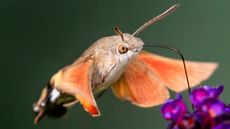
    • A Hummingbird hawkmoth captured midflight feeding on a purple flower with its long proboscis.
      Hummingbird hawk-moth: The bird-like insect with a giant sucking mouthpart

      Just as humans rely on their eyes to make precise movements with their hands, hummingbird hawk-moths use continuous visual feedback to precisely position their proboscis in the center of flowers.

      By Rohini Subrahmanyam Published 16 March 24

      insects
    Useful links
    Feed your curiosity
    • Life's Little Mysteries
    • Earth from space
    • Diagnostic dilemmas
    • Astonishing artifacts
    Grow your knowledge
    • Jaw-dropping James Webb Space Telescope images
    • Amazing women in science and math
    • Explore the periodic table of elements
    • Uncanny facial reconstructions from history
    Science in your life
    • Science quizzes and games
    • Beginner's guide to wildlife photography
    • The best telescopes for spotting stars and planets
    • Mind-blowing science facts
    Ls Logo

    Live Science is part of Future US Inc, an international media group and leading digital publisher. Visit our corporate site.

    Add as a preferred source on Google Add as a preferred source on Google
    • Accessibility Statement
    • Contact Future's experts
    • About Us
    • Terms and conditions
    • Privacy policy
    • Cookies policy
    • Advertise with us
    • Web notifications
    • Careers
    • Editorial standards
    • How to pitch a story to us

    © Future US, Inc. Full 7th Floor, 130 West 42nd Street, New York, NY 10036.

    Please login or signup to comment

    Please wait...