

-
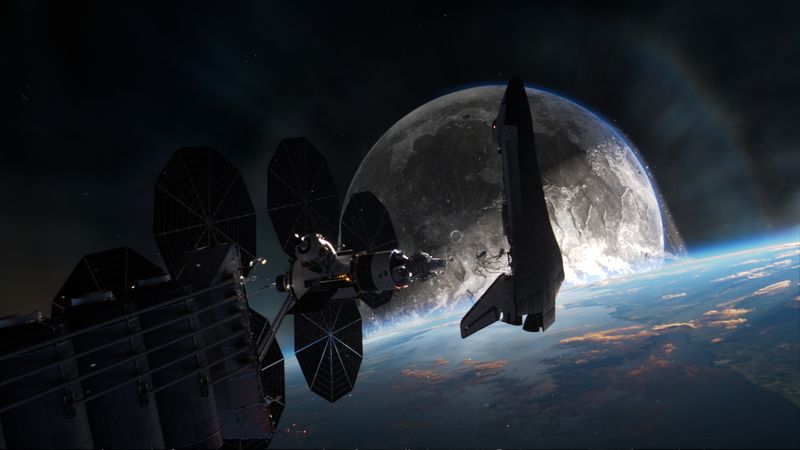 Could the moon ever be pushed from orbit, like in 'Moonfall'?
What would it take to dislodge the moon from its orbit and send it on a collision course with Earth?
the-moon -
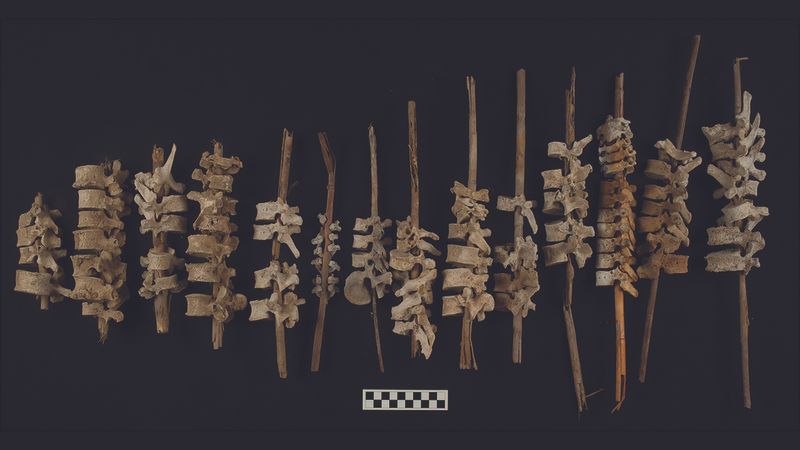 Human spines on sticks found in 500-year-old graves in Peru
Reed-threaded vertebrae, some of which date to nearly 600 years ago, were found in tombs in coastal Peru. This unusual mortuary practice may have been a way to reassemble desecrated remains.
archaeology -
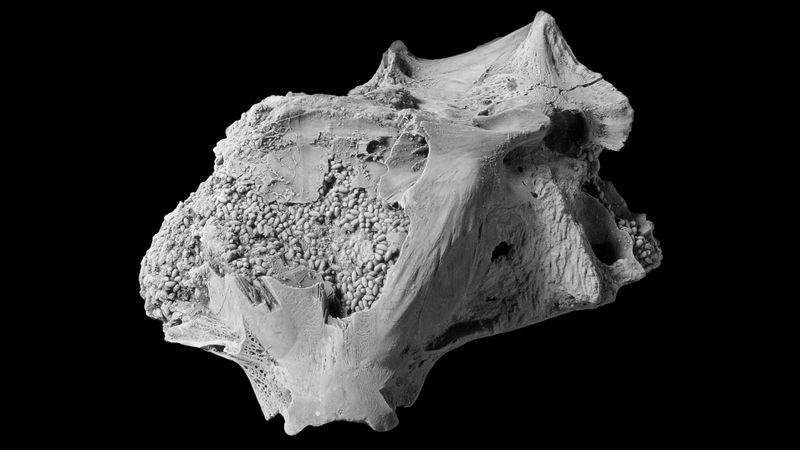 'Wonderfully-shaped feces' found inside ancient fish skull. What left the pretty poops?
About 9 million years ago, marine worms burrowed into a dead fish's head and left behind a skull full of fossilized poop.
fish -
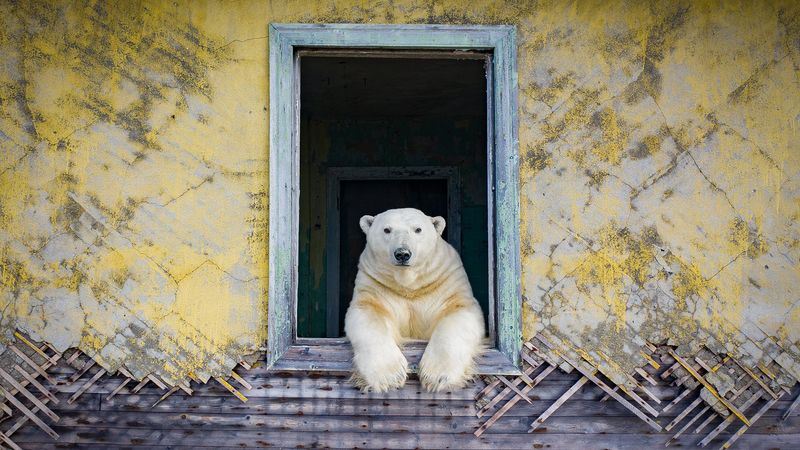 See first-ever photos of polar bears playing house in the Russian Arctic
A wildlife photographer recently captured images of polar bears like you've never seen them before: living in abandoned buildings in the Russian Arctic.
bears -
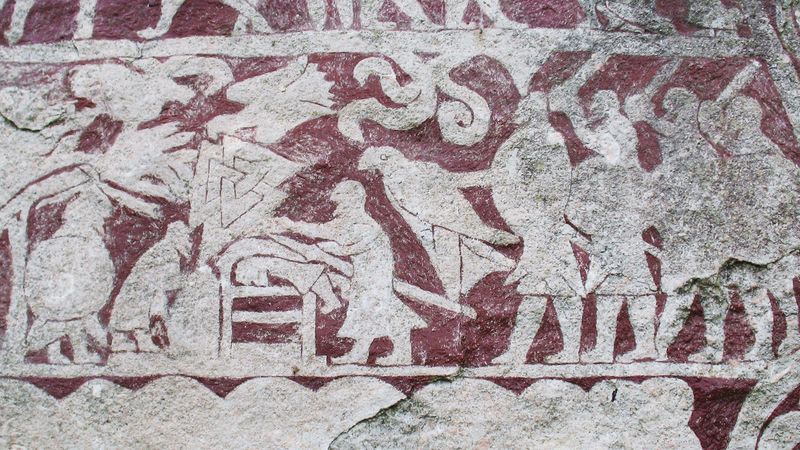 Vikings' 'blood eagle' torture was horrific — and may have actually happened
It literally turned victims inside out.
vikings -
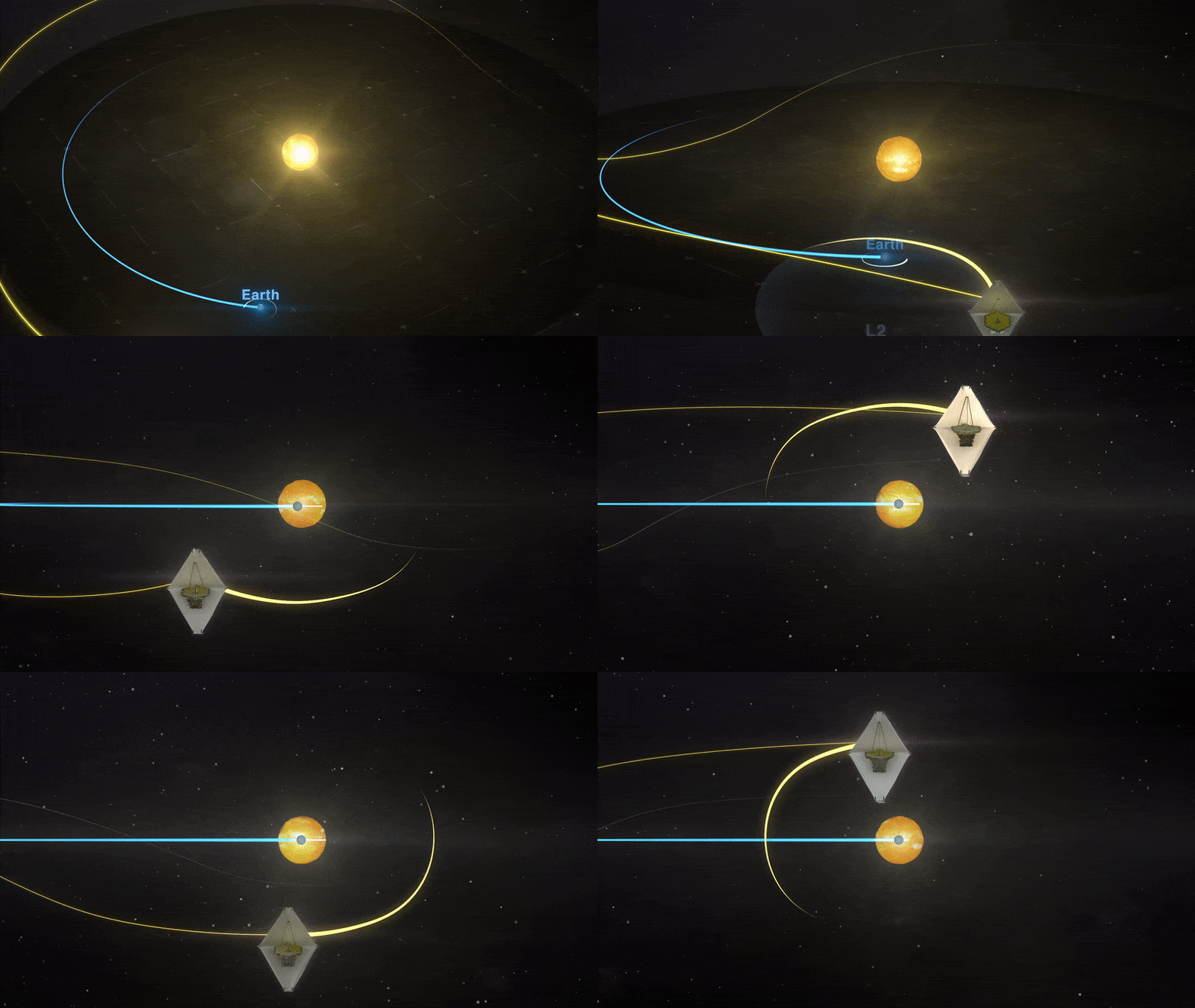 Webb Telescope is now orbiting 1 million miles from Earth
After a month in space, the Webb Telescope — the most powerful space telescope ever launched — has reached its permanent cosmic address, 930,000 miles (1.5 million kilometers) from Earth.
space-exploration -
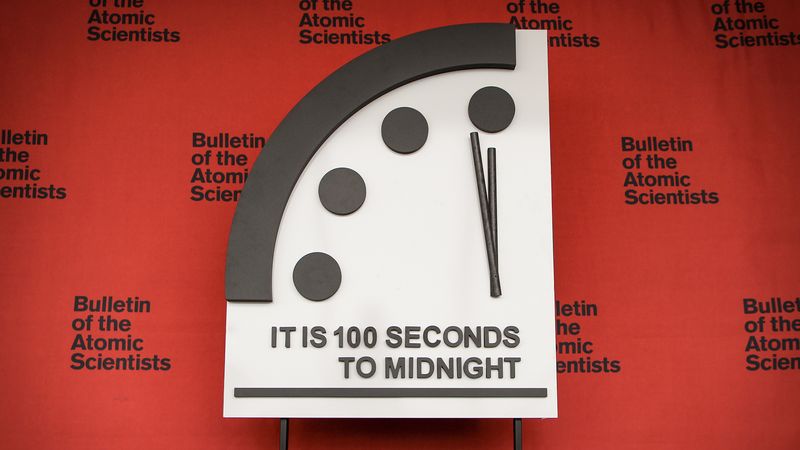 On the 'doorstep of doom': Doomsday Clock stands at 100 seconds to midnight
The hypothetical clock's hands mark our nearness to annihilation.
physics-mathematics -
 Will the Doomsday Clock move forward or back? Watch live to find out
The Doomsday Clock debuted 75 years ago to highlight the threat of nuclear weapons to our survival as a species, a risk now accompanied by escalating climate change and global pandemics.
human-behavior -
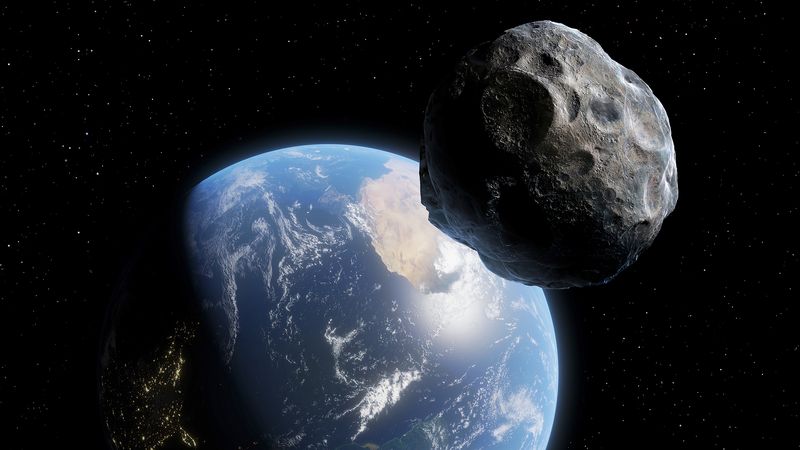 Look up! A 'potentially hazardous' asteroid will safely zip by Earth on Jan. 18
An enormous asteroid more massive than two Empire State Buildings will zoom harmlessly past Earth next week. Look up!
asteroids -
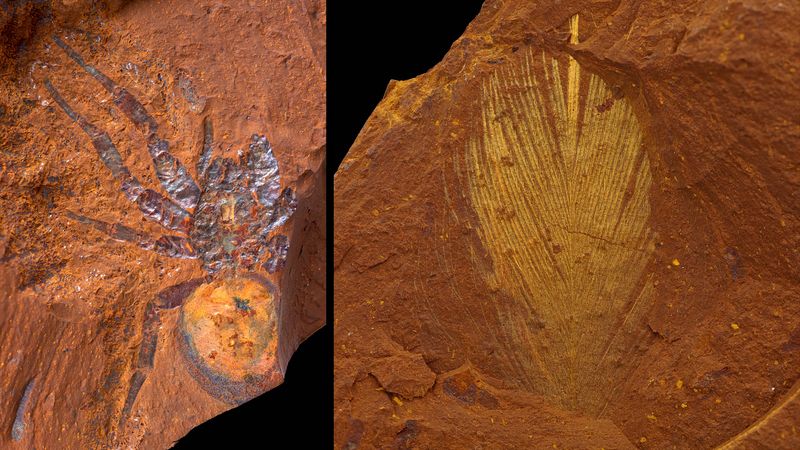 Rare and fragile fossils found at a secret site in Australia's 'dead heart'
A site in Australia that holds thousands of astonishingly well-preserved fossils has been kept a closely guarded secret among paleontologists for the past three years.
extinct-species -
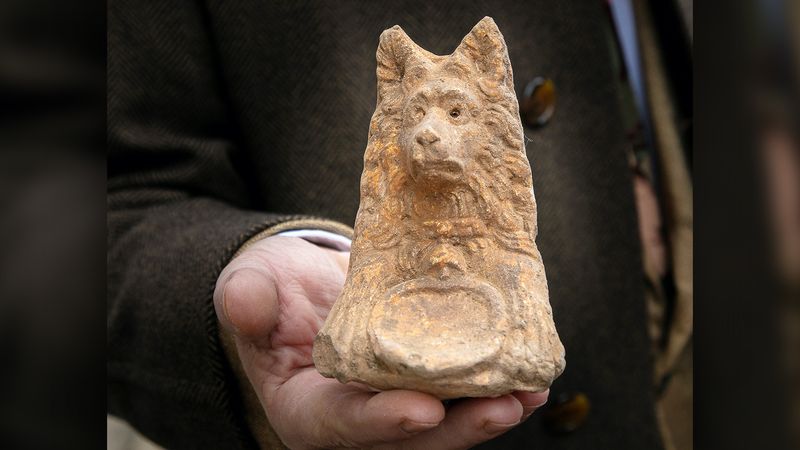 Ancient dog-headed statue found during Roman road excavation
During an archaeological inspection of a waterway project site in Rome, archaeologists found ancient funerary relics, including a terracotta statue with a dog's head.
archaeology -
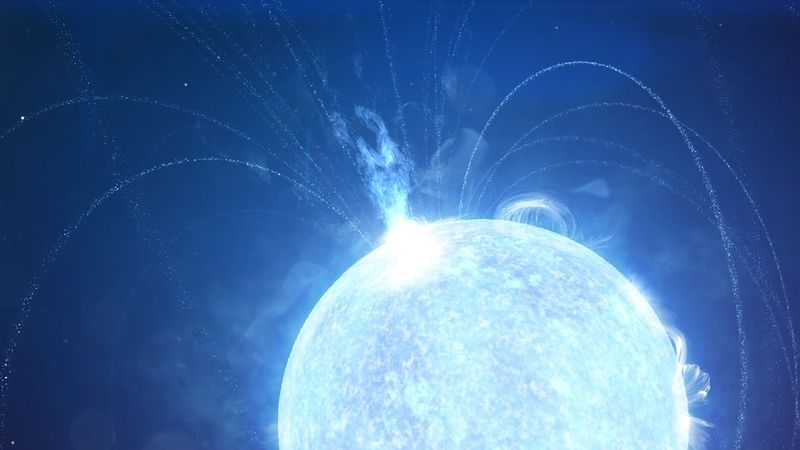 'Cosmic monster' star spits energy with the force of a billion suns
Scientists just collected the first measurements of violent eruptions in extremely dense magnetic stars called magnetars.
cosmology -
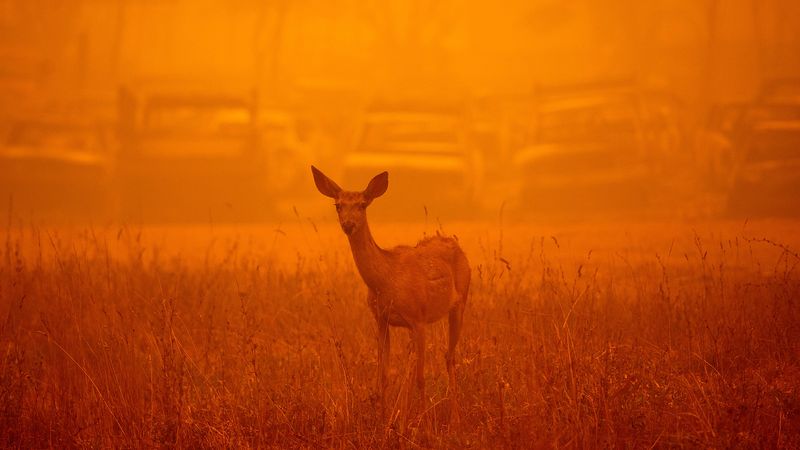 8 ominous climate milestones reached in 2021
Signs of accelerating global warming abounded this year, but we could still prevent the worst-case scenarios — if we act soon.
climate-change -
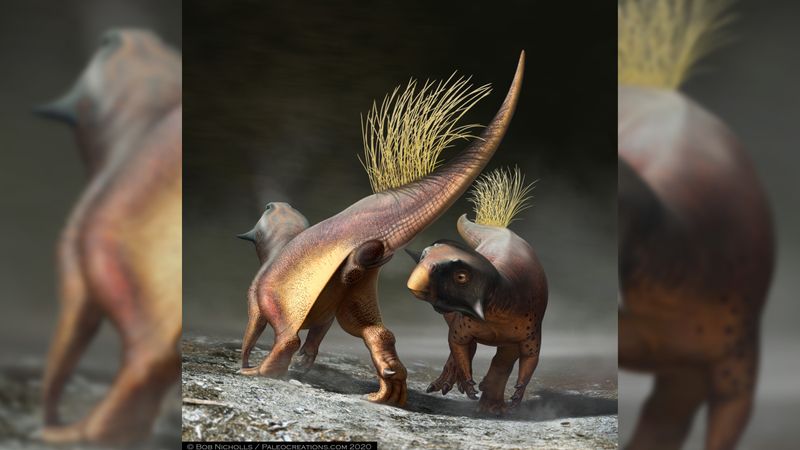 Live Science's best of 2021: Writers' choice
In a year of unusual and surprising news at Live Science, these stories stood out.
planet-earth -
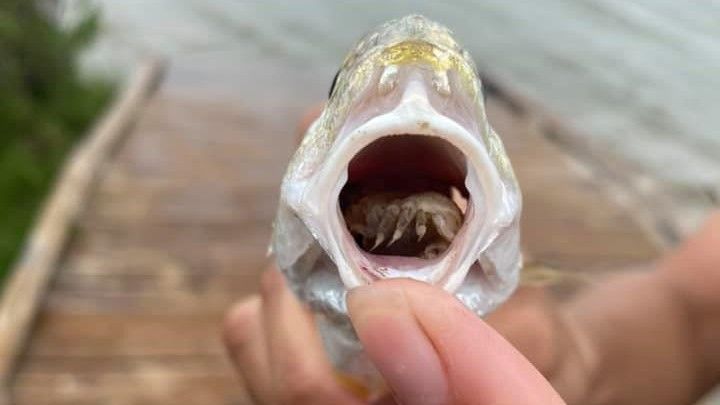 Social vomit and hairy eyeballs: 10 times animals grossed us out in 2021
Here are some of our favorite gross-outs in science news this year.
animals -
 In a historic launch, the Webb Telescope blasts off into space
An international partnership of space agencies just launched JWST, the biggest, most powerful space telescope ever made, in an achievement that was decades in the making.
space-exploration -
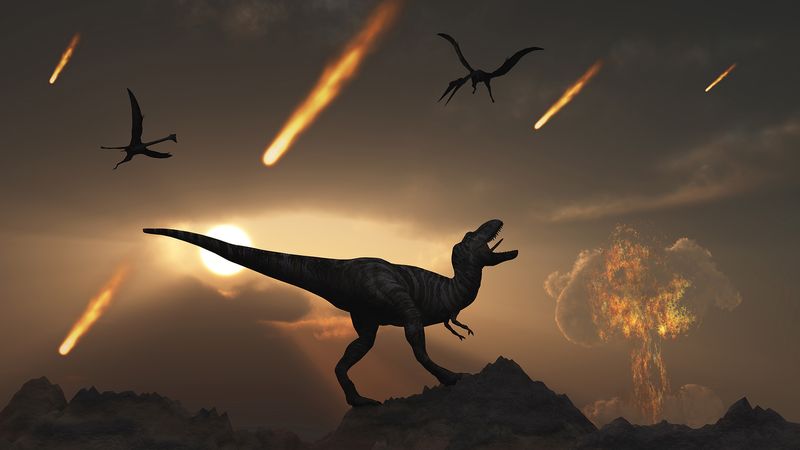 Darkness caused by dino-killing asteroid snuffed out life on Earth in 9 months
After an asteroid struck at the end of the Cretaceous period, debris from wildfires filled the atmosphere and blocked sunlight across Earth, causing ecosystem collapse and extinctions.
asteroids -
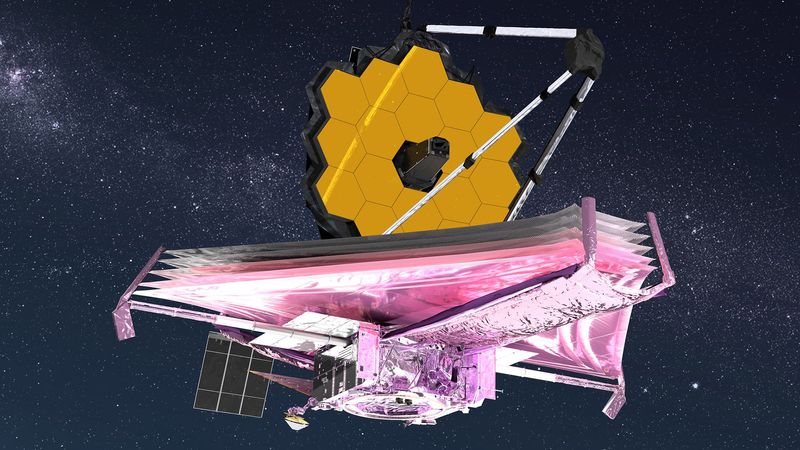 How to watch the James Webb telescope launch into space
The James Webb Space Telescope, an upgrade to Hubble, is scheduled to launch on Dec. 25.
space-exploration -
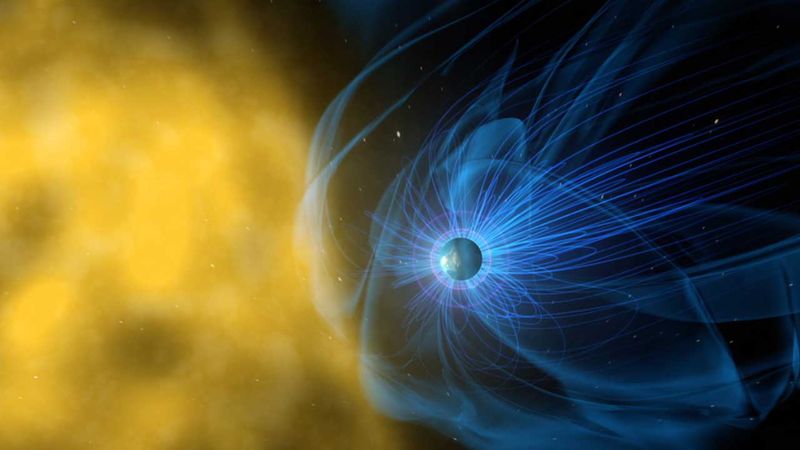 41,000 years ago, auroras blazed near the equator
A geomagnetic event around 41,000 years ago sent the aurora wandering for centuries, as far south as the equator.
planet-earth -
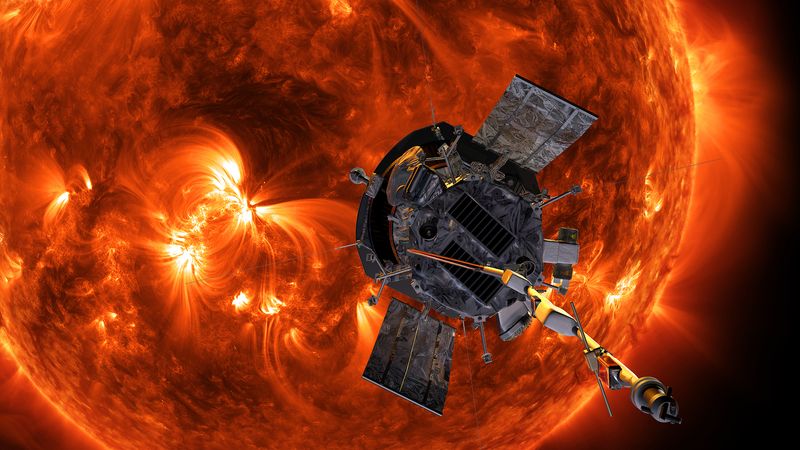 'Humanity has touched the sun' in a pioneering achievement for space exploration
NASA's Parker Solar Probe dipped into the sun's atmosphere to sample particles from the corona — a scientific first.
the-sun -
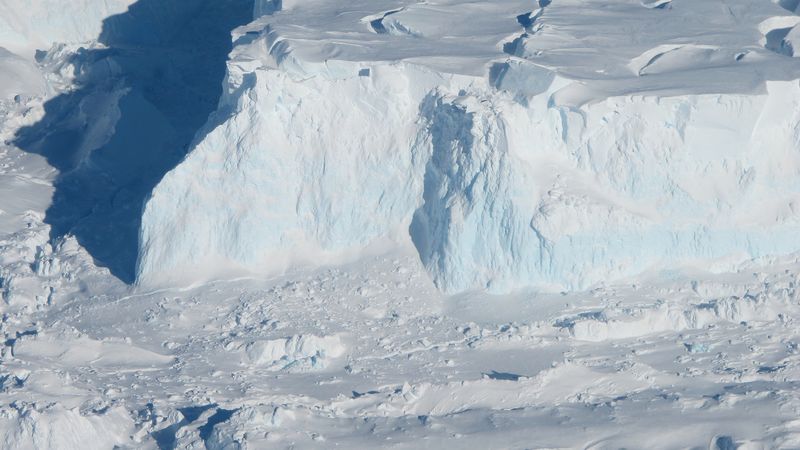 Antarctica's 'Doomsday Glacier' could meet its doom within 3 years
Thwaites Glacier is roughly the size of Florida, and holds enough ice to raise sea levels over two feet. New research shows that the collapse of its ice shelf may be just a few years away.
antarctica -
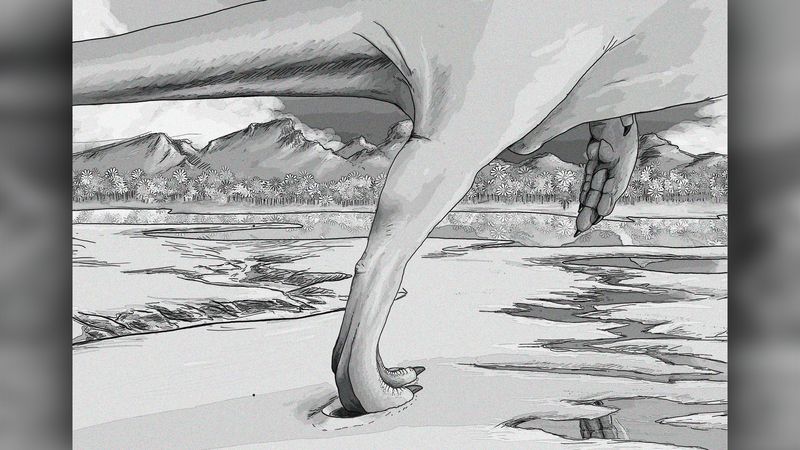 Meat-eating dinosaurs were terrifyingly fast, footprints reveal
Preserved trackways from the Cretaceous period provide a rare snapshot of fast running speeds in theropod dinosaurs.
dinosaurs -
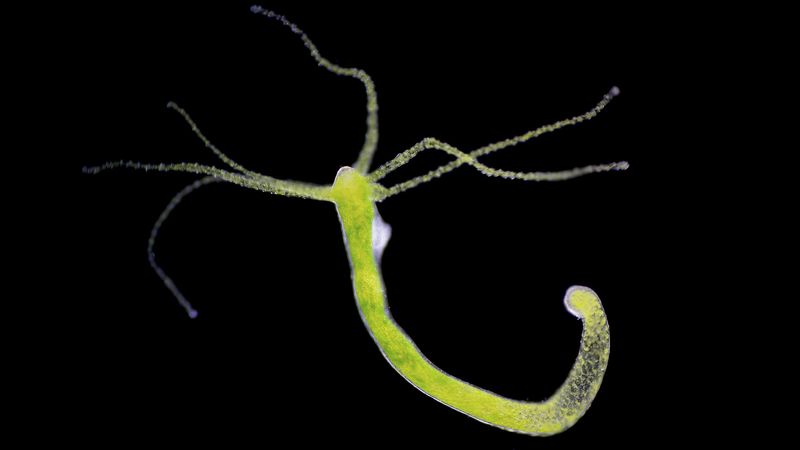 Here's the secret to how 'immortal' hydras regrow severed heads
For the first time, scientists have created a genetic map showing how hydras regenerate their own heads.
genetics -
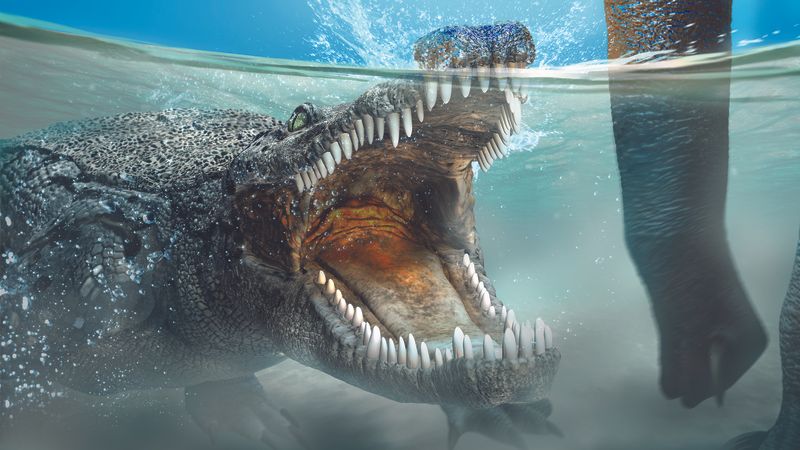 Jurassic crocodile relative could breathe easily while drowning its prey
The modern crocodile can breathe while most of its head is submerged because of specialized airway adaptations, which scientists can now trace to the Jurassic period.
alligators-crocodiles


