













Thinking Makes Us Pig Out

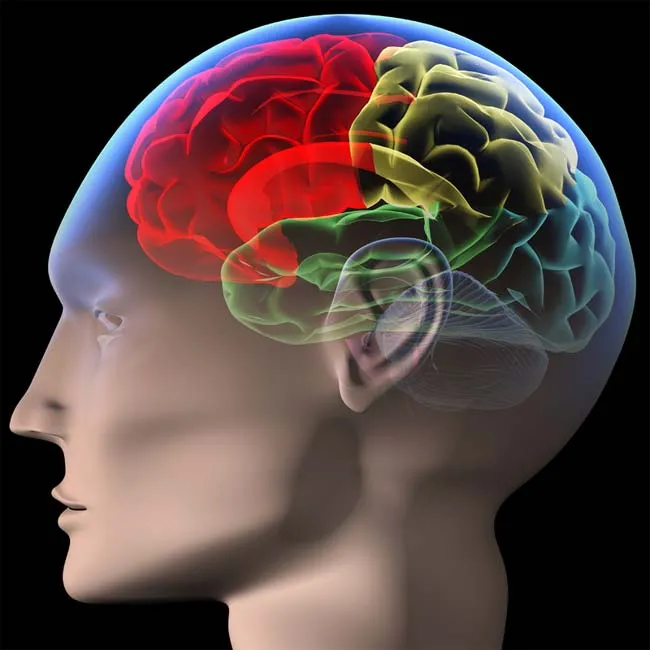
Food for thought: Intellectual activities make people eat more than when just resting, according to a study that sheds new light on brain food.
This finding might also help explain the obesity epidemic of an increasingly sedentary society in which people still have to think now and then.
Researchers split 14 university student volunteers into three groups for a 45-minute session of either relaxing in a sitting position, reading and summarizing a text, or completing a series of memory, attention, and vigilance tests on the computer.
The scientists had determined beforehand that the thinking sessions consumed only three calories more than resting. After the sessions, the participants were invited to eat as much as they pleased.
Though the study involved a very small number of participants, the results were stark.
The students who had done the computer tests downed 253 more calories, or 29.4 percent more than the couch potatoes. Those who had summarized a text consumed 203 more calories than the resting group.
Blood samples taken before, during, and after revealed that intellectual work causes much bigger fluctuations in glucose levels than rest periods, perhaps owing to the stress of thinking.
Get the world’s most fascinating discoveries delivered straight to your inbox.
The researchers figure the body reacts to these fluctuations by demanding food to restore glucose, a sugar that is the brain's fuel. Glucose is converted by the body from carbohydrates and is supplied to the brain via the bloodstream. The brain cannot make glucose and so needs a constant supply. Brain cells need twice as much energy as other cells in the body.
Without exercise to balance the added intake, however, such "brain food" is probably not smart. Various studies in animals have shown that consuming fewer calories overall leads to sharper brains and longer life, and most researchers agree that the findings apply, in general, to humans.
And, of course, eating more can make you fat.
"Caloric overcompensation following intellectual work, combined with the fact that we are less physically active when doing intellectual tasks, could contribute to the obesity epidemic currently observed in industrialized countries," said lead researcher Jean-Philippe Chaput at Laval University in Quebec City, Canada. "This is a factor that should not be ignored, considering that more and more people hold jobs of an intellectual nature," the researcher concluded.
The study was published in the journal Psychosomatic Medicine.

Robert is an independent health and science journalist and writer based in Phoenix, Arizona. He is a former editor-in-chief of Live Science with over 20 years of experience as a reporter and editor. He has worked on websites such as Space.com and Tom's Guide, and is a contributor on Medium, covering how we age and how to optimize the mind and body through time. He has a journalism degree from Humboldt State University in California.