
-
 Wolf spiders: Behavior, bites and other facts
REFERENCE Wolf spiders are a large family of hairy and athletic arachnids that chase down prey on the ground rather than catching food in webs.
REFERENCE -
 Cottonmouth snakes: Facts about water moccasins
Cottonmouth snakes, also known as water moccasins, are venomous snakes found throughout the southeastern U.S. that can be identified by the white color in their mouths.
snakes -
 Copperhead snakes: Facts, bites & babies
Reference Copperhead snakes are commonly found in the eastern U.S., where they inflict more bites than any other snake species. Luckily, their venom is relatively mild and rarely deadly for humans.
Reference -
 Brazilian wandering spiders: Bites & other facts
Brazilian wandering spiders don't build webs but crawl on the forest floor at night in search of prey, which they kill with neurotoxic venom.
spiders-arachnids -
 Giant huntsman spider: The world's largest spider by leg span
Reference Giant huntsman spiders are the largest member of the huntsman spider family Sparassidae with a leg span stretching up to 12 inches across — roughly the size of a dinner plate.
Reference -
 Brown recluse spiders: Facts, bites & symptoms
Reference Here's what to know about brown recluse spiders and how to avoid getting bitten by them.
Reference -
 What is inflammation?
Inflammation is the body's response to injury or infection. It works to help heal wounds, but it can also play a role in chronic disease.
health -
 Martin Luther King Jr.: The iconic civil rights leader
REFERENCE Martin Luther King Jr. was a civil rights leader who fought for racial and economic justice. His oft-quoted "I Have a Dream" speech made an incredible impact on the country's racial, cultural and intellectual landscape.
REFERENCE -
 Watermelon: Health benefits, risks & nutrition facts
Watermelons are good for you, provide many health benefits and are packed with nutrients. They are also deliciously refreshing, low in calories and fat-free.
food-drink -
 Cucumbers: Nutrition facts and health benefits
reference Cucumbers have many nutritional benefits, are low in calories and high in valuable nutrients.
reference -
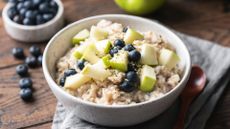 What is fiber?
Reference Fiber is vital for healthy digestion. Here’s how it works – and what to do if you’re not getting enough
Reference -
 What is dietary fat?
Everything you need to know about dietary fat and why including the right fat in your diet is important for good health.
food-drink -
 Cantaloupe: Health benefits & nutrition facts
Cantaloupe is a tasty nutrient-packed melon that's low in calories.
food-drink -
 Egg Whites: Health benefits & nutrition facts
Egg whites are high in protein and low in just about everything else.
health -
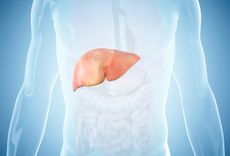 Liver: Function, failure & disease
Reference Here’s everything you need to know about the liver, from its function and location in the body, to diseases that affect the organ.
Reference -
 Chocolate: History, types, production & other fun facts
Chocolate, the most popular sweet treat in the world, makes you feel good and might be good for you, too. (At least a little.)
food-drink -
 Hernán Cortés: Conqueror of the Aztecs
Hernán Cortés was a Spanish conquistador who conquered the Aztec Empire in the early 16th century.
human-behavior -
 What are carbohydrates?
Reference Carbohydrates — one of the basic food groups — are the sugars, starches and fibers found in fruits, grains, vegetables and milk products. They are important to a healthy diet.
Reference -
 Anaconda: Habits, hunting and diet
Reference Everything you wanted to know about Anacondas including size, types, and conservation.
Reference -
 Brown snakes: Facts, characteristics, habitat and diet
Reference North American brown snakes are nonvenomous, unlike the Australian variety, which is among the most venomous in the world.
Reference -
 Grapes: Health benefits and nutrition facts
Grapes are versatile fruits packed with nutrients and antioxidants and can be used in a wide range of popular foods and drinks, such as wine.
food-drink -
 Chromosomes: Facts about our genetic storerooms
Reference Chromosomes are thread-like structures made up of deoxyribonucleic acid (DNA) and carry hereditary information for everything from height to eye color.
Reference -
 Onions: Health benefits, health risks & nutrition facts
Reference Onions have layers of health benefits and are packed with nutrients. Some of the nutrients in onions may help promote heart health, reduce inflammation and reduce the risk of cancer.
Reference -
 Almonds: Nutrition and health benefits
Reference Almonds, the most popular nuts in the United States, are full of nutrients and may promote heart healthiness.
Reference


