

-
 Neanderthal DNA may shape how sensitive you are to pain, genetic analysis shows
Scientists studied genetic samples from more than 7,000 people and linked three genetic variants, inherited from Neanderthals, to increased pain sensitivity.
neanderthals -
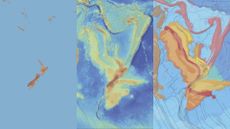 Zealandia, Earth's hidden continent, was torn from supercontinent Gondwana in flood of fire 100 million years ago
Scientists have fully mapped the lost continent of Zealandia in a world first, discovering new details about how it broke away from the supercontinent Gondwana through the ignition of a huge volcanic region tens of millions of years ago.
geology -
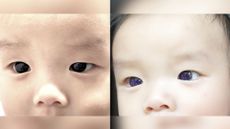 Infant's dark-brown eyes suddenly turn indigo blue after COVID-19 antiviral treatment. But why?
In a rare case, the brown eyes of a 6-month-old boy with COVID-19 turned blue after he was given the antiviral favipiravir.
medicine-drugs -
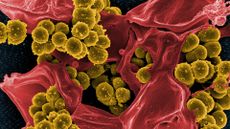 New antibiotic that slays superbugs discovered in 'dark matter' microbes from North Carolina soil
Deadly superbugs are unlikely to develop resistance to a new antibiotic produced by bacteria, scientists say.
bacterial-fungal -
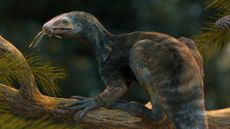 'Edward Scissorhands' creature that lived 230 million years ago discovered in Brazil
The ancient predator, which scientists have named Venetorapter gassenae, also had a large beak and likely used its claws for climbing trees and picking prey apart.
extinct-species -
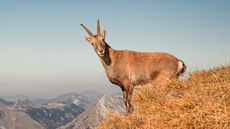 15 unexpected effects of climate change
From shrinking goats to a dimmer Earth, here are some of the lesser-known impacts of rising global temperatures.
climate-change -
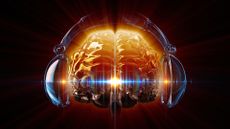 Google's 'mind-reading' AI can tell what music you listened to based on your brain signals
Artificial intelligence can produce music that sounds similar to tunes people were listening to as they had their brains scanned, a collaborative study from Google and Osaka University shows.
neuroscience -
 'Black swan' pathogens from ancient permafrost may be getting ready to wake up
Scientists simulated ancient viruses to see what impact they would have on the environment. While most had few consequences, 1% were capable of killing their hosts and disrupting ecosystems.
arctic -
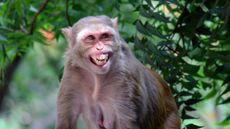 Male monkeys on tiny island have way more sex with each other than females, scientists discover
The rhesus macaques on Cayo Santiago that engaged in same-sex behavior were also found to have more babies, indicating an evolutionary advantage.
primates -
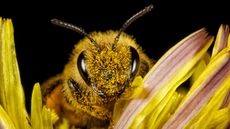 Where do honey bees come from? New study 'turns the standard picture on its head'
DNA analysis indicates the world's most common bee originated in northern Europe around 780,000 years ago, before spreading into East Africa and Arabia around 120,000 years later.
insects -
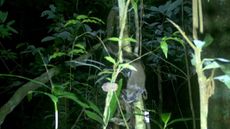 Flying squirrels in China have discovered a clever new trick to store nuts for longer
Two species of tropical flying squirrels have worked out that if they nibble grooves around nuts to store them between tree branches, they are preserved for longer.
land-mammals -
 Night owls may die earlier because they tend to drink and smoke more, study suggests
The heightened mortality of "night owls" compared with "early birds" may come down to heavier smoking and higher alcohol consumption among night owls, a large study of people in Finland suggests.
health -
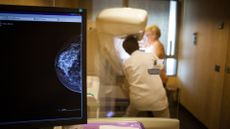 AI predicts 5-year breast cancer risk better than standard tools — but we aren't sure how it works
Artificial intelligence models can use breast imaging data to pinpoint those at highest risk of getting breast cancer in the next five years, better than a standard approach.
cancer -
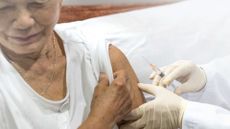 Shingles vaccine may protect against dementia
An analysis of thousands of healthcare records adds to mounting evidence that people who get the shingles vaccine in their 70s may reduce their dementia risk over the following seven years.
alzheimers-dementia -
 Daily smoking linked to brain shrinkage in massive study
A study involving more than 28,000 people strongly supports the idea that daily smoking shrinks the brain.
neuroscience -
 Irregular sleep may increase your risk of dying from cancer and heart disease
Waking and sleeping at inconsistent times may increase the risk of dying from cancer or heart disease death in middle-age and older adults.
sleep -
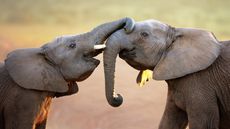 Wild African elephants may have domesticated themselves
Wild elephants play, help sick members of their species and babysit each other's young, suggesting they domesticated themselves.
land-mammals -
 We're nowhere near reaching the maximum human life span, controversial study suggests
Human longevity records may be broken in the next few decades, a new modeling study suggests.
aging -
 Why are sexually transmitted infections on the rise in the US?
Surging STIs are being driven by a "perfect storm" of factors in the U.S.
bacterial-fungal -
 COVID-19 linked to 40% increase in autoimmune disease risk in huge study
COVID-19 may substantially increase the risk of developing autoimmune disease, a huge study of health records found.
coronavirus -
 Dozens of genes linked to thyroid disease risk in largest study of its kind
112 genes were linked to thyroid conditions in a large genomic study.
genetics


