-
 10 'Barbaric' Medical Treatments That Are Still Used Todaysurgery
 -
 9 Disgusting Things That the FDA Allows in Your Food
It's probably a bad idea to scroll through the Food and Drug Administration's "Defect Levels Handbook" before a meal.
food-drink -
 What's in Your Food? A Peek Under the Cover of the FDA's Handbook
Here’s what the FDA allows in your food.
food-drink -
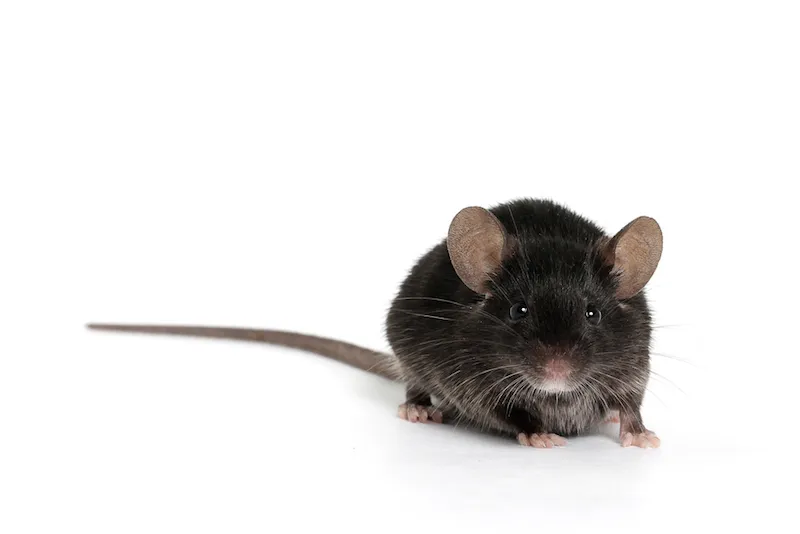
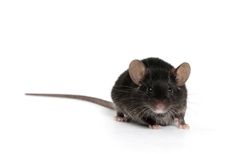 Why Do Mice Poop So Much?
If you've ever had a wild mouse loose in your kitchen, chances are you first noticed the pest because of the droppings it left behind.
land-mammals -
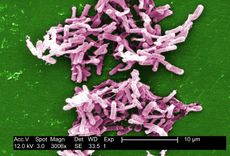 'Poop Transplant' Changes Play Out Over Several Months, Study Finds
Patients who undergo a "poop transplant" to treat severe diarrhea often see their symptoms get better within days, but their gut bacteria continue to undergo dramatic changes for months.
surgery -
 Preserved Poop Points the Way to General Hannibal's Historic Path
Signs of Hannibal's passage were preserved in poop deposits left behind by his army's horses.
human-behavior -
Frozen Poop Is As Good As Fresh Poop for C. Difficile Treatment
People who have the intestinal infection called Clostridium difficile may benefit from a "poop transplant" that uses frozen poop instead of fresh poop, a new study suggests.
viruses-infections-disease -
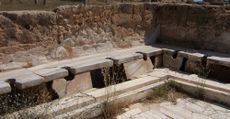 Ancient Rome Was Infested with Human Parasites, Poop Shows
The Roman Empire is famous for its advanced sanitation — public baths and toilets — but human poop from the region shows that it was rife with parasites.
romans -
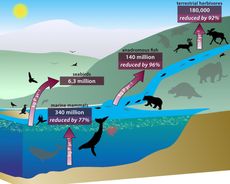 No Crap: Missing 'Mega Poop' Starves Earth
Earth has a poop problem. The extinction of whales and other megafauna has resulted in a shortage of mega-manure, which is essential for spreading nutrients around the globe at sea and on land.
planet-earth