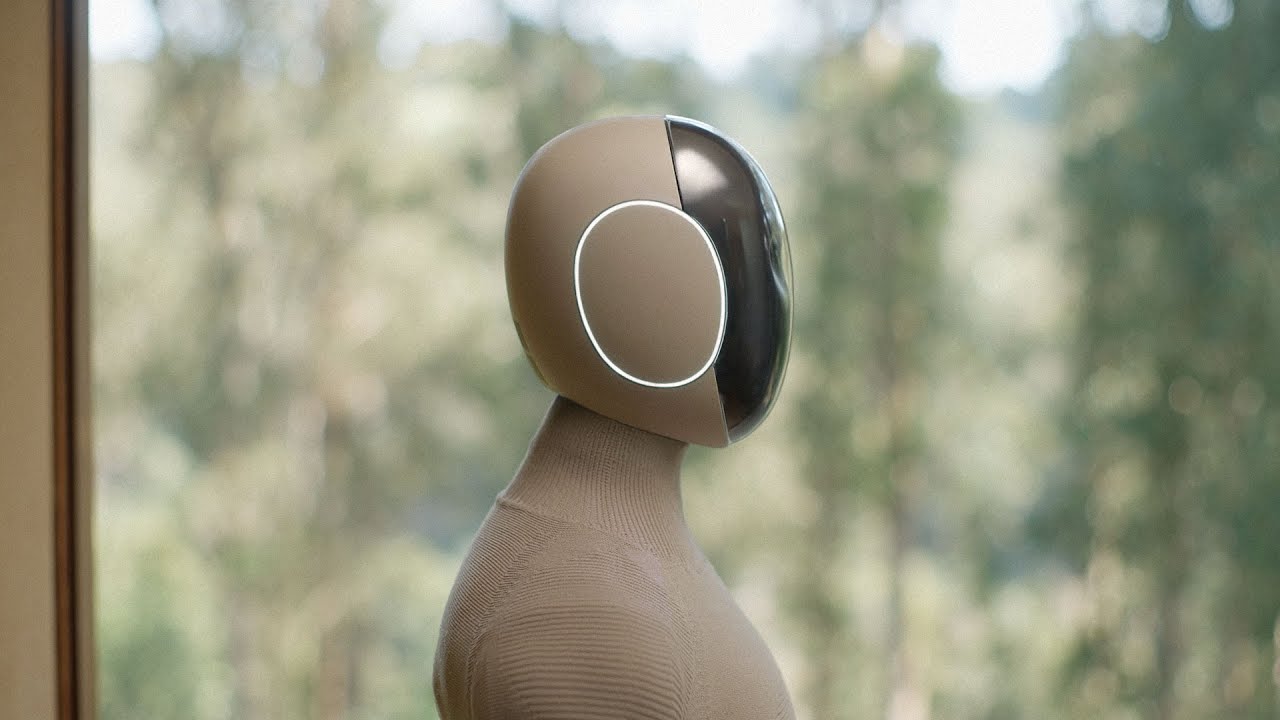
A Norwegian robotics firm has unveiled a knitted-nylon-covered humanoid robot designed to complete household chores.
"Neo Gamma," built by robotics company 1X, is a bipedal android equipped to perform everyday tasks such as vacuuming, tidying clothes and making coffee.
In a promotional video released Feb 21. On YouTube, the machine is shown serving tea, fixing a wonky picture frame, carrying laundry, hoovering, wiping windows and collecting groceries, before taking a seat as its human owners eat.
Although the company has said the humanoid robot is not ready to go on sale to the public, they claim the new model has been made available for limited testing in some homes. This will enable engineers to test the robot’s navigational, speech and body language artificial intelligence (AI) features. These capabilities are being developed in-house, although ChatGPT developer OpenAI was an early investor.
"There is a not-so-distant future where we all have our own robot helper at home, like Rosey the Robot or Baymax," Bernt Børnich, the CEO of 1X, said in a statement. "But for humanoid robots to truly integrate into everyday life, they must be developed alongside humans, not in isolation."
"The home provides real-world context and the diversity of data needed for humanoids to grow in intelligence and autonomy. It also teaches them the nuances of human life — how to open the door for the elderly, move carefully around pets, or adapt to the unpredictability of the surrounding world," Børnich said.
Related: Chinese humanoid robot is the 'fastest in the world' thanks to its trusty pair of sneakers
According to 1X representatives, Neo Gamma was trained on human motion capture data, enabling it to walk with a "natural human gait and arm swings," alongside being able to squat and sit in chairs.
Its multi-joined hands use elastic motors that mimic human tendons, and it has four microphones and a speaker system integrated into its body to communicate with humans. Its knitted exterior was designed to reduce the force of potential impacts with the exterior environment and increase its overall safety.
Neo Gamma is far from the only humanoid robot that's captured the attention of businesses and the public recently. In February, Polish startup Clone Robotics announced its Protoclone robot, which twitched to life with eerily human movements.
Last year, the Californian company Figure tested its humanoid robots in a BMW factory and plans to introduce more this year. Apptronik, a Texas-based competitor, is also commercializing its humanoid robot, Apollo, for use in Mercedes-Benz factories by the end of the year. Agility Robotics' Digit, meanwhile, will also be introduced into warehouses this year.