













How to Clean Your Fitness Tracker

You may wear your fitness tracker so often you never miss a step, but all that activity may cause your tracker to get dirty, sweaty or even smelly. And do you really want to wear a sweaty tracker to bed?
Along with our fitness tracker reviews, Live Science is bringing you some know-how. Here's a look at how to clean some of the most popular fitness trackers.
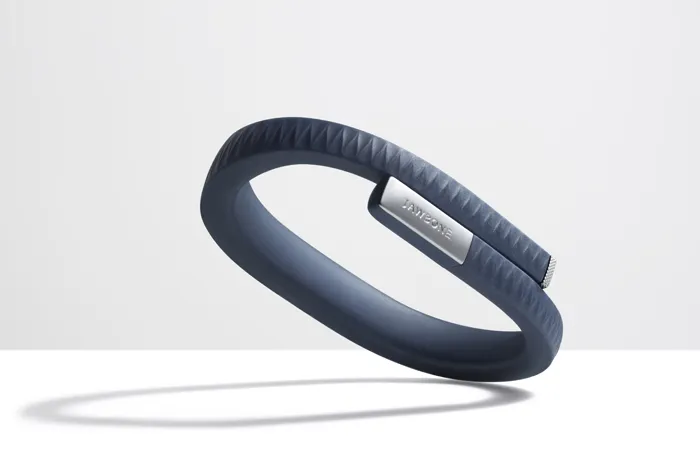
- According to Jawbone, you should first wet/dampen a cloth or cotton swab with isopropyl alcohol or an alcohol-based sanitizer.
- Gently rub the outside of the band with the cloth.
- Dry the band with a clean cloth or towel.
- You should not submerge the band in liquids, or use abrasive cleaners on the band, Jawbone says.
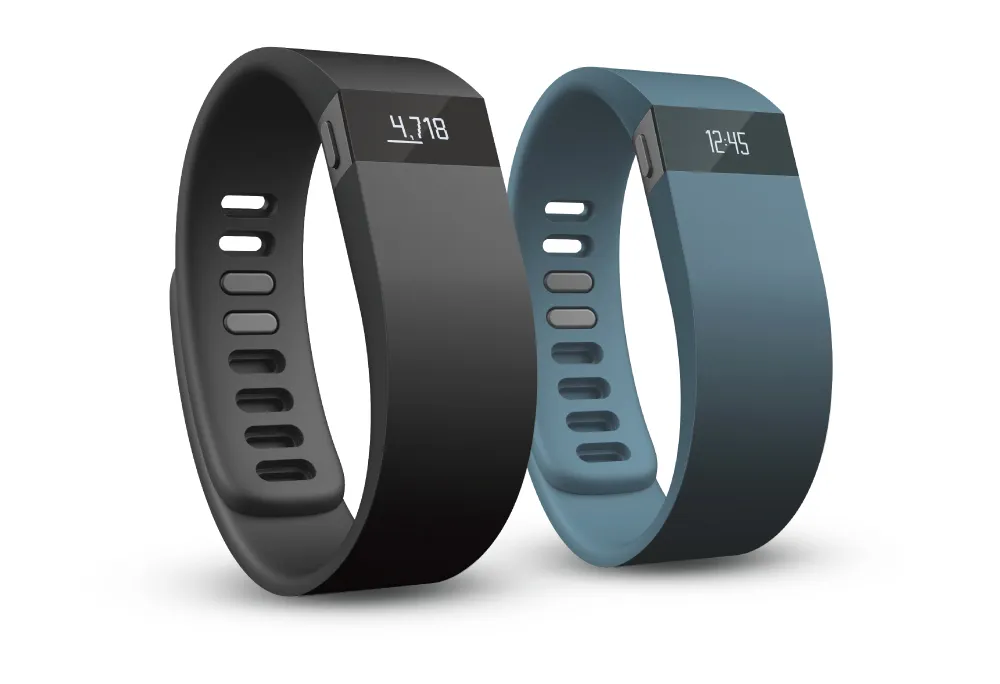
(Editor's note: Fitbit recalled the Force earlier this year, but for users who still have their Force, Live Science will continue to cover the device.)
- Use warm water and mild detergent to rinse the band, according to Fitbit.
- But try to avoid getting the display screen wet.
- To clean the contacts where the Force charges, Fitbit recommends wetting a twisted paper towel, squeezing out the water and then dabbing the contacts.
- You should not use abrasive cleaners, or put the Force in the dishwasher.
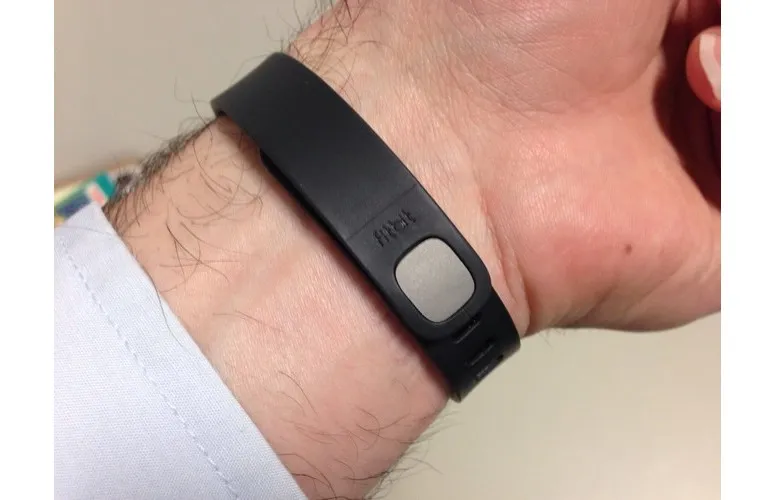
- First, take the Flex tracker itself out of the wristband.
- Clean the wristband with warm water and mild detergent, according to Fitbit.
- To clean the tracker itself, Fitbit recommends using a cotton swab dampened with rubbing alcohol.
- Make sure the tracker and wristband are both dry before you put the tracker back in the wristband.
Get the world’s most fascinating discoveries delivered straight to your inbox.
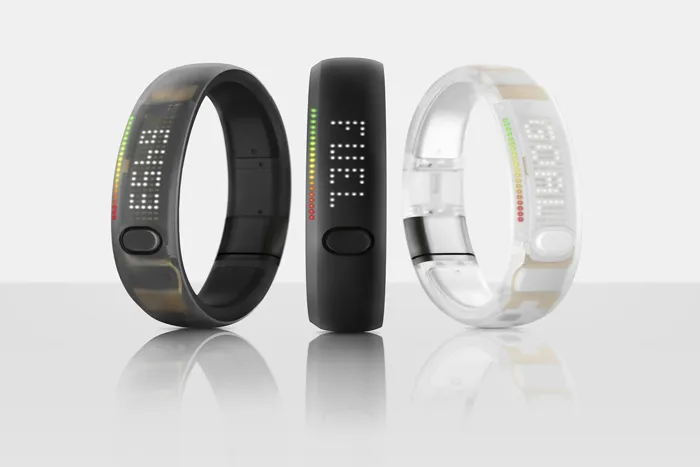
- All you need to clean the surface of your Nike Fuelband is mild soap, water and a soft cloth, according to Nike.
- If the Fuelband's USB connector needs cleaning, Nike recommends using a dry toothbrush to brush off light dirt/accumulation, or a cloth that has been dampened with rubbing alcohol. You should wipe your Fuelband dry if you get it wet.
- You can also use cleaning liquid available in electronic stores to clean off especially hard-to-remove dirt/accumulation, Nike says.
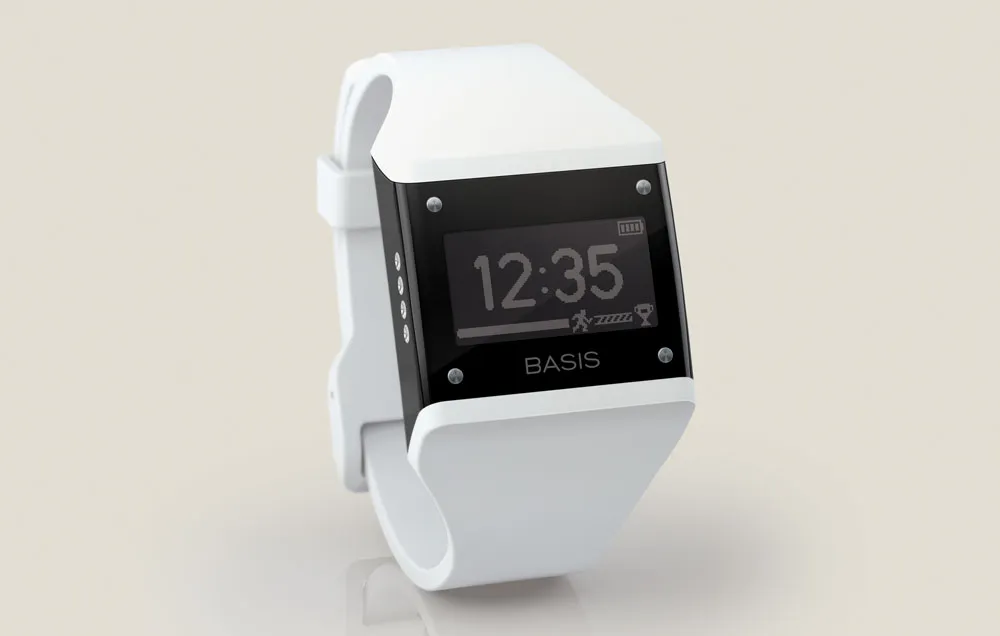
- You should wear your Basis like a normal watch, and clean the device as needed, the company says. To remove dirt or grease from the Basis, dampen a cloth with cold/warm water and use mild dish soap, the company says. You should not use hot water.
- If soap is not adequate for the cleaning job, Basis recommends using alcohol or ammonia based cleaners and a soft cloth.
- Do not put the device in a dishwasher, or use abrasive sponges/cleaners.
Follow Rachael Rettner @RachaelRettner. FollowL ive Science @livescience, Facebook & Google+.

Rachael is a Live Science contributor, and was a former channel editor and senior writer for Live Science between 2010 and 2022. She has a master's degree in journalism from New York University's Science, Health and Environmental Reporting Program. She also holds a B.S. in molecular biology and an M.S. in biology from the University of California, San Diego. Her work has appeared in Scienceline, The Washington Post and Scientific American.