













Cheese Is Grosser Than Thought
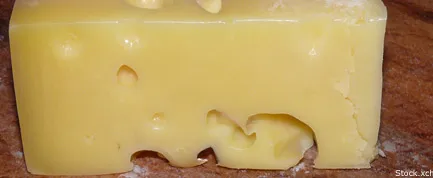
Cheese makes some foodies jump up and down like little kids, but behind that heavenly taste and texture lies bacteria, mammal stomach lining and pure fat.
To ripen cheese and add flavor, bacterial strains are freely injected and smeared into the substance. But not all have been accounted for, a new study finds.
Researchers at Newcastle University in England have now identified eight previously undiscovered microbes on the French, brie-like cheese called Reblochon. The potential benefits of these new microbes are still unknown.
The study is detailed in the December issue of the journal International Journal of Systematic and Evolutionary Microbiology.
Flourishing microbes are consumed with every bite of cheese (though the cooling temperatures in refrigerators do slow down bacterial growth, they do not kill them in cheese or in any other food). Bacteria (either naturally swimming around the milk or manually injected) and enzymes derived from the inner stomach linings of any slaughtered milk-producing mammal (called rennet) are added to coagulate the milk into curds.
Two proteins arise from curdled milk and manufacturers capitalize on them: The first is whey, which is essentially leftover liquid from curdled milk (and is increasingly being used as an ingredient in producing other foods). The second is casein, which makes up the bulk of the solid part of cheese, along with fat.
Fat is what gives cheese its taste, and 70 to 80 percent of the calories in cheese come from pure fat.
Get the world’s most fascinating discoveries delivered straight to your inbox.
Factories are adding more bacterial groups into cheese to achieve enhanced flavors.
Cheese might be a hot commodity, but like other dairy products, it can have some unhealthy aspects. Other ways to get your calcium fix include eating the following foods: fortified grains, kale, collard greens, mustard greens, cabbage, kelp, seaweed, watercress, chickpeas, broccoli, red beans, soybeans, tofu, seeds and raw nuts. With all that variety, there's hope for any cheese addict. Only it won't taste, or smell, the same.
Editor's Note: References in the original version of this story to pesticides in cheese have been removed because of doubts about sourcing. Many foods contain trace amounts of pesticides and as in most industries, cheese manufacturers must adhere to government guidelines. According to the National Dairy Council, milk and other dairy products are among the safest, highest quality foods in the United States as a result of government and industry regulatory and quality control programs. Dairy farms and plants must meet stringent federal and local regulations, including those developed by the U.S. Department of Agriculture (USDA), the U.S. Food and Drug Administration (FDA) and state regulatory agencies. Vigilance at every stage of dairy production, processing, and distribution contributes to dairy's safety record.
- Top 10 Good Food Gone Bad
- Bacteria: Images and Information
- The Strange History of Cheese