-
 Scientists invent a gel that creates neurons from other cells, which could help treat Alzheimer's
Scientists found a way to convert brain cells called astrocytes into neurons. In theory, this could replenish neurons lost in neurodegenerative conditions like Alzheimer's disease.
neuroscience -
 Scientists just discovered a big limitation in lab-grown minibrains — they have a skewed 'sense of time'
Miniature models of the brain don't seem to follow the same developmental timetable as real brains, which matters for research.
neuroscience -
 Memory may not work how we thought, study of mice in artificial hibernation finds
A new study induced artificial hibernation in lab mice and may have revealed something fundamental about the nature of memory.
3 Commentsneuroscience -
 Inflammation may trigger persistent 'out-of-body' experiences, emerging research hints
Researchers are investigating whether immune dysfunction can help explain dissociative disorders.
neuroscience -
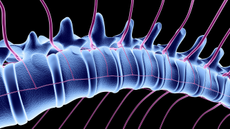 Rare 'spinal stroke' struck an 8-year-old and temporarily paralyzed her
Diagnostic Dilemma When an 8-year-old suddenly lost the ability to walk, doctors ruled out infection and autoimmune disease before uncovering a rare explanation.
Diagnostic Dilemma -
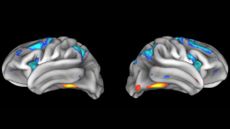 Neuroscience findings often can't be replicated — and it's a big problem for what we know about the brain
Analysis The findings in several foundational brain imaging studies don't hold up in follow-up research.
Analysis -
 What does 'neuroplasticity' mean?
Science word of the day Pronunciation: Nur-roh-pla-STISS'-ih-tee
Science word of the day -
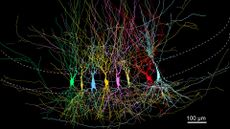 We remember little to nothing of early childhood — and a recent mouse study may help explain why
Early in life, neural networks in the brain's memory center are highly connected, and they are only later refined into precise systems, a mouse study finds.
6 Commentsneuroscience -
 Estrogen levels in both the male and female brain may shape memory's resilience in face of stress
Traumatic experiences can cause memory problems, and estrogen may be a key factor that shapes the brain's resilience against such stressors, a mouse study finds.
neuroscience


