













Psychedelics may treat depression by invading brain cells
A study suggests that psychedelics can access receptors inside cells that standard antidepressants usually can't affect.

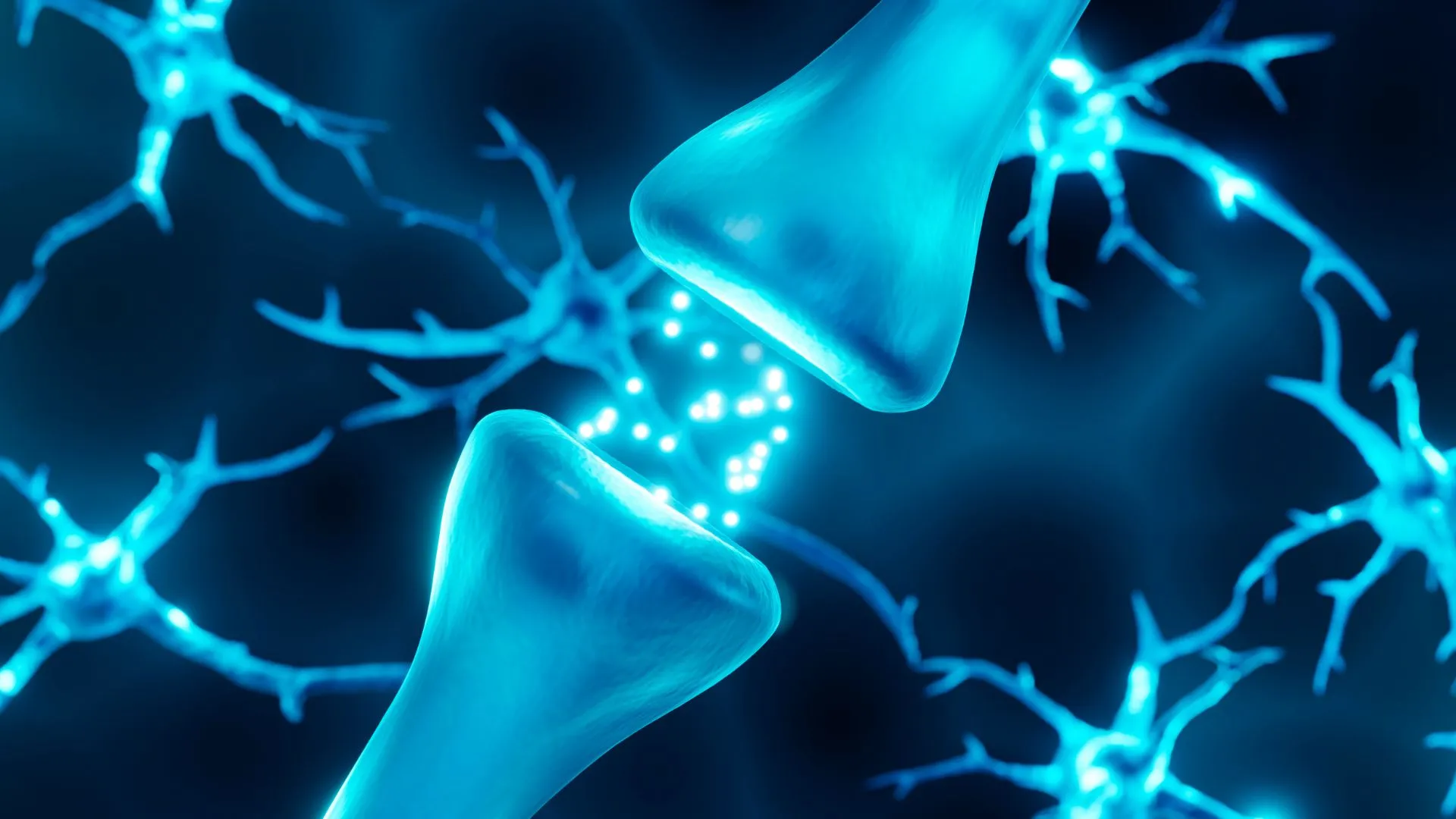
Psychedelic drugs have shown promise as therapies for hard-to-treat depression. Now, scientists have a potential explanation for why: The drugs may be able to slip through the outer membranes of brain cells and essentially flip switches inside the cells that other depression treatments can't.
The findings of the new study, published Feb. 16 in the journal Science, may help explain why, in some cases, psychedelics, in conjunction with talk therapy, work better and faster for patients than traditional antidepressants, The Scientist reported.
Psychedelics include LSD; N,N-Dimethyltryptamine (DMT), found in the psychoactive drink ayahuasca; and psilocybin, the active compound in magic mushrooms. All of these substances are known to plug into a structure called the serotonin 2A receptor, which binds the chemical messenger serotonin. These receptors appear in high concentrations within the brain's wrinkled surface, the cerebral cortex, and they can be found both on the outer surface of brain cells and inside the cells.
Specifically, in cells of the cerebral cortex, the receptors can be found on the cells' surface and clustered around the so-called Golgi body inside the cell, which is responsible for packaging and shipping proteins, the researchers reported.
Related: LSD alters consciousness by breaking down barriers in the brain
Prior research suggests that psychedelics' beneficial effects may stem from their ability to activate serotonin 2A receptors, which, in turn, encourages brain cells to forge new connections with each other. But given that serotonin can also activate these receptors, there was a question as to why psychedelics seem to work differently to traditional antidepressants, senior author David Olson, director of the Institute for Psychedelics and Neurotherapeutics at the University of California, Davis, told The Scientist.
(Antidepressants — including selective serotonin reuptake inhibitors, or SSRIs — typically work by boosting the amount of serotonin in the spaces between brain cells.)
Get the world’s most fascinating discoveries delivered straight to your inbox.
Through various experiments in lab dishes and rodents, Olson's team found that although serotonin binds easily to the receptors on the outsides of brain cells, it can't easily pass through the cells' fatty outer membranes to reach the additional receptors within. Similar to how water and oil don't mix, serotonin can't easily pass through cell membranes because their chemical structures don't jibe.
However, the team found that several psychedelic drugs can slip right through these membranes; that's because they're far less polar than serotonin, meaning they're "greasier" and don't have a positive end and a negative end. Once inside a brain cell, the psychedelics plug into the internal serotonin 2A receptors that serotonin can't reach.
RELATED STORIES
In their experiments, the team found that by tweaking serotonin to make it less polar, they could boost the molecules' ability to build new connections between neurons. This likely happened because the chemical passed through the cells' membranes and activated their internal serotonin receptors, the team hypothesized.
They also showed the opposite effect. When the researchers tweaked DMT and psilocin (which the body produces when it breaks down psilocybin) to make them more polar, they found that these modified drugs were less able to cross the membranes of rat neurons and thus couldn't boost their connectivity.
The team also genetically modified mice so that serotonin could pass into their neurons more easily, and found that the chemical boosted brain connectivity as a psychedelic would, according to The Scientist.
The study cannot completely rule out that serotonin might be able to cross cell membranes, to some degree, The Scientist reported. But the research does hint that psychedelics might treat depression, in part, by triggering effects in the brain that standard antidepressants typically cannot.
The study also raises questions as to why brain cells contain so many receptors that serotonin can't get to — it could be that a different chemical can access the receptors and activate them, or perhaps the receptors only accumulate in the cell temporarily as they're waiting to get shipped to the cell surface, Olson suggested.
Read more in The Scientist.

Nicoletta Lanese is the health channel editor at Live Science and was previously a news editor and staff writer at the site. She is a recipient of the 2026 AHCJ International Health Study Fellowship, with a project focused on antibiotic stewardship practices in Japan and the U.S. They hold a graduate certificate in science communication from UC Santa Cruz and degrees in neuroscience and dance from the University of Florida. Beyond Live Science, Lanese's work has appeared in The Scientist, Science News, the Mercury News, Mongabay and Stanford Medicine Magazine, among other outlets. Based in NYC, she also remains involved in dance and performs in local choreographers' work.