













The brain stores at least 3 copies of every memory
A new study in mice suggests that the brain creates multiple copies of memories, which enables it to regulate how they change over time.

Memories evolve throughout our lifetimes, changing as we learn and experience new things and as we recall a memory repeatedly. And then, memories degrade as we age.
Previously, scientists thought that this malleability was the result of changes in the brain cells that originally encoded the memory, and they believed these cells stored just one copy of every memory in the brain. However, new research suggests that might not be true.
The scientists found that, in rodents, the brain stores at least three copies of a given memory, encoding it in multiple places in the organ.
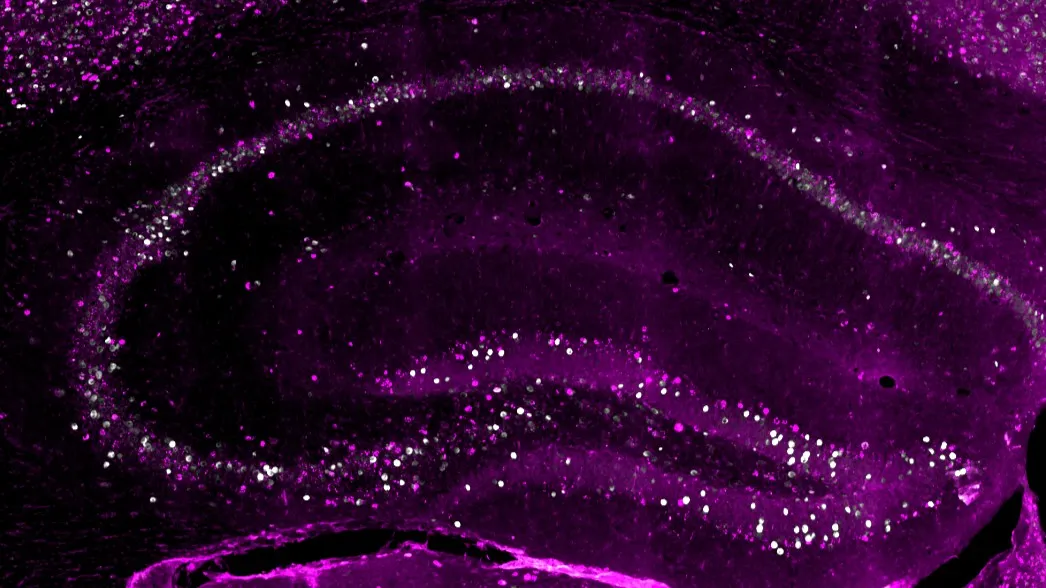
These copies are encoded by different groups of neurons in the hippocampus, a brain region critical for learning and memory. The copies vary in terms of when they're created, how long they last and how modifiable they are through time.
Related: How accurate are our first childhood memories?
In the new study, published Aug. 16 in the journal Science, the scientists showed that, as mice encode new memories, they first create so-called early-born neurons. These neurons are responsible for storing a long-term copy of the memory that is initially weak but becomes stronger over time.
Next comes middle-ground neurons, which are more stable from the outset, followed by late-born neurons that from the beginning encode very strong copies of a memory. However, that strength fades over time.
Get the world’s most fascinating discoveries delivered straight to your inbox.
Researchers uncovered these findings by examining the activity of different groups of neurons in the hippocampus after mice had completed various memory tasks. These tasks involved learning to avoid harmful situations, such as receiving an electric shock to their feet, before being confronted with the same task later on.
The way these three groups of neurons operate on different timescales may help explain how the brain regulates memories over time, the study authors suggested. However, it is still unclear how exactly these neurons interact with each other to facilitate this, study co-author Flavio Donato, an assistant professor of neurobiology at the University of Basel in Switzerland, told Live Science.
Notably, the memories stored by late-born neurons were more plastic, or malleable, than those of early-born neurons, the team found. This suggests that at the start of memory formation — when early-born neurons reign — the information stored remains fairly stable over time, while memories stored later on are more easily warped by new information.
If the same phenomenon happens in humans, this finding could someday lead to the development of new therapies for specific disorders, Donato said. For example, in post-traumatic stress disorder (PTSD), people experience intrusive memories, meaning unwanted, distressing memories of a traumatic event. Perhaps a drug could be designed that preferentially activates late-born neurons, which are more plastic and thus more receptive to psychotherapy, he said.
RELATED STORIES
In the case of people with memory loss due to dementia, meanwhile, another type of drug could stimulate the activity of early-born neurons, whose data is stored more rigidly. Broadly speaking, such treatments would manipulate the properties of a memory by selecting which type of neuron is used to encode it in the brain, Donato explained.
"I feel like we now have biological entry points to modulate the plasticity of memory in a way that might allow us to push it towards being more or less plastic, in order to preserve it or to basically re-write it," Donato said.
Ever wonder why some people build muscle more easily than others or why freckles come out in the sun? Send us your questions about how the human body works to [email protected] with the subject line "Health Desk Q," and you may see your question answered on the website!

Emily is a health news writer based in London, United Kingdom. She holds a bachelor's degree in biology from Durham University and a master's degree in clinical and therapeutic neuroscience from Oxford University. She has worked in science communication, medical writing and as a local news reporter while undertaking NCTJ journalism training with News Associates. In 2018, she was named one of MHP Communications' 30 journalists to watch under 30.