

Sleep is a crucial physiological process that gives the body the opportunity to fully rest and rejuvenate itself. Humans spend around a third of their lives sleeping and yet many of us still fail to regularly catch those precious winks. Sleep deficiency can cause an array of physical and mental health problems, such as heart disease, high blood pressure, diabetes, stroke and depression. Discover what happens in the brain while you sleep, why some people need less sleep than others, whether white noise can help you sleep better and more in our latest articles below.
Discover more about sleep

-
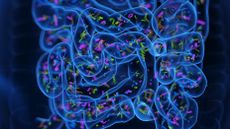 'Poop pills' may ease insomnia by reprogramming the gut microbiome, early study hints
Reprogramming the gut microbiome with fecal microbiota transplants could reduce the amount of time people with insomnia spend awake.
sleep -
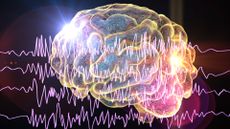 In people with epilepsy, sleeping after a seizure may trigger more seizures
Epileptic seizures alter sleep by prolonging the stage that's central to memory formation, potentially predisposing the brain to "remember" how to trigger subsequent seizures more easily, a small human study suggests.
sleep -
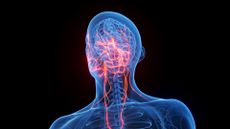 Sleep deprivation harms the gut via the vagus nerve, early study reveals
New research reveals that sleep deprivation sends aberrant signals through the vagus nerve, triggering a serotonin surge that can kill gut stem cells.
3 Commentssleep -
 Are you a night owl or an early bird?
Research suggests night owls may face different health risks than early birds do. Which category do you fit into, if either?
2 Commentssleep -
 Scientists infiltrated volunteers' dreams to boost their creative thinking
A small study hints that you can "trigger" memories of specific puzzles while a person dreams and that the dreamer may be more likely to solve the puzzle the next day.
sleep -
 Do your dreams change as you age?
A young child's dreams and an elderly hospice patient's dreams can be very different. What has research found about how our dreams change over time?
4 Commentssleep -
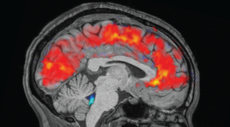 Study reveals why the brain 'zones out' when you're exhausted
Your sleep-deprived brain behaves as if you were about to nod off to sleep, even when you're awake.
sleep -
 'DST just seems so pointless': Poll reveals most Live Science readers want to eliminate daylight saving time
Thousands of Live Science readers responded to our poll asking if they would get rid of daylight saving time.
sleep -
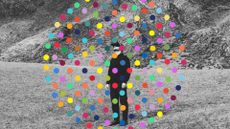 Do people dream in color or black and white?
Whether we report having dreams in color or in black and white may be influenced by the media we watch, or perhaps that simply influences the way we remember them.
12 Commentssleep


