













'First Night' Insomnia: Why You Don't Sleep Well in a New Place

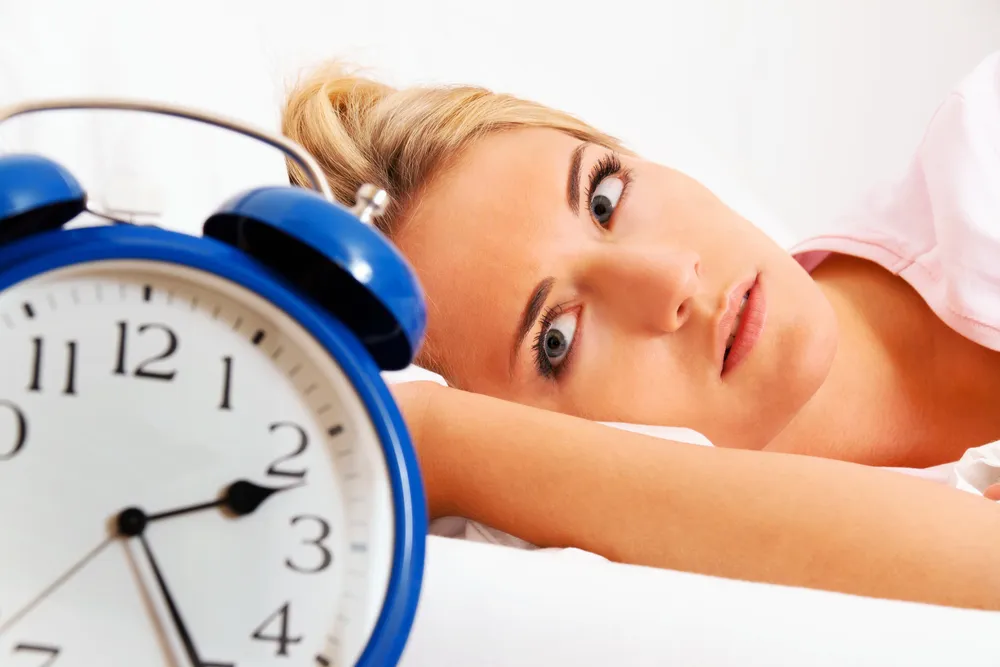
If you've ever had a hard time sleeping on the first night in a new place, a new study may offer you an explanation: One half of your brain stays more awake than the other.
The study involved 35 people who spent several nights in a sleep lab while the researchers monitored their brain activity using advanced brain-imaging techniques. The results showed that during the first night, the left hemisphere of the brain was more active during deep sleep (or "slow-wave sleep") than the right hemisphere.
This difference in brain activity is similar to, though not as drastic as, what is seen in marine mammals that sleep by shutting down just one half of their brain at a time, the researchers said. The findings suggest that "our brains may have a miniature system of what whales and dolphins have," study co-author Yuka Sasaki, an associate professor at Brown University, said in a statement.
The study also found that the greater the difference in brain activity between the two hemispheres, the harder it was for a person to fall asleep.
In addition, when the researchers played bleeping sounds in either the left or right ear, people woke up more easily when the sounds were played in the right ear (which stimulates the left hemisphere). [5 Surprising Sleep Discoveries]
Having one hemisphere remain more "vigilant" than the other may be a survival strategy when humans are in a new environment — the left hemisphere may serve as a "night watch" that wakes the sleeper up if there's danger, the researchers said.
The researchers are planning more studies to better understand this phenomenon, known as the "first night effect," including whether there may be strategies to turn it off to help people sleep better in new environments.
Get the world’s most fascinating discoveries delivered straight to your inbox.
Follow Rachael Rettner @RachaelRettner. Follow Live Science @livescience, Facebook & Google+. Original article on Live Science.

Rachael is a Live Science contributor, and was a former channel editor and senior writer for Live Science between 2010 and 2022. She has a master's degree in journalism from New York University's Science, Health and Environmental Reporting Program. She also holds a B.S. in molecular biology and an M.S. in biology from the University of California, San Diego. Her work has appeared in Scienceline, The Washington Post and Scientific American.