













Pot Smokers Who Feel Down Light Up

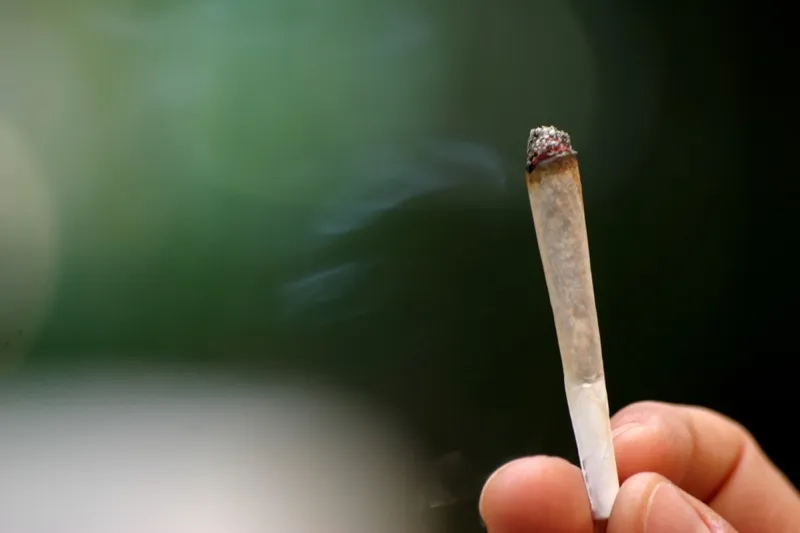
People who smoke marijuana on a daily or weekly basis may use the drug to cope with negative emotions, such as distress and irritability, a new small study suggests.
The study involved 40 teens and young adults who smoked marijuana an average of 10 times a week. Participants were given a Personal Digital Assistant (PDA), which prompted them at random times to complete a survey asking about their mood (such as whether they were feeling alert, inspired, determined, distressed, upset or irritable).
The results revealed that participants experienced an increase in negative emotions 24 hours before they used marijuana, compared with other times. But there was no change in positive feelings before marijuana use.
The findings indicate that regulation of negative emotions "may be a crucial reason that youth use marijuana frequently," the researchers wrote in the September issue of the Journal of Studies on Alcohol and Drugs. [Trippy Tales: The History of 8 Hallucinogens]
Using marijuana to cope with negative emotions may make it harder for users to quit the drug, said study researcher Dr. Lydia Shrier, of the division of adolescent and young-adult medicine at Boston Children's Hospital. Other studies have found that people who try to quit smoking marijuana report an increase in anxiety and irritability during that time.
"Marijuana use can be associated with anxiety and other negative states," Shrier said in a statement. "People feel bad, they use and they might momentarily feel better, but then they feel worse. They don't necessarily link feeling bad after using with the use itself, so it can become a vicious circle."
The findings suggest that, to treat marijuana use disorders, it may be beneficial to find alternative mood-regulation strategies to replace marijuana use, the researchers said.
Get the world’s most fascinating discoveries delivered straight to your inbox.
Although participants responded to about 70 percent of the random surveys on their PDAs, it's possible that a nonresponse could have been related to their mood, which may have affected the study results, the researchers said.
Future research is needed to investigate whether specific negative emotions are more likely to precede marijuana use, the researchers said.
Follow Rachael Rettner @RachaelRettner. Follow Live Science @livescience, Facebook & Google+. Original article on Live Science.

Rachael is a Live Science contributor, and was a former channel editor and senior writer for Live Science between 2010 and 2022. She has a master's degree in journalism from New York University's Science, Health and Environmental Reporting Program. She also holds a B.S. in molecular biology and an M.S. in biology from the University of California, San Diego. Her work has appeared in Scienceline, The Washington Post and Scientific American.