













Mindfulness Meditation May Reduce Anxiety, Depression

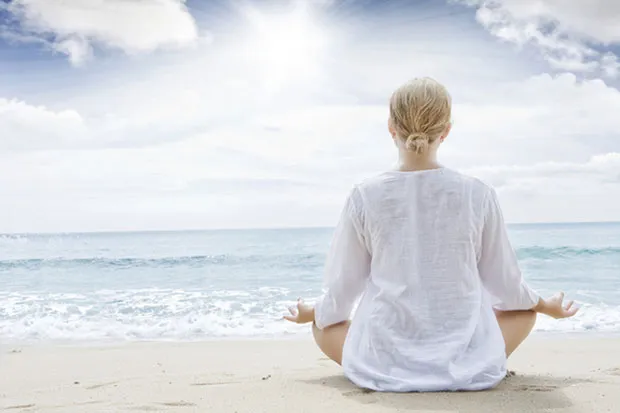
Mediation programs may help reduce anxiety, depression and pain in some patients, but may not lead to a boost in positive feelings or overall health, according to a new review study.
The review analyzed information from 47 previously published studies with a total of 3,515 participants. Each study included a group that participated in meditation (usually for a few weeks or months), as well as a control group that participated in another activity that required similar time and effort, such as learning about nutrition or performing another type of exercise.
Most participants had a mental health condition (such as anxiety or depression) or a physical health condition (such as lower back pain or heart disease.) [Mind Games: 7 Reasons You Should Meditate]
Participants who practiced mindfulness meditation for about eight weeks to six months showed small but meaningful reductions in anxiety, depression and pain. Mindfulness meditation is a form of meditation in which people learn to pay attention to what they are feeling physically and mentally from moment to moment.
Most of the improvements in pain occurred among participants who had visceral pain (pain in internal organs). Meditation programs were not more effective than exercise or cognitive-behavioral group therapy at reducing anxiety, depression and pain, the review said.
In addition, the researchers found little to no evidence that meditation affected positive mood, attention, sleep, weight or overall health. Researchers also found little evidence that meditation reduced stress.
Nine of the studies looked at whether meditation could be harmful, finding no evidence of harm.
Get the world’s most fascinating discoveries delivered straight to your inbox.
More studies with better designs are needed to clarify whether meditation can affect positive dimensions of mental health (such as positive mood) or stress-related behaviors (such as substance abuse), the researchers said. Studies should also better document how long participants practiced meditation and whether they practiced it at home, the researchers said. Studies should also be conducted over longer periods.
"Despite the limitations of the literature, the evidence suggests that mindfulness meditation programs could help reduce anxiety, depression and pain in some clinical populations," the researchers, from Johns Hopkins University, wrote in the Jan. 6 issue of the journal JAMA Internal Medicine. "Thus, clinicians should be prepared to talk with their patients about the role that a meditation program could have in addressing psychological stress."
Follow Rachael Rettner@RachaelRettner. Follow LiveScience @livescience, Facebook & Google+. Original article on LiveScience.

Rachael is a Live Science contributor, and was a former channel editor and senior writer for Live Science between 2010 and 2022. She has a master's degree in journalism from New York University's Science, Health and Environmental Reporting Program. She also holds a B.S. in molecular biology and an M.S. in biology from the University of California, San Diego. Her work has appeared in Scienceline, The Washington Post and Scientific American.