













Swine Flu Found in Elephant Seals

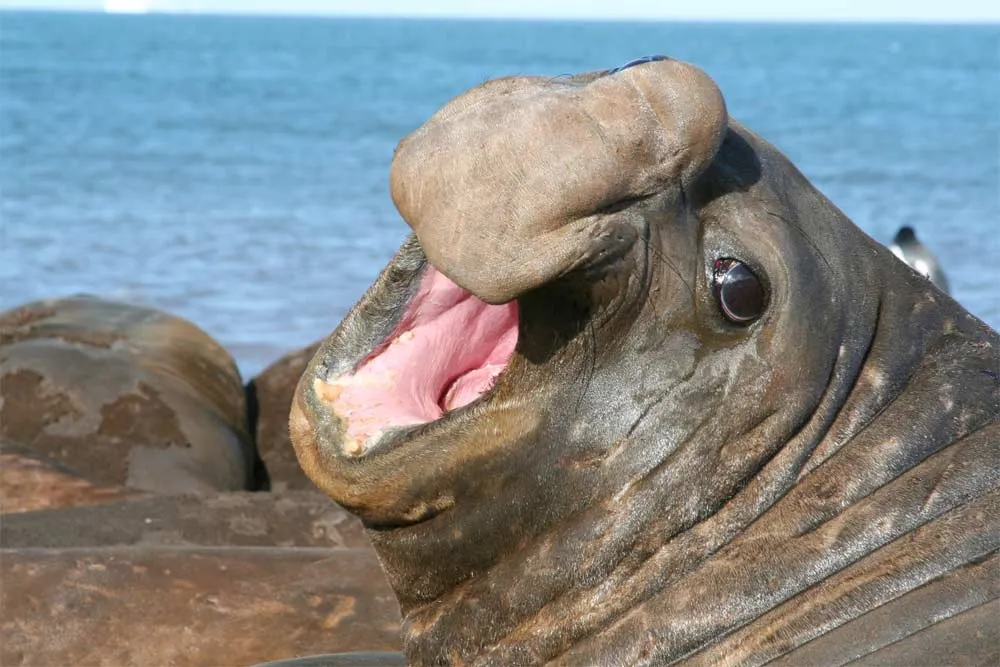
The H1N1 virus strain that caused a 2009 swine flu outbreak in humans was detected in northern elephant seals off the coast of central California.
Scientists say this is the first time marine mammals have been found to carry the H1N1 flu strain, which originated in pigs. The seals seem to have picked up the virus while at sea, but it's unclear how this happened.
"We thought we might find influenza viruses, which have been found before in marine mammals, but we did not expect to find pandemic H1N1," Tracey Goldstein, an associate professor with the UC Davis One Health Institute and Wildlife Health Center, said in a statement. [10 Deadly Diseases That Hopped Across Species]
"H1N1 was circulating in humans in 2009," Goldstein added. "The seals on land in early 2010 tested negative before they went to sea, but when they returned from sea in spring 2010, they tested positive. So the question is where did it come from?"
Contact with humans carrying the virus is unlikely when the elephant seals are at sea, because the creatures spend most of their time looking for food in a remote part of the northeast Pacific Ocean off the continental shelf.
Exposure could have occurred through feces dumped out of shipping vessels passing through this area. The researchers noted in their report in the journal PLOS ONE this week that H1N1 has been detected in stool samples of hospital patients. Another possible avenue of transmission might have been contact with aquatic birds, thought to be reservoirs for other flu viruses, the researchers say.
Goldstein and colleagues tested nasal swabs from more than 900 Pacific marine mammals from 10 different species from Alaska to California between 2009 and 2011. The elephant seals that were studied had been satellite tagged and tracked so that researchers could tell where they had been before and after they were tested for disease.
Get the world’s most fascinating discoveries delivered straight to your inbox.
H1N1 was detected in two northern elephant seals within days of their return to land after they went out to sea to forage for a few months. Antibodies to the virus were found in another 28 elephant seals. None of the seals had any signs of illness, which means marine mammals can be infected with zoonotic pathogens but be asymptomatic, the researchers said.
The report recommends that people working with and around marine mammals need to take proper biosafety precautions to prevent exposure to diseases that could be quite harmful in humans, even if they don't cause illness in seals.
The new research on marine mammals is part of an effort to understand emerging viruses in animals and people by the Centers of Excellence in Influenza Research and Surveillance program, funded by the National Institutes of Health.
"The study of influenza virus infections in unusual hosts, such as elephant seals, is likely to provide us with clues to understand the ability of influenza virus to jump from one host to another and initiate pandemics," Adolfo Garcia-Sastre, a professor of microbiology, said in a statement. Garcia-Sastre directs of the Global Health and Emerging Pathogens Institute at the Icahn School of Medicine, which collaborated with the team from UC Davis on the study.
Follow Megan Gannon on Twitter and Google+. Follow us @livescience, Facebook & Google+. Original article on Live Science.
